





 EN
15.3.3 - Integration of Local Biodiversity into University Planning and Development Processes
Bahçeşehir University (BAU) integrates the protection of local biodiversity into the planning, design and development of its facilities and surrounding landscapes.
The following examples illustrate how existing trees, native vegetation, natural habitats and local ecological characteristics inform building placement, architectural design and land-use decisions. Across University campuses, agricultural facilities and tourism developments, BAU prioritizes retaining existing vegetation, minimizing ecological disturbance and adapting infrastructure to the characteristics of each site.
The Bahçeşehir University Policy on the Integration of Local Biodiversity into Planning and Development, presented below, sets out the institutional principles, responsibilities and procedures supporting this approach, from site selection and design to construction, landscape management and monitoring.
1- Biodiversity-Sensitive Campus Planning and Preservation of Existing Tree Cover at BAU Future Campus
Bahçeşehir University (BAU) demonstrates its commitment to integrating local biodiversity into institutional planning and development through the design and spatial organization of BAU Future Campus, where the preservation of existing trees and natural vegetation was a central consideration in the campus development process.
Preserving Existing Trees Through Strategic Building Placement
During the planning and development of the campus, particular attention was given to protecting the site's established tree cover and minimizing disturbance to its existing green landscape.
Campus buildings were strategically positioned within suitable spaces between existing trees and vegetation, preserving densely wooded areas and minimizing vegetation clearance during construction. Areas characterized by higher concentrations of mature trees were deliberately excluded from intensive construction, allowing substantial portions of the original green landscape to remain undisturbed.
Existing trees were retained and protected as part of the development approach, with the campus layout designed to accommodate the natural characteristics of the land while minimizing vegetation removal.
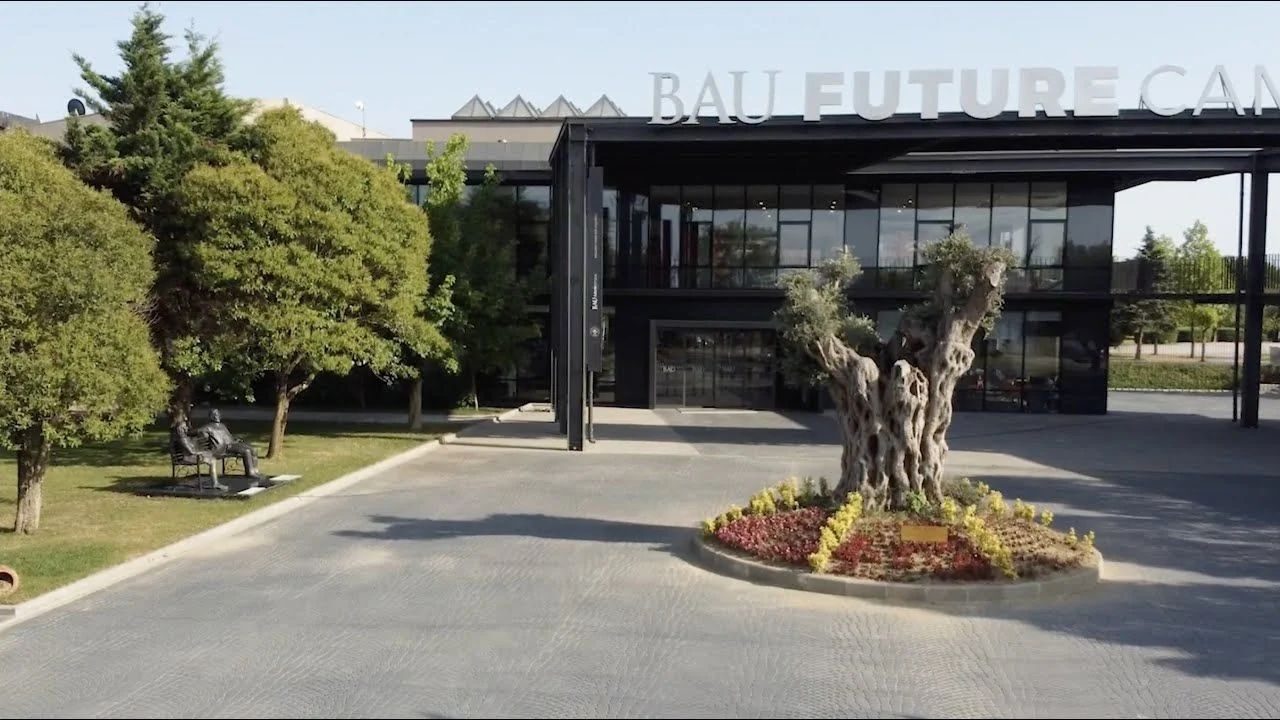
As part of the campus planning and development process, particular attention was given to the preservation of a historic olive tree located on the site. The tree was placed under protection and retained in its original location, with the surrounding development planned to safeguard its continued existence. This initiative demonstrates BAU's commitment to protecting mature trees of ecological and cultural significance and integrating the conservation of existing natural assets into campus development decisions (see the picture of it below).
This approach demonstrates how the conservation of existing vegetation directly influenced land-use decisions, building locations and the overall spatial organization of the campus.
Protecting Green Spaces and Supporting Ecological Continuity
The preservation of established trees and densely vegetated areas also contributes to maintaining the ecological character of the campus environment.
Existing tree cover and vegetation provide important environmental functions, including habitat opportunities for birds, insects and other local wildlife, as well as soil protection, shade and the continuity of green spaces.
By concentrating built development in selected areas while retaining substantial vegetated spaces, BAU Future Campus seeks to reduce the fragmentation of existing green areas and maintain their relationship with the surrounding landscape.
Importantly, the campus's green environment is not solely the result of landscaping introduced after construction. The protection and retention of pre-existing trees formed part of the original planning and development decisions, demonstrating an approach in which biodiversity considerations informed the physical development of the site.
Integrating Biodiversity into University Infrastructure Development
BAU Future Campus illustrates how university infrastructure can be developed while prioritizing the preservation of existing natural features.
The campus development approach incorporates interconnected environmental considerations: avoiding unnecessary tree removal, protecting densely wooded areas, adapting building locations to the existing vegetation and retaining substantial green spaces within the overall site layout.
These decisions reflect an understanding that responsible campus development involves not only the construction of educational facilities but also the conservation of the ecological characteristics of the land on which they are established.
Through this approach, Bahçeşehir University demonstrates the practical integration of local biodiversity considerations into campus planning and development, supporting SDG 15: Life on Land and the sustainable management of terrestrial environments.
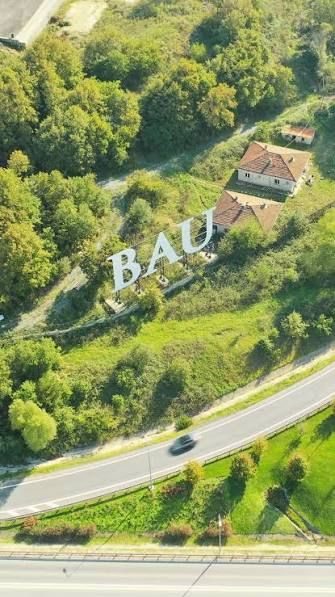
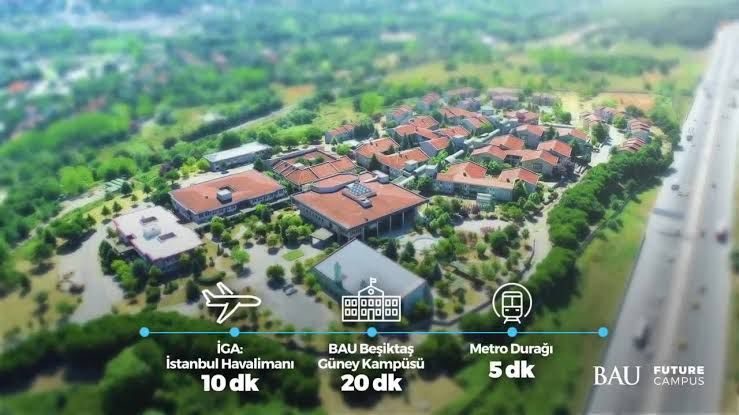
The photographs below document BAU Future Campus's biodiversity-sensitive planning and development approach, illustrating the preservation of existing trees and densely vegetated areas, the integration of campus buildings into the natural landscape, and the protection of a historic olive tree retained in its original location. Together, these images demonstrate how the conservation of existing vegetation and natural assets informed campus planning, building placement and development decisions.
2- Integrating Local Biodiversity into Planning and Development: BAU Farm, Giresun
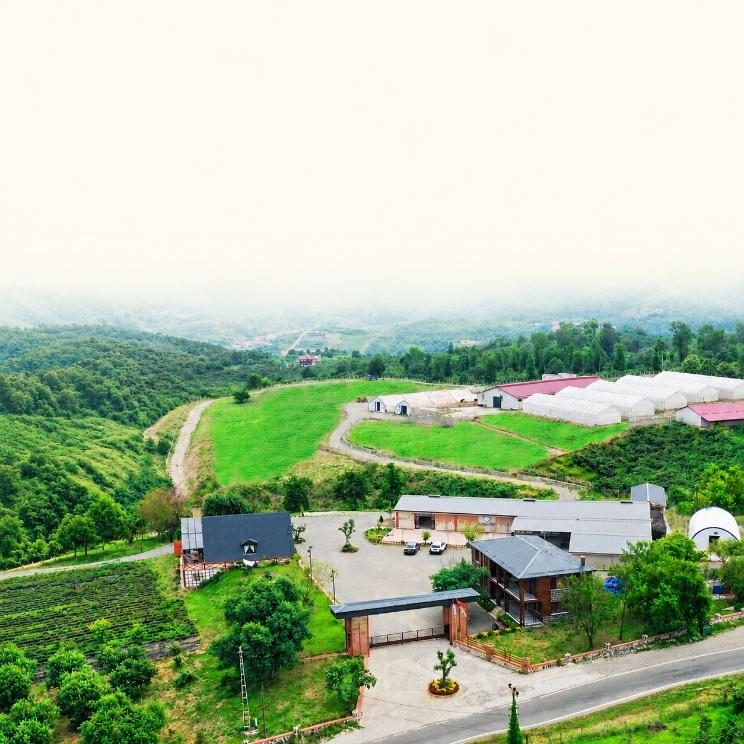
Bahçeşehir University's BAU Farm, located in Giresun in Türkiye's Black Sea region, demonstrates how local biodiversity conservation can be integrated into land-use planning, architectural design, landscape management and the development of educational and agricultural facilities.
Developed as a multidisciplinary environment for sustainable agriculture, experiential learning and environmental education, BAU Farm reflects an approach to development that respects the ecological characteristics of its surrounding landscape. The project's planning philosophy prioritizes adapting buildings, facilities and outdoor spaces to the existing landscape, with an emphasis on preserving its vegetation, agricultural character and ecological continuity.
Biodiversity-Conscious Site Planning and Preservation of Existing Vegetation
A central consideration in the planning and development of BAU Farm was the protection of the site's existing natural and agricultural landscape.
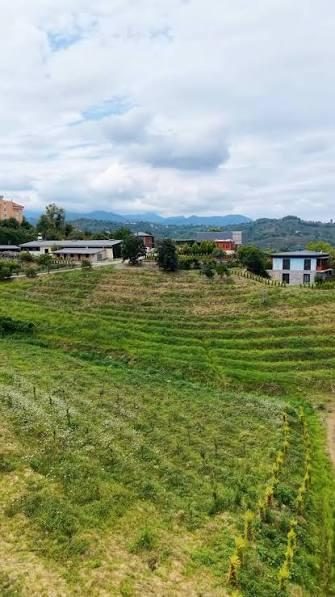
The positioning of buildings, outdoor facilities and recreational spaces was determined with particular attention to avoiding the removal of existing trees, preserving established hazelnut orchards and minimizing disturbance to naturally occurring vegetation.
These considerations directly influenced decisions concerning the location, scale and spatial arrangement of built structures. The development approach sought to accommodate existing vegetation and maintain the relationship between cultivated land, green spaces and the surrounding natural environment, minimizing vegetation clearance during construction.
By incorporating the preservation of trees, agricultural vegetation and natural landscape features into site planning, BAU Farm demonstrates how local biodiversity considerations can inform development decisions from the outset.
Nature-Sensitive Architecture: Tiny Houses and Wooden Outdoor Facilities
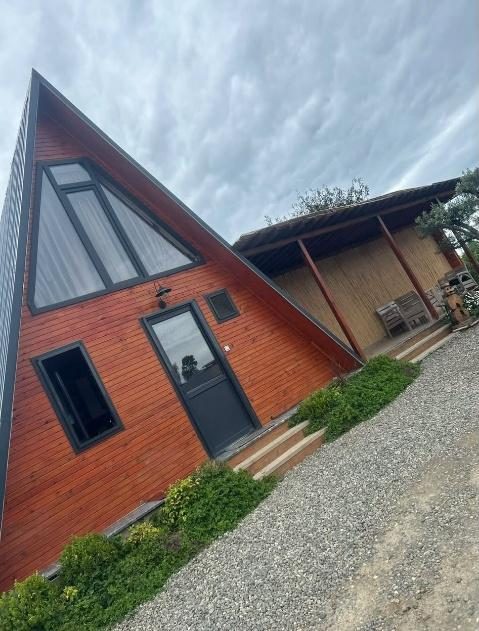
The architectural design of BAU Farm further reflects its commitment to environmentally sensitive development through small-scale tiny house structures, wooden architectural elements and minimalist outdoor facilities.
The tiny houses are designed to maintain a modest physical and visual presence within the landscape. Their small scale and wooden construction complement the rural character of the site, supporting an architectural approach that respects the surrounding vegetation and natural setting.
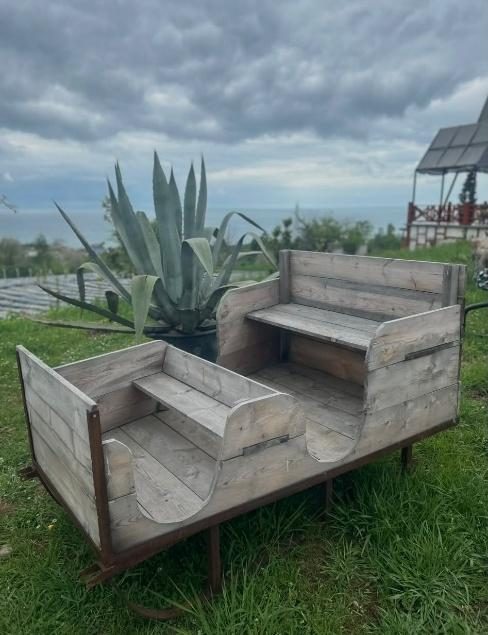
The same design philosophy extends to the farm's outdoor communal areas, where wooden benches and seating arrangements provide spaces for learning, interaction and recreation while maintaining visual harmony with the natural environment.
These modest facilities allow educational and social activities to take place within the existing green landscape, maintaining the site's natural character and limiting the need for extensive built recreational spaces.
Together, the tiny houses, wooden seating areas and carefully positioned outdoor facilities illustrate how architectural scale, material selection and spatial planning can support the integration of human activities into a biodiverse rural environment.
Respecting Local Flora, Natural Habitats and Ecological Continuity
The planning and development of BAU Farm also reflect a commitment to respecting the distinctive flora and ecological characteristics of Giresun's Black Sea landscape.
The region is characterized by a combination of hazelnut orchards, native trees, woodland shrubs and understory vegetation. Characteristic regional flora includes rhododendrons, cherry laurel, ferns and other naturally occurring plant communities that contribute to the ecological diversity of the Black Sea environment.
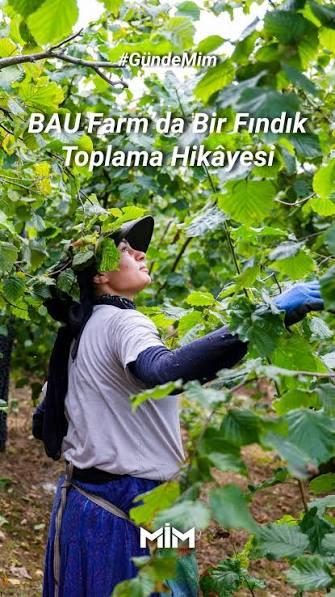
At BAU Farm, particular attention was given to preserving existing trees and established hazelnut orchards, retaining naturally occurring vegetation and minimizing unnecessary disturbance to the surrounding landscape.
The development approach emphasizes the continuity of established plant cover and the preservation of the site's natural character, prioritizing existing vegetation in landscape planning and management.
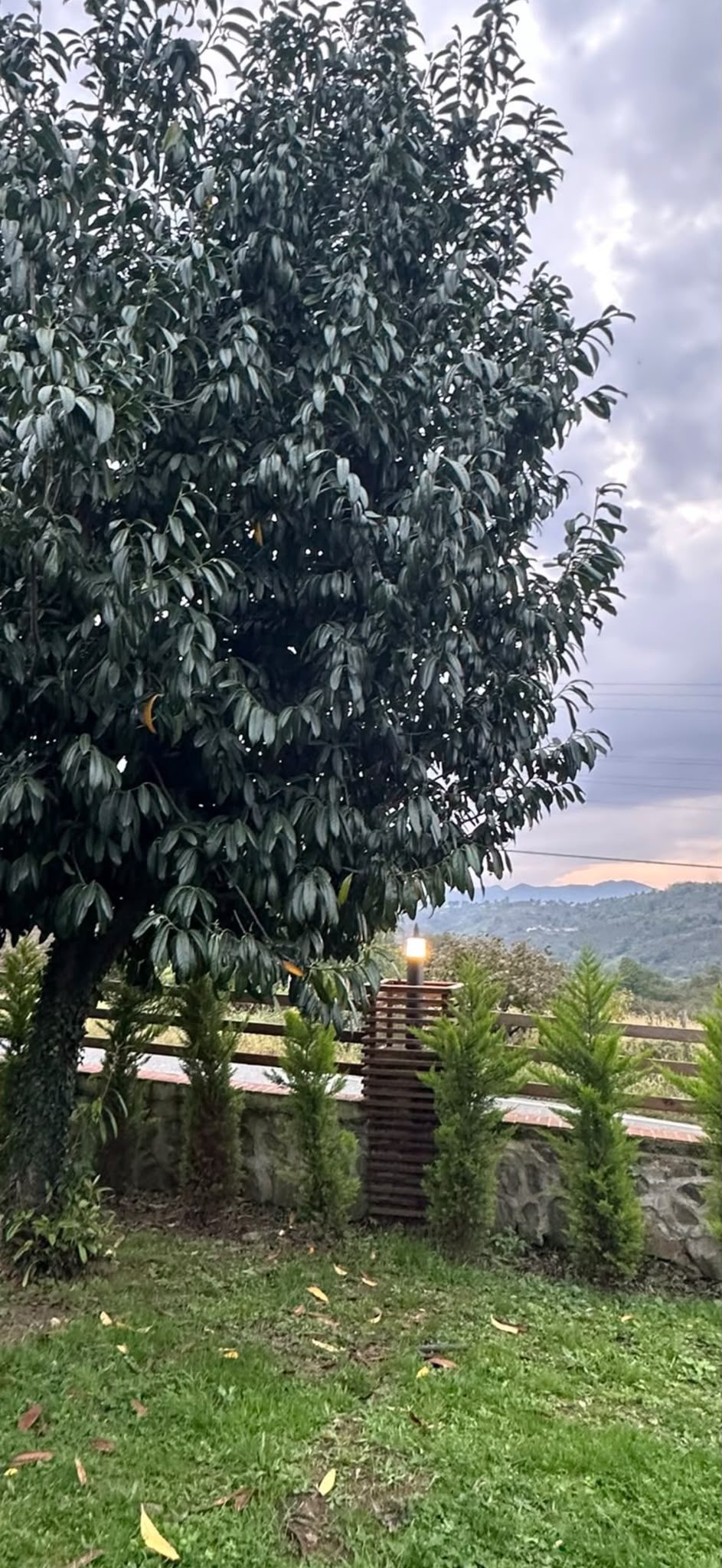
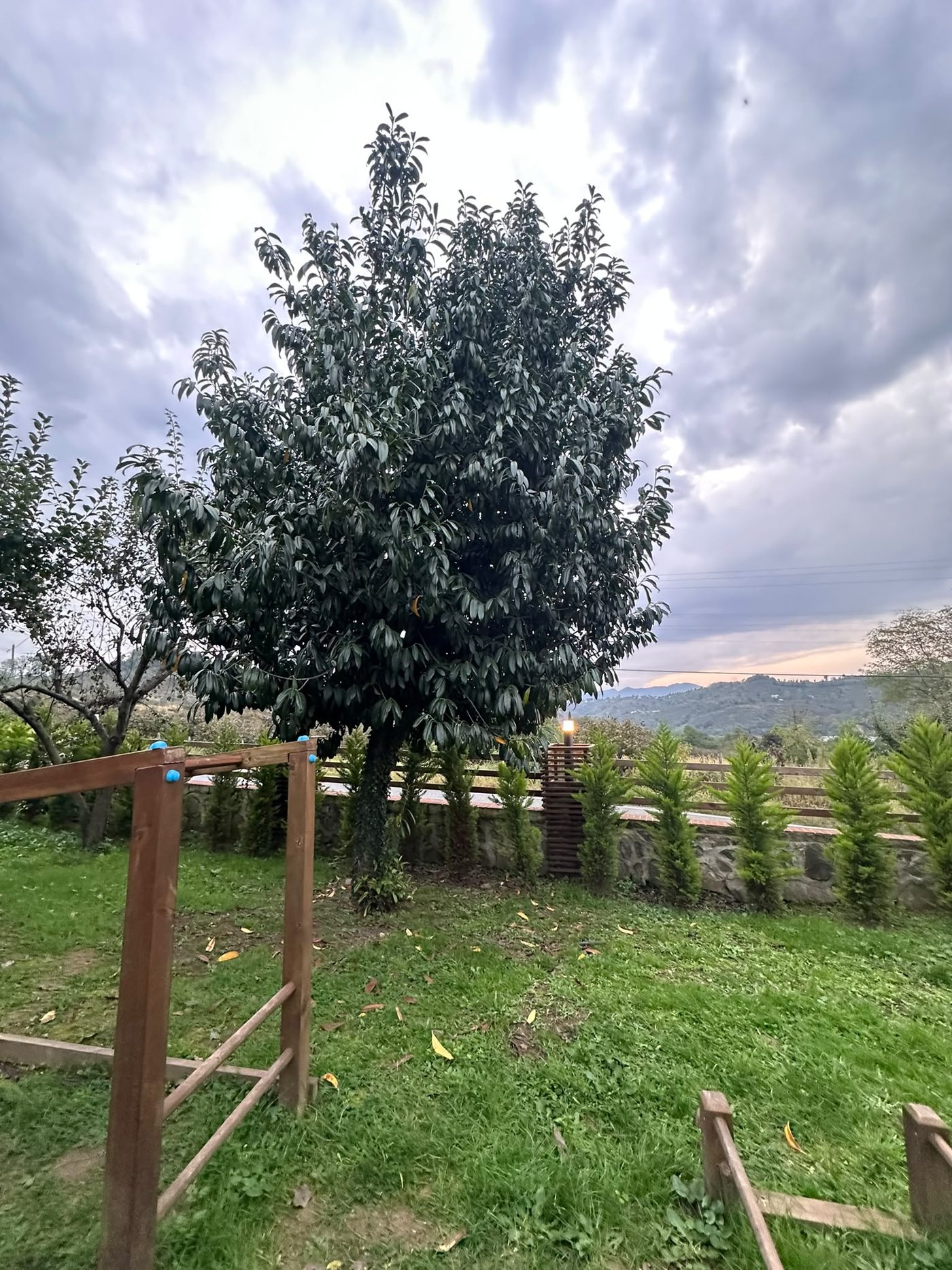
Particular attention was also given to the preservation of cherry laurel (Prunus laurocerasus), locally known as taflan, a native species characteristic of the Black Sea region. Existing taflan trees and shrubs on the BAU Farm site were retained and protected during development, with building placement and landscape arrangements designed to respect their natural locations. By conserving these established native plants alongside existing trees and hazelnut orchards, BAU Farm demonstrates how the protection of local flora was incorporated into land-use planning and development decisions, helping maintain the site's ecological character and natural vegetation.
This approach recognizes that biodiversity conservation extends beyond individual trees to the ecological relationships among vegetation, soil, insects, birds and other wildlife. Maintaining existing green spaces and limiting vegetation clearance helps preserve the habitat conditions upon which local biodiversity depends.
By respecting the natural composition of the landscape, BAU Farm incorporates ecological considerations into decisions concerning building placement, outdoor space development and land management.
Preservation of Hazelnut Orchards and Regional Agricultural Biodiversity
The preservation of existing hazelnut orchards represents another important component of BAU Farm's biodiversity-conscious development approach.
Hazelnut cultivation is deeply connected to Giresun's regional identity, agricultural heritage and landscape character. Established orchards represent not only productive agricultural areas but also longstanding elements of the region's cultivated environment.
BAU Farm's development approach prioritizes the preservation of existing hazelnut orchards and their integration into the overall site layout alongside new structures.
This decision supports the continuity of existing agricultural land use while maintaining vegetated areas that contribute to the site's ecological character.
The farm's educational and sustainable agricultural activities further promote awareness of responsible land management, soil health, agricultural biodiversity and the relationship between productive landscapes and environmental conservation.
Through this approach, BAU Farm connects the preservation of regional agricultural heritage with broader principles of sustainable land use and biodiversity protection.
Integrating Biodiversity into Institutional Planning and Development
BAU Farm provides a practical example of how environmental considerations can influence decisions concerning institutional facilities, land use and landscape development.
The project's planning approach incorporates several interconnected priorities: preserving existing trees and hazelnut orchards, minimizing disturbance to natural vegetation, positioning buildings in accordance with existing landscape features, adopting small-scale wooden structures and maintaining outdoor communal spaces that complement the surrounding environment.
Importantly, biodiversity conservation is considered from the planning and design stages and integrated throughout the development process.
This approach demonstrates how educational and agricultural infrastructure can be developed while respecting the ecological characteristics of the site and maintaining the continuity of existing natural and cultivated landscapes.
BAU Farm therefore provides supporting evidence of Bahçeşehir University's commitment to incorporating local biodiversity into planning and development processes, contributing directly to SDG 15: Life on Land, particularly the conservation and sustainable use of terrestrial ecosystems.
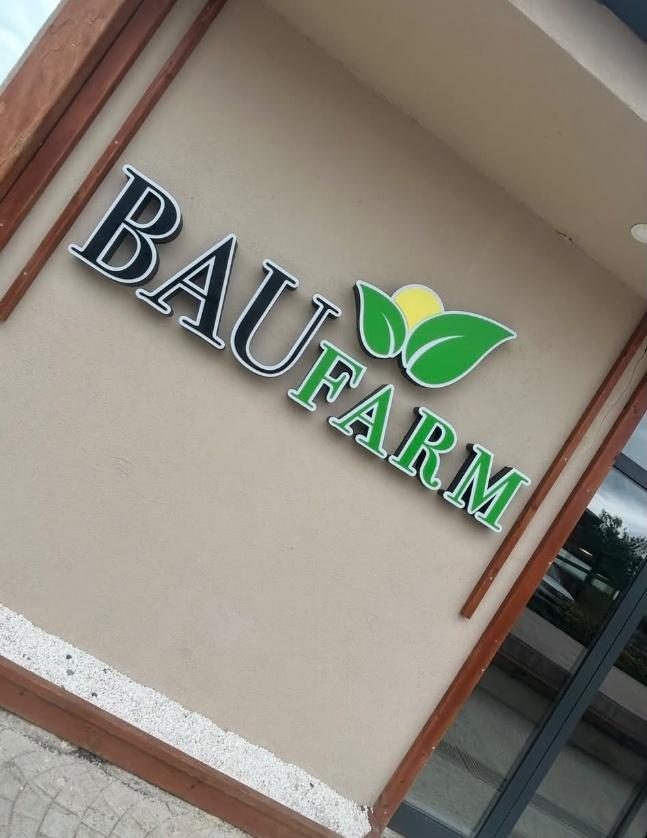
The photographs below illustrate BAU Farm's nature-sensitive development approach, including its minimalist tiny house structures designed in harmony with the surrounding landscape, the preservation of existing hazelnut trees and the protection of native taflan (Prunus laurocerasus) trees. Together, these images demonstrate how respect for local biodiversity and existing vegetation has been integrated into the farm's planning, architectural design and land management.
3- Integrating Local Biodiversity into Tourism Facility Development: Bahçeşehir University’s Zifin Hotel
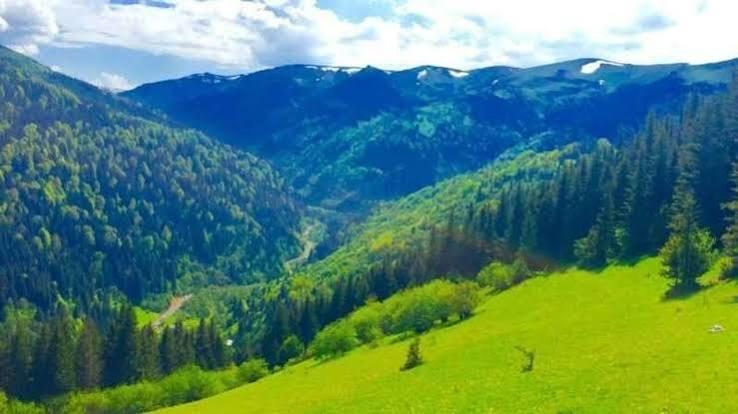
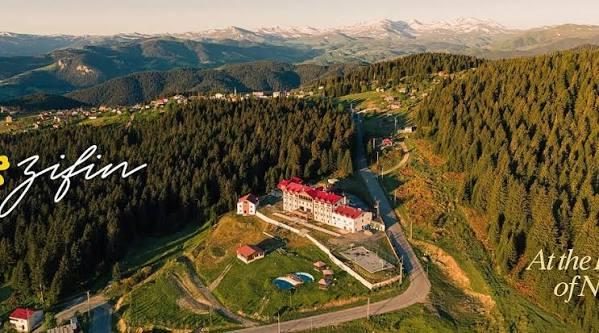
Bahçeşehir University’s (BAU) Zifin Hotel, located on the Kulakkaya Plateau, provides an example of incorporating local vegetation and landscape characteristics into the development and management of a University tourism facility. Situated in the forested highlands of Türkiye’s Eastern Black Sea region, the hotel’s development approach prioritizes retaining the surrounding vegetation and accommodating tourism facilities within the existing natural setting.
Preserving Existing Vegetation in Site Development
The preservation of existing vegetation formed a consideration in the positioning of accommodation units and the arrangement of outdoor spaces. Development decisions sought to limit vegetation clearance and retain green areas around the facilities, maintaining the relationship between built spaces and the surrounding highland landscape.
This approach connected site planning with the protection of the vegetation and habitat conditions supporting local biodiversity. Retaining existing plant cover helped avoid unnecessary alteration of the site’s ecological character while accommodating hospitality activities within the landscape.
Building Placement and Architectural Scale
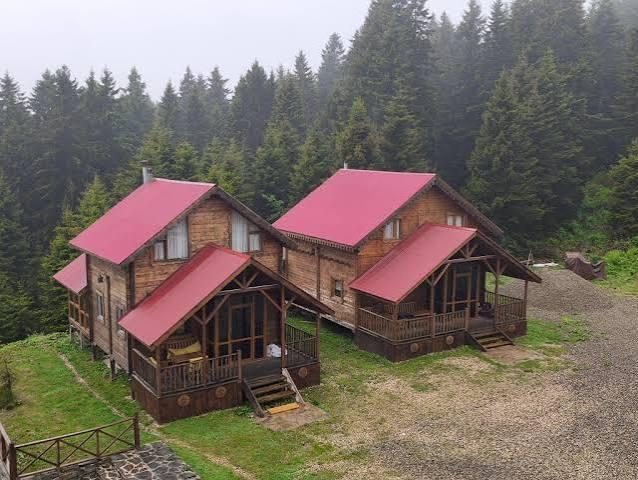
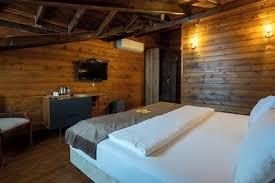
Small-scale accommodation structures, including tiny houses, were incorporated into the site with attention to the surrounding terrain and vegetation. Building placement and the arrangement of outdoor areas sought to reduce unnecessary disturbance and preserve the continuity of existing green spaces.
Wooden architectural elements and a design drawing on regional building traditions complemented this planning approach. Their contribution lies in supporting landscape compatibility; the principal biodiversity consideration remains the retention of existing vegetation and the limitation of disturbance associated with development.
Respecting Local Flora and Highland Habitats
The hotel takes its name from the zifin flower, reflecting its connection with the botanical heritage of the Eastern Black Sea highlands. The surrounding forests and highland vegetation provide the ecological setting within which the facility operates.
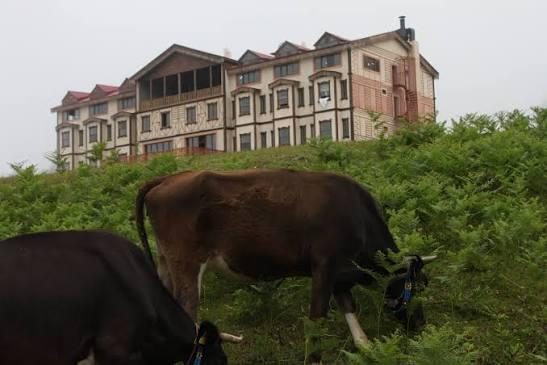
The development approach emphasized preserving natural vegetation around the property. Green spaces around the hotel also continue to accommodate grazing animals, reflecting the site’s relationship with traditional highland land use. This continuity of use complements the landscape approach, while the protection of local biodiversity depends on maintaining vegetation and avoiding unnecessary habitat disturbance.
Zifin Hotel’s wider environmental approach includes replacing coal-based heating with a biomass pellet system and promoting regional gastronomy and locally sourced products. These operational measures complement the facility’s landscape-sensitive development approach.
The hotel has also hosted University sustainability activities, including the Kulakkaya Green Growth and Sustainable Development Summit and the Kulakkaya Climate Summit, with contributions from CIFAL Istanbul and UNITAR. These events provide opportunities to connect the management of a tourism facility with academic and stakeholder discussions on environmental responsibility and regional development.
Through Zifin Hotel, BAU extends biodiversity considerations to its hospitality facilities by linking site development with the retention of existing vegetation, the positioning of small-scale structures and the care of surrounding green spaces. The example illustrates how local environmental characteristics can inform planning and development decisions within a highland tourism setting.
The photographs below illustrate Bahçeşehir University’s Zifin Hotel's nature-sensitive development approach, including its tiny house structures, the hotel's integration into the natural highland landscape of Kulakkaya Plateau, the preservation of surrounding vegetation, and animals grazing freely in the green spaces around the property. Together, these images demonstrate the coexistence of sustainable tourism facilities with the region's natural landscape, local biodiversity and traditional highland life.
4- BAHÇEŞEHİR UNIVERSITY POLICY ON THE INTEGRATION OF LOCAL BIODIVERSITY INTO PLANNING AND DEVELOPMENT
Policy Date: 2022
Policy Update: 2024
Review Cycle: Every two years, or earlier if
required
Scope: University-wide
1. Purpose
Bahçeşehir University (BAU) recognizes the conservation of local biodiversity as an essential consideration in responsible institutional planning, land use and infrastructure development.
The purpose of this policy is to ensure that the protection of existing vegetation, native plant species, natural habitats and ecological characteristics is integrated into the planning, design, construction, renovation and management of University facilities and associated developments.
The policy establishes an institutional framework for minimizing ecological disturbance, preserving natural assets and promoting development approaches that respect the biodiversity of the surrounding environment.
2. Scope
This policy applies to planning and development activities undertaken or commissioned by Bahçeşehir University, including:
Construction of new buildings and educational facilities.
Expansion, renovation and redevelopment of existing infrastructure.
Campus master planning and land-use decisions.
Development and management of agricultural, recreational and outdoor learning spaces.
Landscape design, planting and green space management.
Development of accommodation, hospitality and other facilities within the University's institutional operations.
Infrastructure projects involving roads, pathways, utilities and outdoor installations.
The policy applies to relevant University units, project planners, designers, contractors and other parties undertaking development activities on behalf of the University.
3. Fundamental Principles
Bahçeşehir University's approach to biodiversity-sensitive planning and development is guided by the following principles:
3.1. Biodiversity Integration
Local biodiversity and ecological characteristics form part of planning and development considerations from the earliest stages.
3.2. Conservation First
The preservation of existing trees, native vegetation and natural habitats takes priority over their removal or replacement wherever feasible.
3.3. Minimum Environmental Disturbance
Development activities are planned to minimize vegetation clearance, habitat fragmentation, soil disturbance and unnecessary alteration of natural landscapes.
3.4. Landscape Compatibility
Building placement, architectural scale, material selection and outdoor facilities are planned with consideration for the ecological and physical characteristics of their surroundings.
3.5. Ecological Continuity
Planning decisions seek to maintain connected green spaces, existing vegetation and conditions that support local wildlife.
3.6. Sustainable Land Use
Institutional development balances educational, operational and infrastructure requirements with the long-term conservation of terrestrial ecosystems.
4. Biodiversity Considerations in Site Selection and Land-Use Planning
Assessment of the existing environmental characteristics of a proposed site forms part of the planning process before new construction or significant development.
Planning considerations include, where relevant:
The presence and distribution of existing trees and mature vegetation.
Native plant species and naturally occurring vegetation communities.
Existing agricultural landscapes, orchards and cultivated green areas.
Areas of dense tree cover or ecological sensitivity.
Natural habitats and areas used by local wildlife.
Soil characteristics, topography and existing green space connectivity.
Where feasible, building locations and development boundaries are determined to avoid unnecessary disturbance to these features.
Areas containing established trees, significant vegetation or sensitive habitats receive priority for conservation when alternative building locations and site layouts are evaluated.
5. Protection of Existing Trees and Native Vegetation
The University prioritizes the retention and protection of existing trees, native plants and established vegetation during planning and construction activities.
Measures may include:
Positioning buildings and infrastructure to accommodate and preserve existing trees.
Preserving mature, historic or ecologically significant trees in their original locations.
Establishing appropriate protection zones around trees during construction.
Avoiding unnecessary removal of native shrubs, understory plants and natural ground cover.
Retaining existing orchards and agricultural vegetation where compatible with the intended land use.
Minimizing disturbance to root systems, surrounding soils and vegetation during excavation and infrastructure installation.
Where vegetation removal cannot reasonably be avoided, the responsible units assess measures to minimize ecological impacts and, where appropriate, restore affected areas using suitable native or locally adapted plant species.
6. Biodiversity-Sensitive Architectural Design and Construction
The University promotes architectural and construction approaches that respect the natural characteristics of development sites.
Relevant considerations include:
6.1. Building Placement
Locating structures in areas that minimize the removal of existing trees and disruption of natural vegetation.
6.2. Building Scale
Considering appropriately scaled buildings and facilities to limit unnecessary land disturbance and landscape fragmentation.
6.3. Material Selection
Evaluating environmentally responsible construction materials, including sustainably sourced wood and other materials appropriate to the local setting.
6.4. Outdoor Infrastructure
Designing pathways, seating areas, recreational facilities and other outdoor structures to complement existing landscape features.
6.5. Construction Management
Implementing appropriate measures to protect retained vegetation, prevent unnecessary soil disturbance and limit environmental impacts during construction.
These considerations form part of project planning and design decisions according to the characteristics and requirements of each development.
7. Protection of Local Wildlife and Natural Habitats
Bahçeşehir University recognizes that biodiversity conservation extends beyond individual plant species to the habitats and ecological relationships that support local wildlife.
Development planning includes consideration of the potential effects of construction and land-use changes on birds, insects, pollinators and other animals occurring within or around University-managed sites.
Where relevant, planning and development measures seek to:
Maintain existing vegetated areas that provide habitat and shelter for wildlife.
Minimize unnecessary fragmentation of green spaces.
Avoid disturbance to identified nesting, breeding or sheltering areas.
Preserve natural landscape features that support ecological continuity.
Consider the potential impacts of outdoor lighting, noise and construction activities on surrounding habitats.
Maintain compatibility between institutional activities and the ecological characteristics of the local environment.
The University promotes development approaches that allow educational, agricultural, recreational and other institutional activities to coexist responsibly with surrounding ecosystems.
8. Biodiversity in Landscape Design and Green Space Management
Landscape planning and green space management support the conservation of local biodiversity and the ecological character of University sites.
The University's approach promotes:
Retention of existing vegetation wherever practicable.
Preference for native or ecologically suitable plant species in new planting.
Conservation of established trees, shrubs and ground vegetation.
Protection of existing orchards and agricultural landscapes.
Maintenance of green spaces that provide habitat opportunities for pollinators and other wildlife.
Avoidance of invasive plant species in landscaping decisions.
Responsible soil, irrigation and vegetation management practices.
Landscape interventions seek to complement existing ecological conditions while preserving established natural vegetation.
9. Biodiversity Assessment and Development Decision-Making
Biodiversity considerations form part of the University's planning and development decision-making processes, proportional to the nature, scale and environmental sensitivity of each project.
For relevant developments, project planning includes consideration of:
The identification of existing vegetation and ecologically significant landscape features.
The potential effects of proposed construction on local biodiversity.
Alternative building locations or layouts that could reduce ecological disturbance.
Measures to protect retained trees, vegetation and habitats.
Opportunities to maintain or improve green space connectivity.
Appropriate restoration or mitigation measures where environmental disturbance is unavoidable.
Relevant environmental assessments and regulatory procedures are undertaken where required by applicable legislation or the environmental characteristics of a project.
10. Institutional Responsibilities and Implementation
Relevant University administrative, technical and operational units are responsible for incorporating the principles of this policy into planning, design, construction and landscape management activities within their respective areas of responsibility.
Responsible University units communicate applicable biodiversity protection requirements to project planners, architects, contractors and service providers undertaking work on behalf of the University.
Coordination among relevant units supports the integration of ecological considerations throughout project development and implementation.
11. Monitoring and Continuous Improvement
Bahçeşehir University promotes the monitoring and documentation of biodiversity-sensitive planning and development practices.
Relevant records may include:
Site plans and architectural layouts demonstrating the retention of existing vegetation.
Photographic documentation of trees and natural landscapes before, during and after development.
Records of protected mature or historically significant trees.
Documentation of native vegetation and habitat conservation measures.
Landscape management and restoration activities.
Environmental assessments and related project documentation, where applicable.
Such documentation supports the evaluation of implementation, the identification of opportunities for improvement and institutional sustainability reporting.
12. Alignment with Sustainable Development Goals and Environmental Frameworks
This policy supports the United Nations Sustainable Development Goals, particularly:
SDG 15 — Life on Land: Protecting terrestrial ecosystems, conserving biodiversity and promoting sustainable land use.
SDG 11 — Sustainable Cities and Communities: Encouraging environmentally responsible planning and development.
SDG 13 — Climate Action: Supporting ecosystem resilience and the preservation of vegetation and green spaces.
The policy is guided by the principles of the Convention on Biological Diversity and implemented in accordance with applicable national environmental, land-use and biodiversity protection legislation.
13. Policy Review
This policy is reviewed every two years, or earlier where required, to reflect developments in environmental legislation, biodiversity conservation practices, institutional planning priorities and relevant sustainability commitments.
Bahçeşehir University is committed to integrating biodiversity protection into its development decisions and ensuring that institutional growth is pursued with respect for existing natural environments and the ecological characteristics of the places in which it operates.











