EN
15.2.6 - Education and Community Outreach on Sustainable Management of Land for Tourism
Bahçeşehir University (BAU) supports education and community outreach on the sustainable management of land for tourism through community-based initiatives, professional learning, online education, and academic resources. These contributions connect tourism development with the responsible use of land and natural resources, the protection of local landscapes, and the well-being of communities whose livelihoods depend on them.
Through collaborations, educational programmes, seminars, and knowledge-sharing activities, BAU engages communities and professionals in learning about environmental responsibility and sustainable approaches to tourism development. Supported by educational resources and academic expertise, these efforts promote understanding of how tourism can develop in harmony with local environments and community needs. Together, they support awareness of the sustainable management of land for tourism, emphasising the protection of natural landscapes, responsible resource use, and the long-term well-being of local communities.
Educational Outreach for Local Tourism Stakeholders: Sustainable Rural Tourism and Nature Conservation in the Eastern Black Sea Highlands
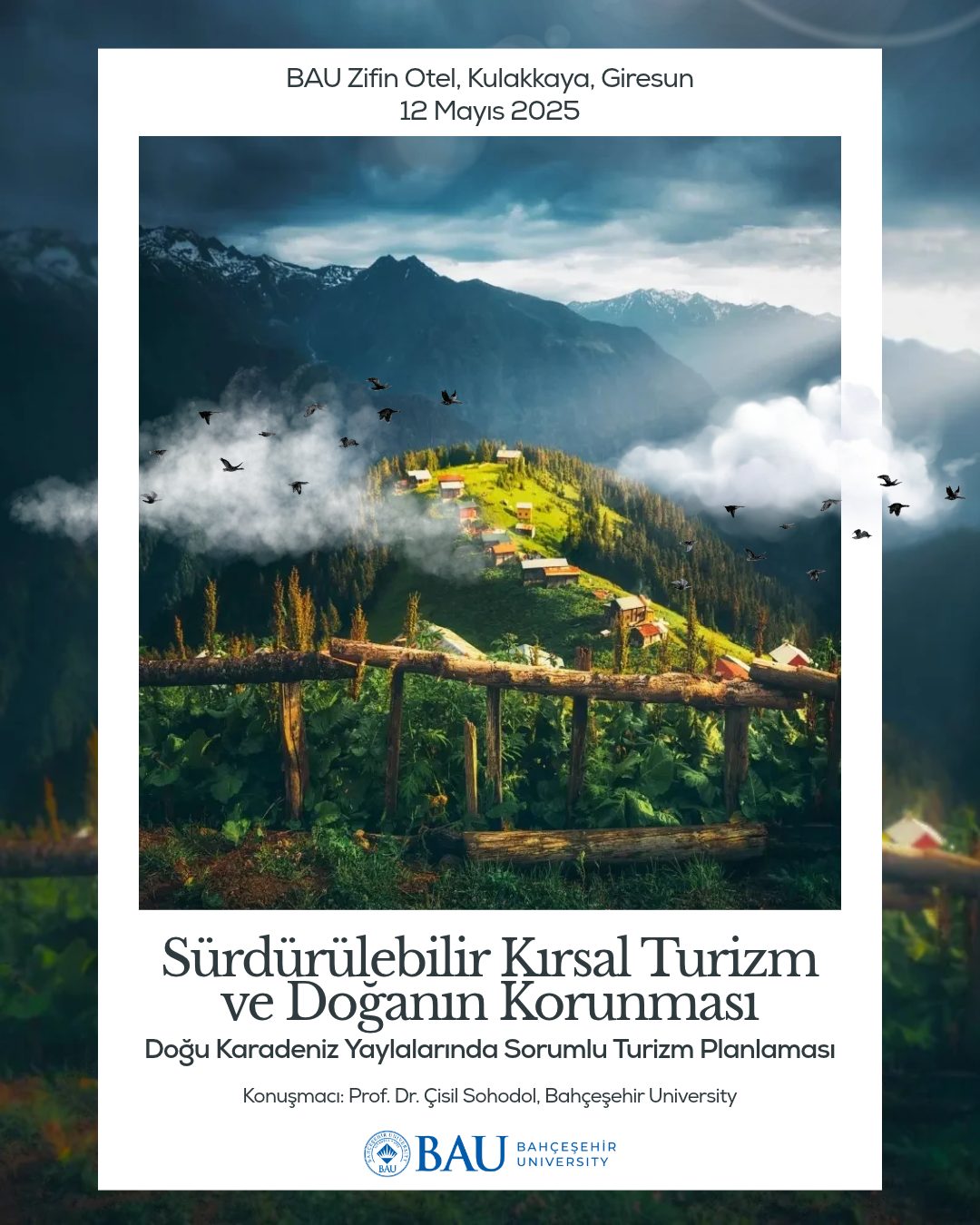
On 12 May 2025, Bahçeşehir University (BAU) brought together local tourism stakeholders at BAU Zifin Hotel in Kulakkaya, Giresun, for the educational event “Sustainable Rural Tourism and Nature Conservation,” with the subtitle “Responsible Tourism Planning in the Eastern Black Sea Highlands.” Delivered by Prof. Dr. Çisil Sohodol, the event extended university expertise beyond the campus through educational outreach to local tourism professionals. Local tourism operators, hoteliers, architects, and engineers were invited to explore how responsible tourism planning can support the sustainable management of land for tourism, while protecting the highlands’ natural landscapes and local biodiversity.
The training addressed principles, practical approaches, and methods for conducting tourism activities while conserving natural areas and the species and habitats they support. Case studies from Türkiye and other countries provided examples for discussing the relationship between tourism development, landscape conservation, and responsible land use. These discussions encouraged participants to consider how tourism facilities and activities can respect their surrounding environment, connecting sustainable tourism land management with the protection of the natural characteristics that make rural destinations valuable to residents and visitors.
The event combined BAU’s academic knowledge sharing with the practical experience of local stakeholders, creating opportunities for dialogue on the environmental responsibilities associated with tourism development and operations. Prof. Sohodol introduced an Environmental, Social, and Governance (ESG) perspective, placing particular emphasis on the environmental dimension of business decisions and its relevance to responsible tourism planning and land stewardship. Drawing on SDG 15: Life on Land, she explained the local and global significance of conserving biodiversity, linking the protection of highland ecosystems with the long-term sustainability of tourism and the communities whose livelihoods depend on these landscapes.
Through this locally focused educational outreach, BAU supported learning and knowledge exchange on managing land sustainably for tourism while safeguarding natural areas and local biodiversity. Bringing tourism professionals and built-environment practitioners into a shared discussion reinforced the importance of considering conservation in tourism-related planning and business practices. The event supported the educational aims of SDG 15: Life on Land by strengthening awareness of ecosystem protection and encouraging a shared sense of responsibility for the landscapes and natural resources that sustain rural life and tourism in the Eastern Black Sea highlands.
The images below show the training announcement poster and a photograph from the educational session.
Community Education and Youth Outreach for Sustainable Tourism: BAU’s Contribution to the SENTRUM Project
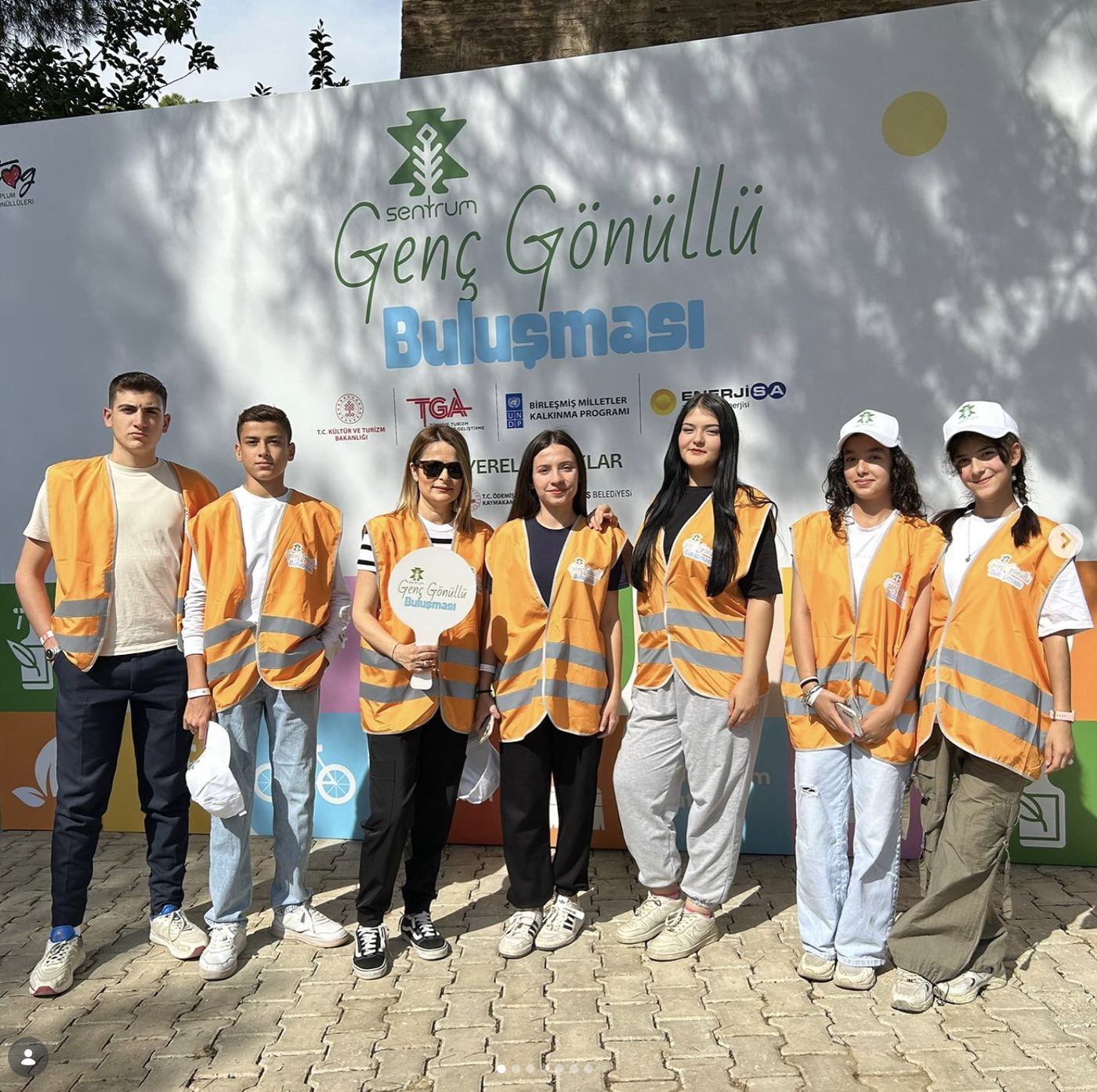
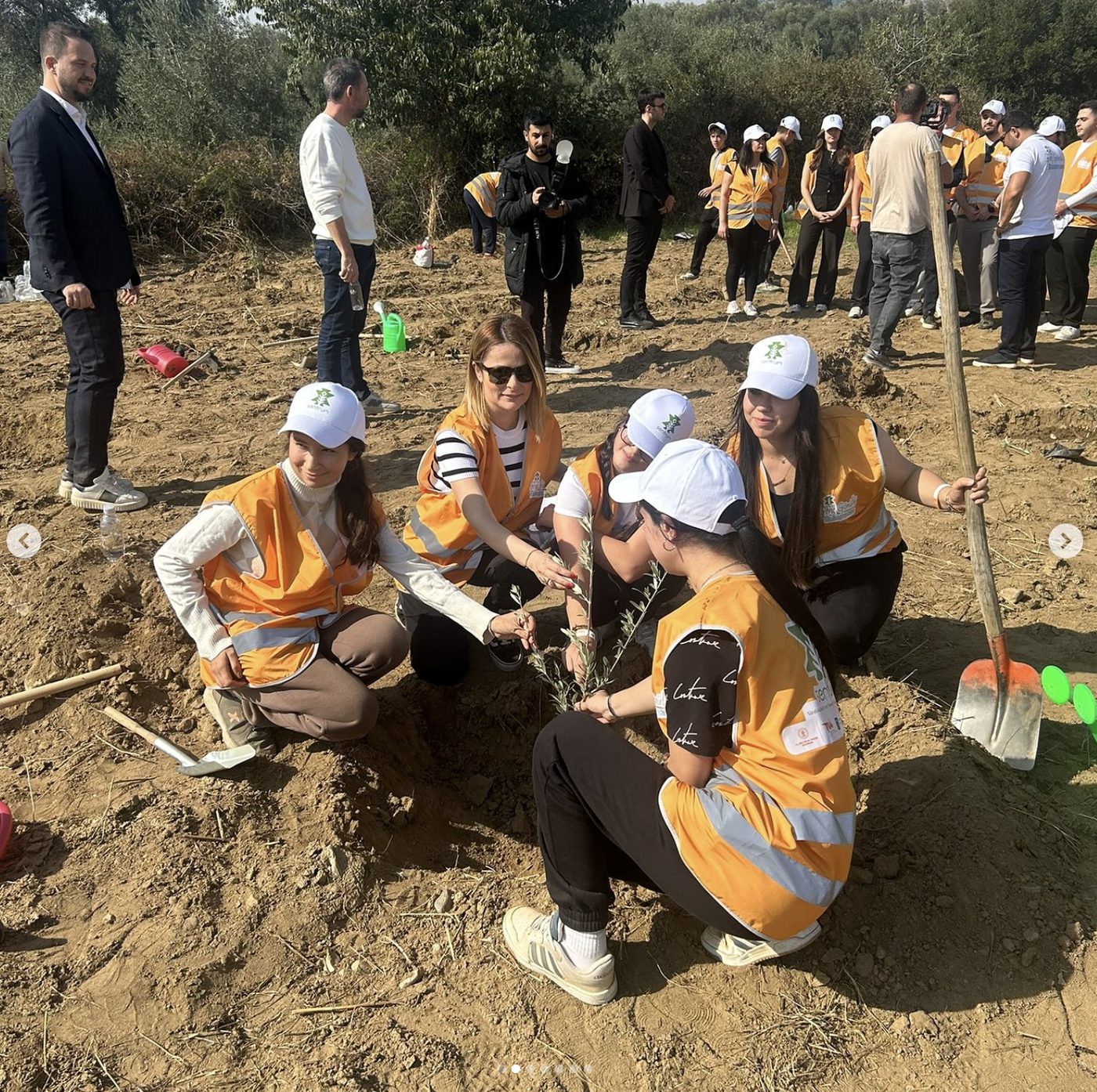
Bahçeşehir University (BAU) contributed to community-oriented sustainability education in Birgi, İzmir, through the SENTRUM Sustainable Energy-Based Tourism Application Centre project. Bahçeşehir University academician Prof. Dr. Çisil Sohodol, Director of BAU CIFAL Istanbul and Advisory Board Member of Enerjisa’s “A Better Future” Platform, represented BAU, CIFAL Istanbul and UNITAR at the opening of the Application Centre, contributed to educational activities for young volunteers from across Türkiye, and supported field activities.
SENTRUM’s work in Birgi connects sustainable tourism with environmental protection, cultural heritage and local livelihoods. Its Application Centre provides a local setting for training, stakeholder meetings and activities addressing energy efficiency, climate awareness, women’s and young people’s participation, and the preservation of local heritage. These activities bring residents and tourism businesses into the destination’s sustainable development process, recognising their role in caring for the places used by both communities and visitors.
Within this framework, BAU’s contribution included engagement with young volunteers through the “Centrum with Youth” programme organised by Enerjisa Enerji. Workshops, tree planting and hands-on sustainability activities connected learning with practical care for Birgi’s environment. Prof. Sohodol’s educational contribution and participation in field activities brought university expertise into this community setting, supporting young people’s understanding of environmental responsibility in a tourism destination.
The programme’s connection with sustainable management of land for tourism centred on caring for the natural and cultural landscape that supports Birgi’s visitor appeal and community life. Tree planting provided a practical opportunity to contribute to local green spaces, while the wider educational setting connected environmental care with the preservation of the destination’s character. Together, these activities linked tourism with responsibility for the land, vegetation and shared spaces on which the destination depends.
Across the wider SENTRUM project, 21 training programmes reached 1,000 participants, including tourism business representatives, women, young people and children. These figures describe the project’s overall educational reach. BAU’s contribution formed part of this broader effort through Prof. Sohodol’s educational input, youth engagement and support for field activities.
Through its involvement, BAU supported community learning and practical participation relevant to the sustainable management of tourism landscapes. The initiative connected the protection of local environmental and cultural resources with Birgi’s transition towards a sustainable tourism model aligned with Global Sustainable Tourism Council (GSTC) criteria, demonstrating how university expertise can contribute to learning and environmental stewardship beyond the campus.
The images below show Prof. Dr. Çisil Sohodol’s participation in the SENTRUM project.
BAU–CIFAL Istanbul–FAO Joint Event on Gastronomy and Gastro-Tourism: Community Education on Sustainable Land Management for Agriculture and Tourism
The image below displays the official promotional poster for the “FAO Talks: Gastronomy and Gastro-Tourism - Engaging Youth in Food and Agriculture” event:
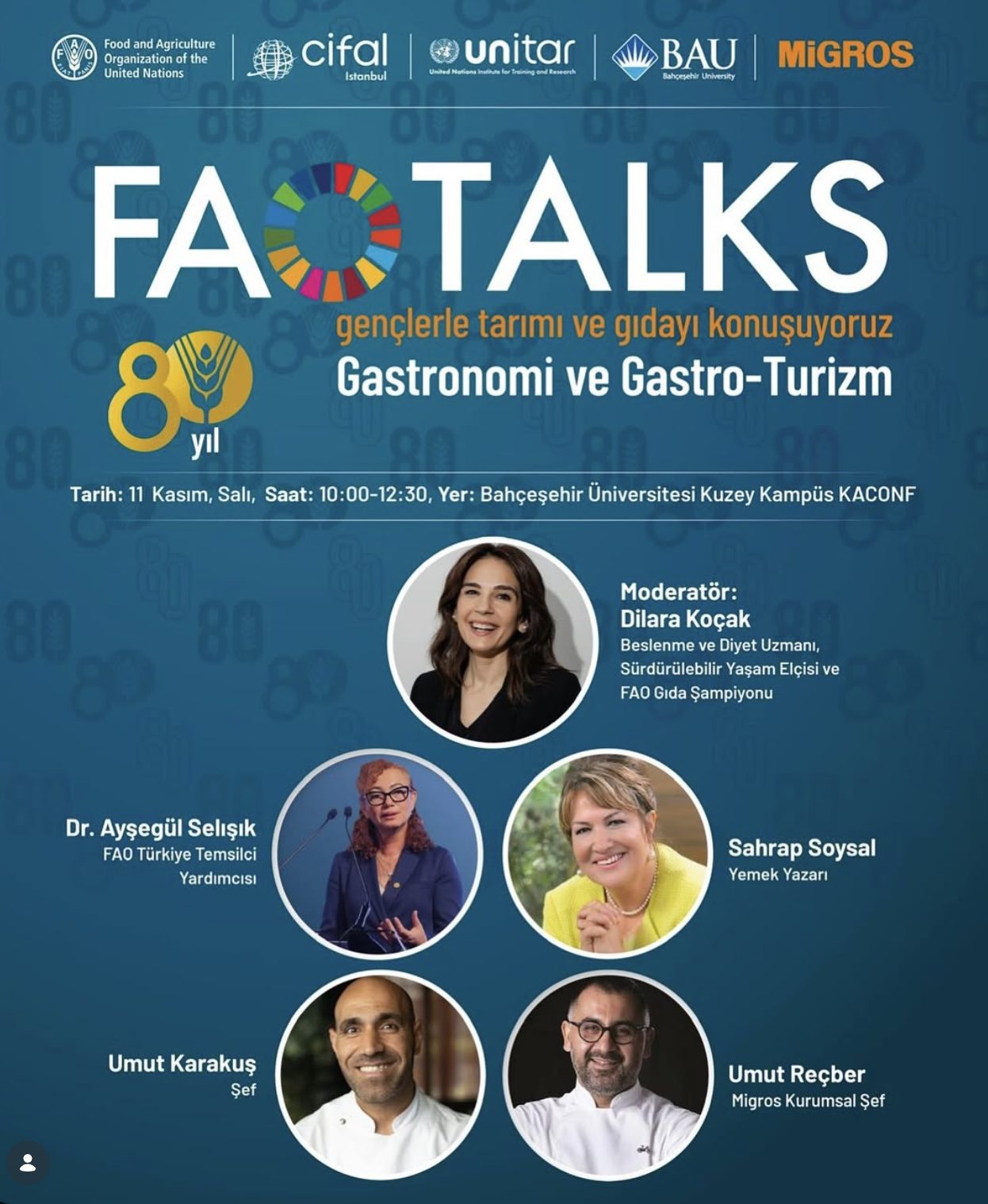
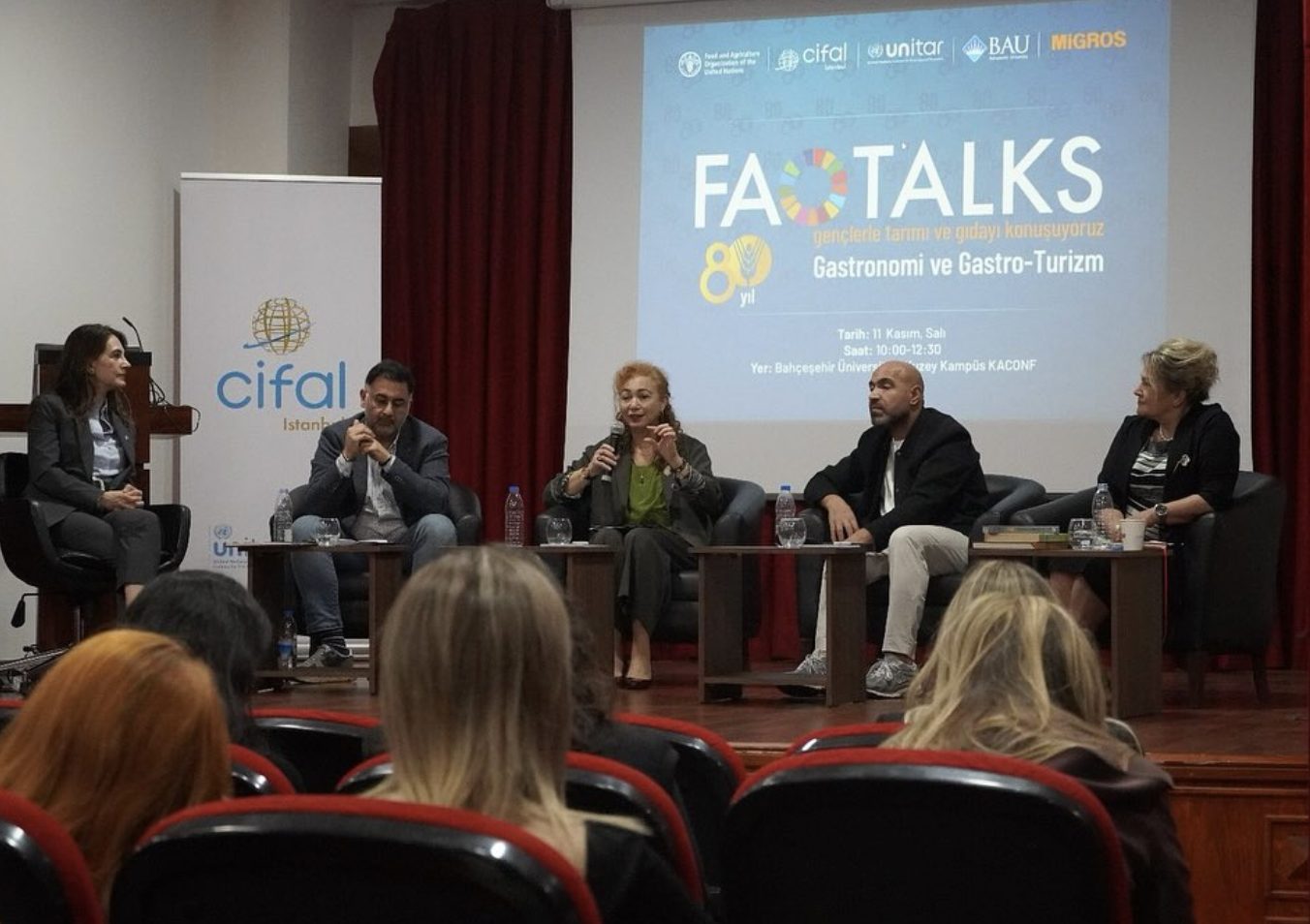
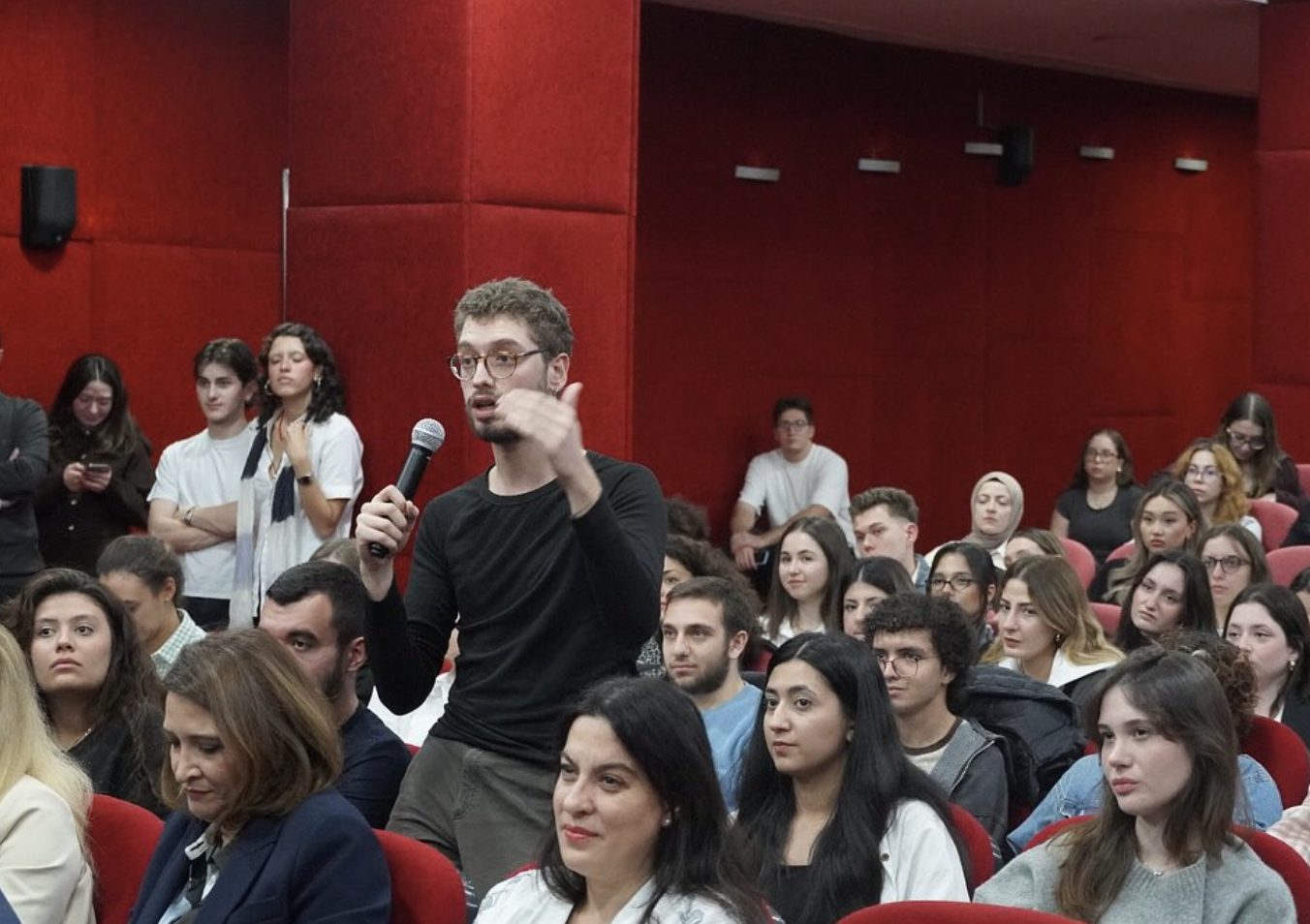
In 2025, Bahçeşehir University (BAU), CIFAL Istanbul, UNITAR and the Food and Agriculture Organization of the United Nations (FAO), with the participation of Migros, organised “FAO Talks: Gastronomy and Gastro-Tourism” at BAU’s North Campus. Held during FAO’s 80th anniversary year under the theme of discussing agriculture and food with young people, the event brought together students, academics, local residents, food-sector practitioners and international development professionals.
The discussion was moderated by Dilara Koçak, nutritionist, sustainable living ambassador and FAO Food Champion. Speakers included Dr. Ayşegül Selışık, FAO Türkiye Deputy Representative; Sahrap Soysal, food writer; Umut Karakuş, chef; and Umut Reçber, Migros Corporate Chef. The panel brought agricultural development, nutrition, food culture, culinary practice and food retail into a shared conversation about sustainable gastronomy and the future of food.
Discussions addressed local ingredients, small producers, sustainable food choices and young people’s involvement in agriculture and gastronomy. Bringing FAO’s agricultural perspective together with the experience of a food writer and professional chefs connected the production of ingredients with their use in kitchens and their place in regional food traditions. Participants explored how understanding food origins and production practices can inform purchasing, cooking and consumption decisions.
Discussions on local ingredients and small producers connected gastronomy with the sustainable management of agricultural land. The programme addressed the importance of maintaining soil fertility, protecting agricultural biodiversity and using soil and water resources responsibly so that farmland can remain productive over time. These themes linked food sourcing with the cultivation practices behind ingredients, encouraging participants to consider how purchasing and culinary decisions can support producers who care for the land.
The gastro-tourism discussion extended this connection to the sustainable management of rural land used for tourism. Farms, orchards and their surrounding landscapes provide both food and experiences through which visitors encounter local production and culinary traditions. The discussion connected the development of these experiences with the need to conserve natural areas, respect existing agricultural uses and avoid degrading the landscape on which the destination depends. This placed local food and tourism within a shared land-management perspective: maintaining agricultural production while protecting the ecological and cultural qualities that attract visitors.
Through this community-oriented event, BAU and CIFAL Istanbul supported education relevant to sustainable land management for both agriculture and tourism. Participants were encouraged to consider how food production, sourcing and tourism activities depend on decisions about the use and care of land, linking productive soils and agricultural biodiversity with the conservation of rural landscapes and natural resources.
The two images below show photographs from the programme.
Sustainable Architecture and Land Use for Tourism: Educational Outreach on Timber Structures
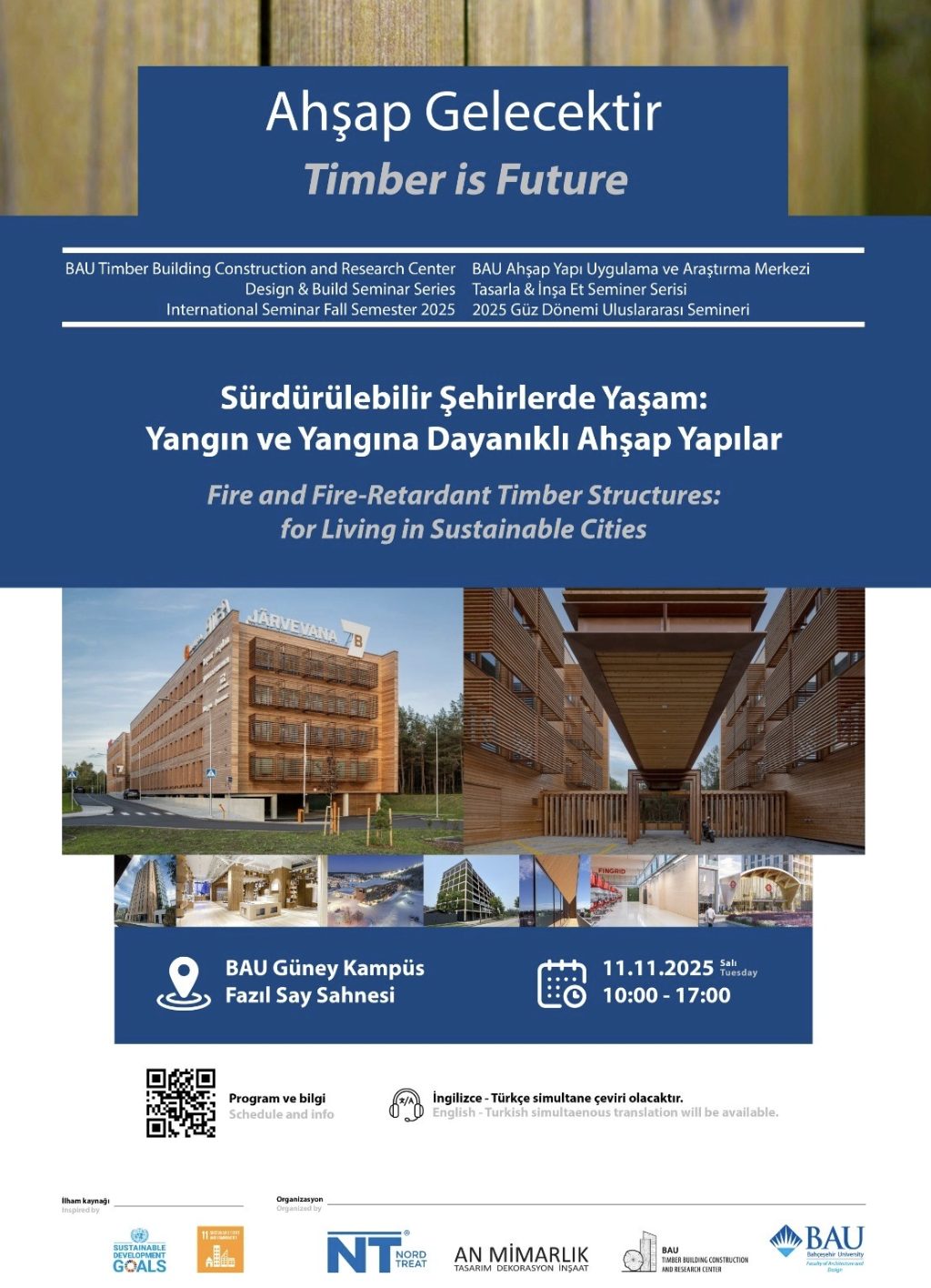
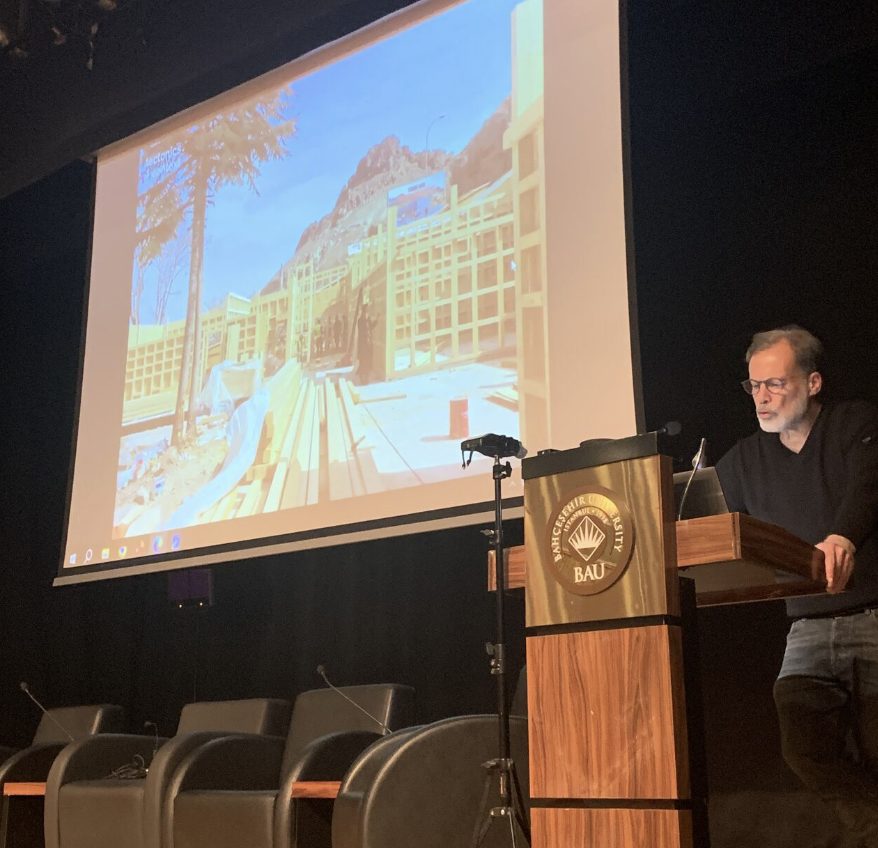
Bahçeşehir University’s Timber Structures Application and Research Center and Faculty of Architecture and Design organised the seminar “Fire and Fire-Resistant Timber Structures for Living in Sustainable Cities” at BAU’s Beşiktaş South Campus. Bringing together architects, engineers, students, manufacturers, and representatives of Finland-based Nordtreat, the event provided a platform for professional education through presentations and panel discussions on timber construction, fire safety, and sustainable building practices. A dedicated sustainable architecture session addressed the sustainable management of land for tourism, focusing on the relationship between hotel development, sustainable design, and the responsible use of the land on which tourism facilities are built.
Through this session, BAU extended its educational outreach to professional and sectoral communities, connecting architectural knowledge with practical considerations for sustainable tourism development. Participants explored hotel buildings as part of the wider landscape they occupy, linking the sustainability of individual structures with the responsible use of tourism land. Discussions of timber construction, informed material selection, and resource efficiency complemented this focus by addressing the environmental implications of building choices. The event therefore supported learning on how sustainable architectural approaches can inform hotel development and contribute to the long-term care of the land and natural resources that tourism depends upon.
The images below show the event poster and a photograph from the sustainable architecture session on hotel development and sustainable land use for tourism.
Corporate Sustainability and ESG Education: Environmental Responsibility in Tourism
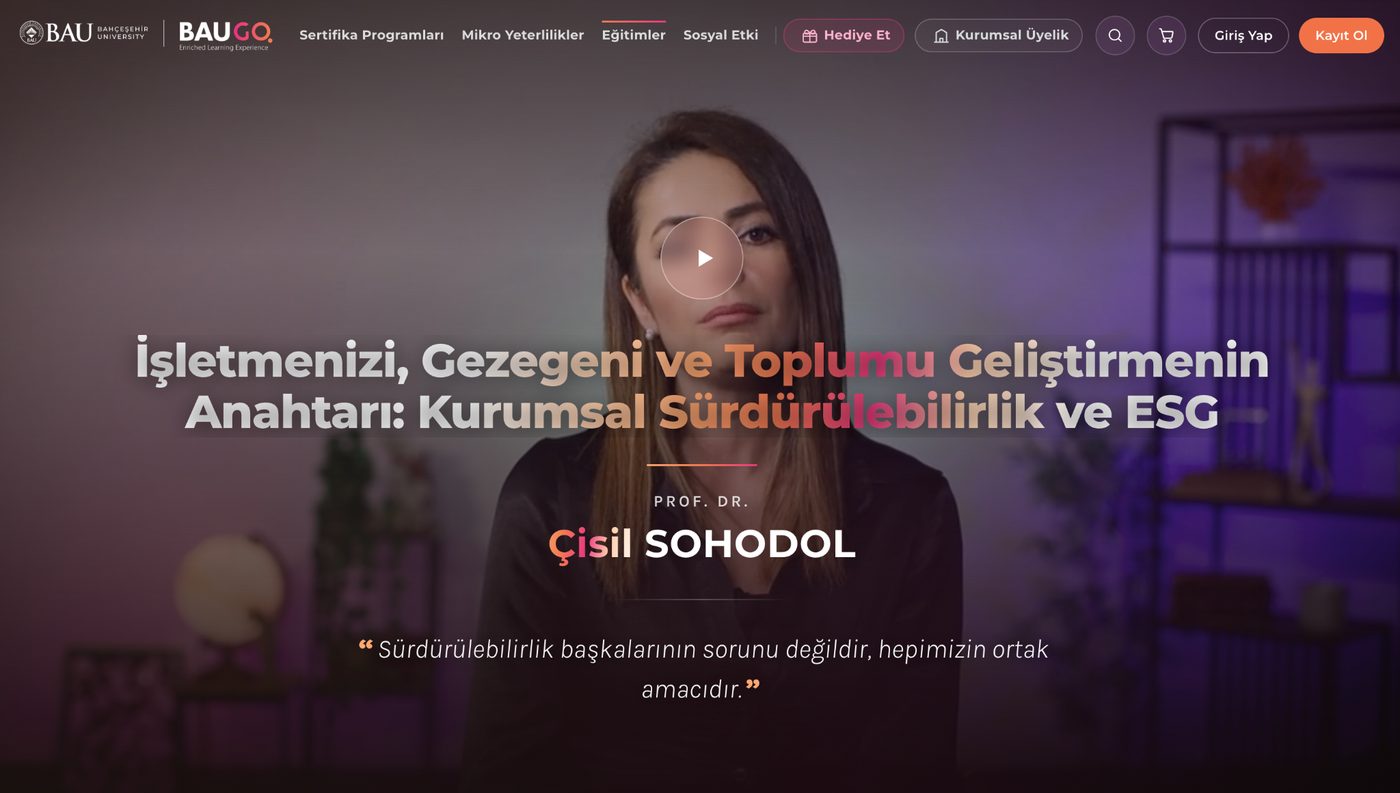
Through its online learning platform BAUGO, Bahçeşehir University (BAU) offers the training “The Key to Improving Your Business, Planet, and Society: Corporate Sustainability and ESG,” delivered by Prof. Dr. Çisil Sohodol, Director of CIFAL Istanbul. Available to learners beyond the university campus, the training introduces approaches to integrating environmental, social, and governance principles into business practices. Its module “The Intersection of ESG and Environmental Responsibility” also addresses the tourism sector, placing tourism businesses within the broader discussion of corporate responsibility for environmental impacts.
This educational provision offers a foundation for understanding the environmental responsibilities relevant to the sustainable management of land for tourism. While the training addresses ESG across sectors, its inclusion of tourism provides a complementary perspective on the importance of environmental responsibility in tourism development and operations. Through this accessible online format, BAU extends sustainability education to wider communities and supports awareness of responsible business practices relevant to the long-term protection of tourism destinations.
The image below shows the course’s homepage on BAUGO.
Educational Resource on Agritourism and Sustainable Land Use for Tourism
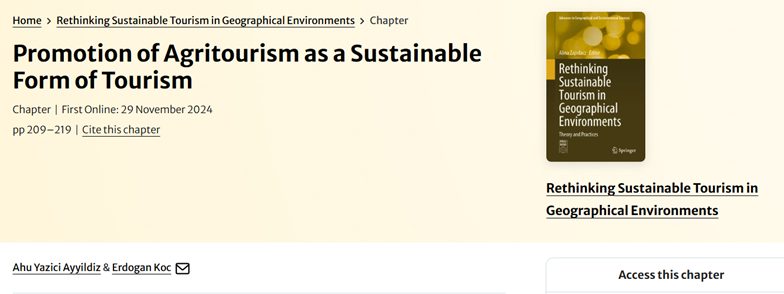
Authored by Prof. Dr. Erdoğan Koç and Asst. Prof. Dr. Aylin Y. Ayyıldız, the book chapter “Promotion of Agritourism as a Sustainable Form of Tourism” was published in Rethinking Sustainable Tourism in Geographical Environments: Theory and Practices by Springer Nature Switzerland (2024). The chapter examines agritourism as a sustainable alternative to mass tourism, bringing together environmental responsibility, rural economic development, and socio-cultural preservation. Its discussion of local production, ethical supply chains, and resource-efficient tourism practices provides an educational resource relevant to understanding how tourism can support rural livelihoods while respecting the resources on which they depend.
The chapter contributes knowledge relevant to the sustainable management of land for tourism by examining a tourism model rooted in agricultural activities and rural environments. This perspective offers a basis for considering how tourism can complement productive rural landscapes and support local communities, including women, through participation and income opportunities. As a scholarly educational resource, the chapter complements BAU’s wider sustainability education and outreach activities, providing a knowledge base for exploring the relationship between responsible tourism, rural development, and the long-term sustainability of agricultural landscapes.
The image below shows the publisher’s webpage for the book chapter “Promotion of Agritourism as a Sustainable Form of Tourism.”
CUL3403 Gastronomy Tourism Course: Sustainable Land Management Education and Local Stakeholder Engagement
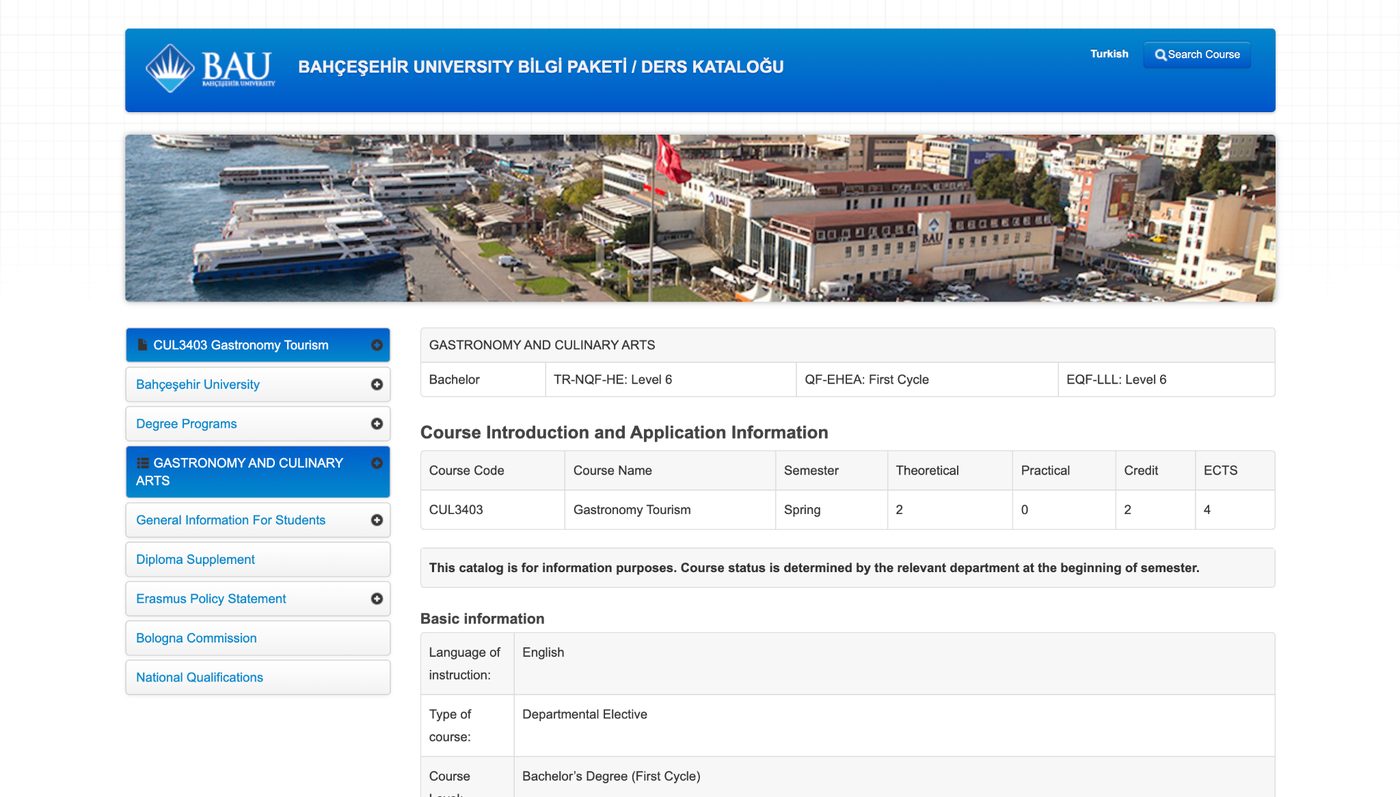
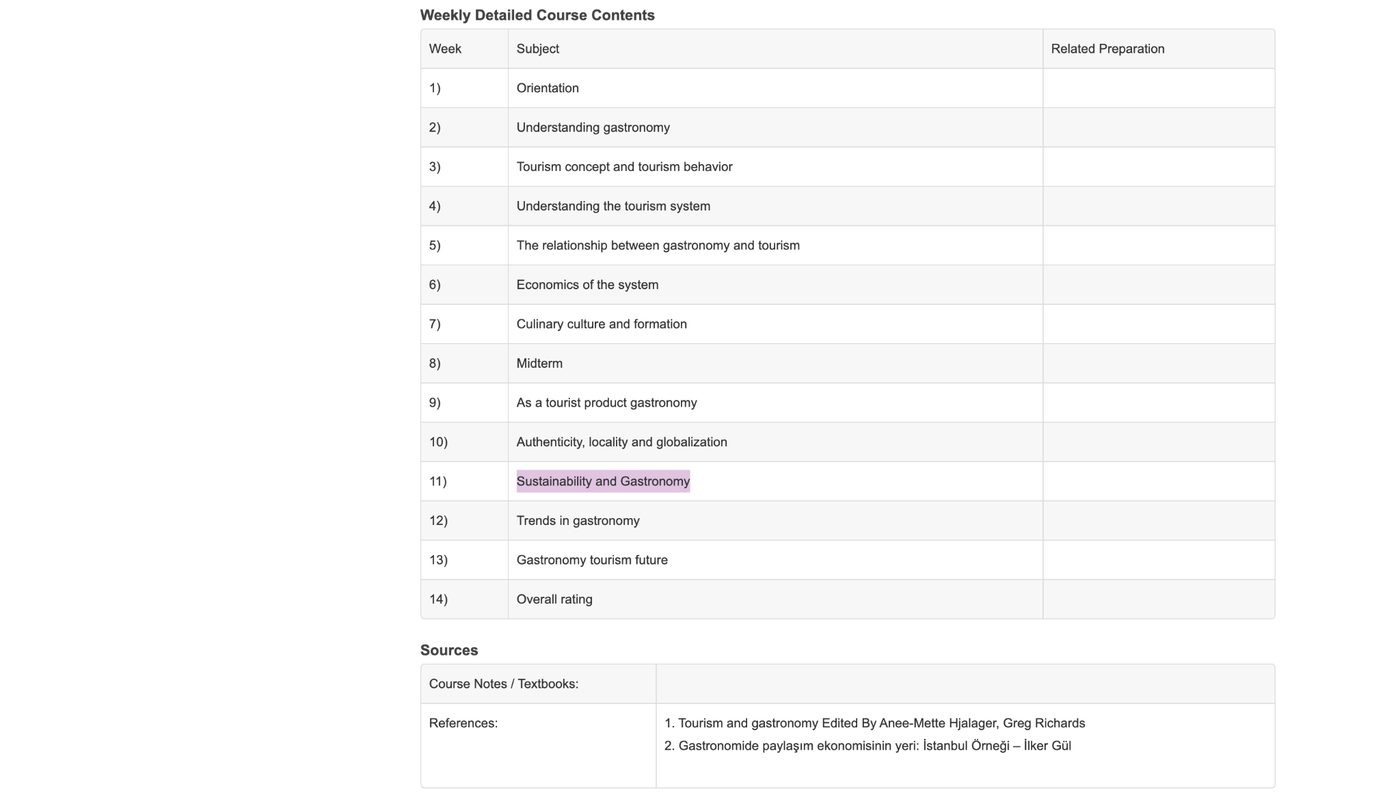
Bahçeşehir University (BAU) offers CUL3403 Gastronomy Tourism within its Department of Gastronomy and Culinary Arts, combining academic learning with field-based engagement relevant to the sustainable management of land for tourism. The curriculum includes “Sustainability and Gastronomy” alongside the relationship between gastronomy and tourism, authenticity and locality, and the future of gastronomy tourism. Within this framework, students learn how land supporting gastronomy tourism can be managed through environmentally responsible approaches that respect natural areas and the resources on which food production and tourism depend.
The course addresses how gastronomy tourism can develop in harmony with its surrounding environment, connecting sustainable land use, nature conservation, and responsible tourism practices. Students consider how tourism-related uses of agricultural and rural areas can respect the ecological characteristics of these places. This educational approach links the quality and long-term viability of gastronomic destinations with the protection of the land and natural resources that sustain local food cultures and livelihoods.
Field visits extend learning beyond the classroom, bringing students into contact with local producers, tourism operators, and other local stakeholders. These encounters create opportunities to connect academic perspectives on sustainable land management with the experiences of people working in food production and tourism. Through dialogue with local stakeholders, students explore the practical context of responsible land use, while the course establishes a community engagement dimension through university–community interaction.
By combining sustainability education with field visits and local stakeholder dialogue, CUL3403 complements BAU’s wider educational outreach on sustainable management of land for gastronomy tourism. The course supports understanding of the relationship between tourism, productive landscapes, and environmental responsibility, contributing to the educational objectives of SDG 15: Life on Land through its emphasis on protecting the natural foundations of rural livelihoods and tourism.
The images below show the CUL3403 Gastronomy Tourism course catalogue entry and its weekly curriculum, including the “Sustainability and Gastronomy” topic.