EN
15.2.5 - Education and Community Outreach on Sustainable Management of Land for Agriculture
Bahçeşehir University (BAU) offers educational programmes and outreach activities for local and national communities on the sustainable management of agricultural land. These activities connect academic expertise with practical knowledge on soil health, biodiversity, responsible resource use and cultivation practices that help maintain the long-term productive capacity of land.
Through farmer training, community workshops, expert-led discussions, online learning and educational visits, BAU engages farmers, producers, cooperatives, school groups, food-sector professionals and wider public audiences. Contributions from academic units, CIFAL Istanbul and external partners, including the Food and Agriculture Organization of the United Nations (FAO), support knowledge sharing beyond the University’s enrolled student population.
The examples below illustrate how BAU makes sustainable agricultural land management accessible through education and community engagement, linking soil conservation and ecological responsibility with the needs of agricultural communities and the wider food system.
1- Community Education on Sustainable Agricultural Land Management in Giresun with United Nations Food and Agriculture Organization (FAO) Türkiye
Bahçeşehir University (BAU), in collaboration with the United Nations Institute for Training and Research (UNITAR) and Food and Agriculture Organization of the United Nations Türkiye (FAO), organised an educational programme for local communities on the sustainable management of land for agriculture in Giresun, Türkiye. The programme targeted local farmers, agricultural producers, and cooperatives, providing knowledge to support environmentally conscious agricultural practices and the responsible management of the land on which their livelihoods depend.
The training focused on the relationship between soil health, agricultural productivity, and the protection of local ecosystems. Participants explored sustainable agricultural practices that help maintain soil fertility, prevent land degradation, and support the long-term productive capacity of agricultural land. The programme emphasised that sustaining agricultural production requires care for the soil and the ecological processes that underpin healthy and resilient farming systems.
A central theme was how to carry out agricultural activities while protecting local flora and fauna. The training addressed the importance of reducing environmental disturbance and recognising the contribution of biodiversity to agricultural production. It encouraged participants to consider cultivated land alongside surrounding vegetation and habitats, strengthening understanding of how agricultural land management decisions affect the wider ecosystem.
Soil sustainability and the sustainable use of agricultural land were also explored as a dedicated theme. Participants examined what it means to maintain healthy, productive soil over time and how everyday farming decisions can help protect its long-term fertility. This theme highlighted the importance of preserving soil structure and organic matter, preventing erosion, maintaining soil moisture, and supporting the organisms that contribute to nutrient cycling. By connecting soil conservation with sustainable agricultural land management, the training encouraged farmers and cooperatives to view soil as a living resource whose continued health is essential to agricultural production and local livelihoods.
Designed for producers working across different agricultural activities, the programme connected sustainable land management principles with the everyday responsibilities of farmers and cooperatives. It promoted an approach to agricultural productivity that considers both current production needs and the preservation of soil quality, biodiversity, and natural resources for future use. Cooperatives were also an important audience for this community outreach, given their potential to share knowledge and encourage sustainable practices across local producer networks.
Through this collaboration, BAU extended sustainability education beyond the university to local agricultural communities, supporting their understanding of environmentally responsible land use. The programme directly addressed sustainable management of land for agriculture by linking community education with soil conservation, biodiversity protection, and the long-term sustainability of agricultural livelihoods.
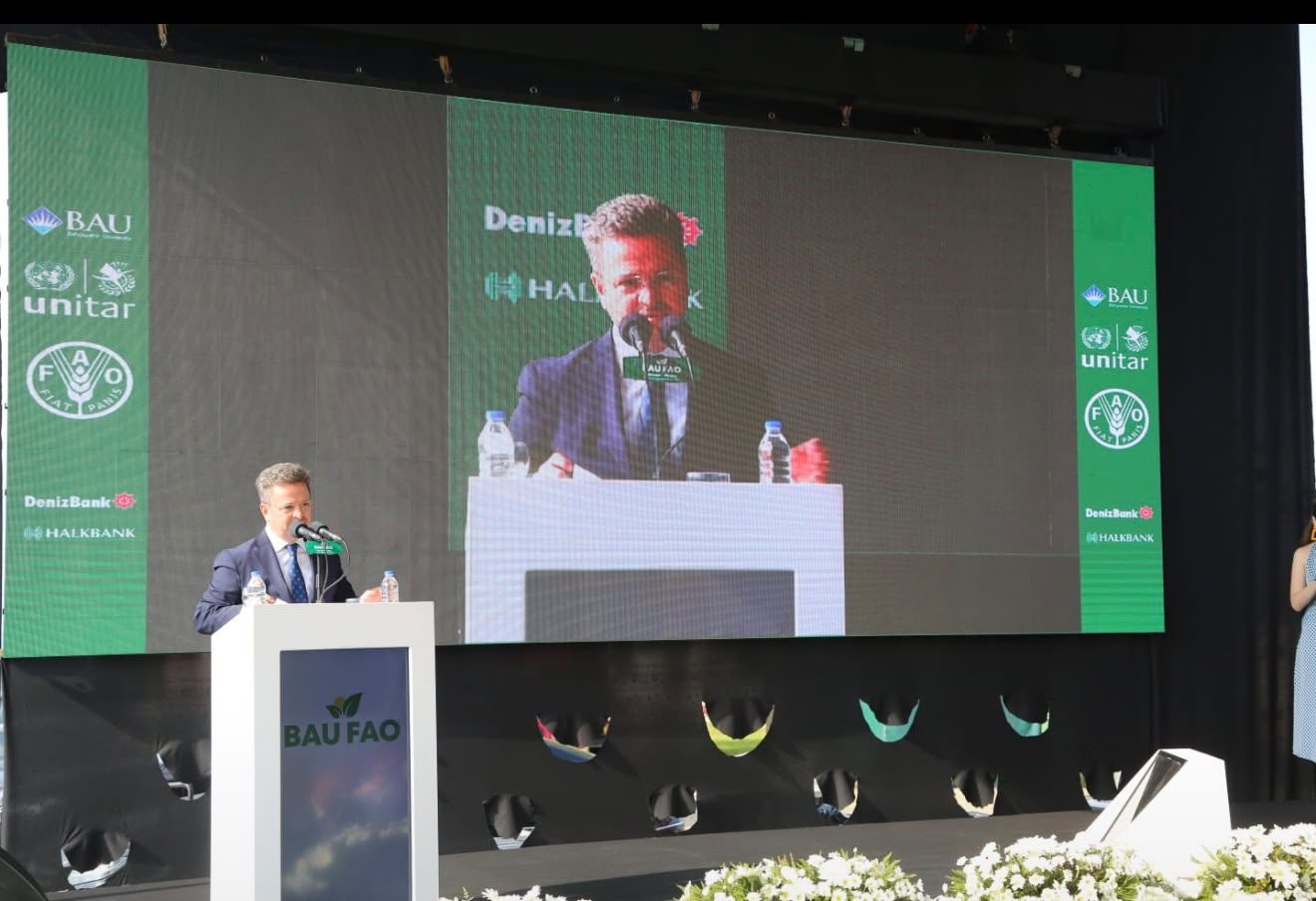
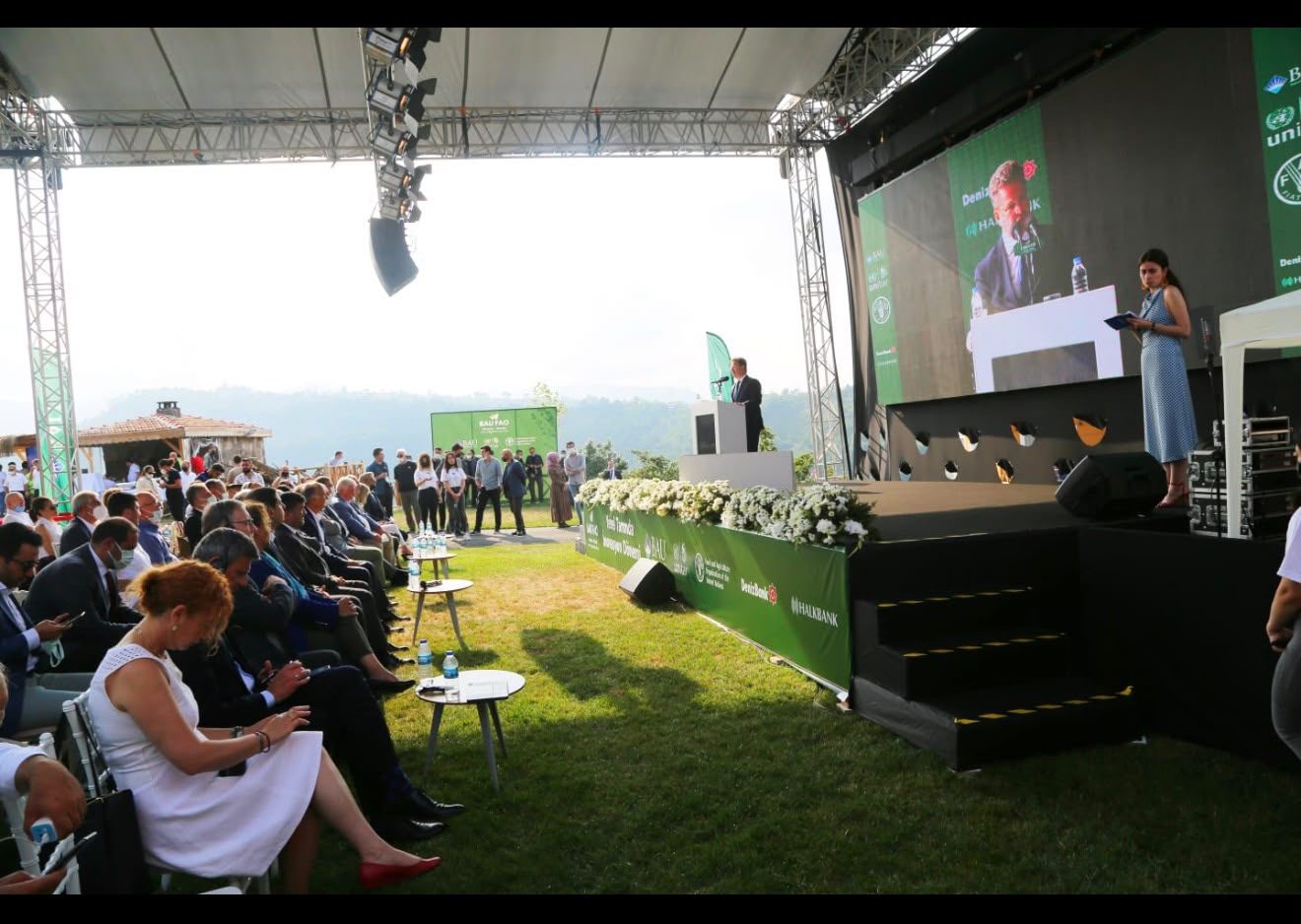
The two images below show photographs from the training programme in Giresun.
2- Agroecology as a Solution: Knowledge Sharing on Sustainable Management of Land for Agriculture
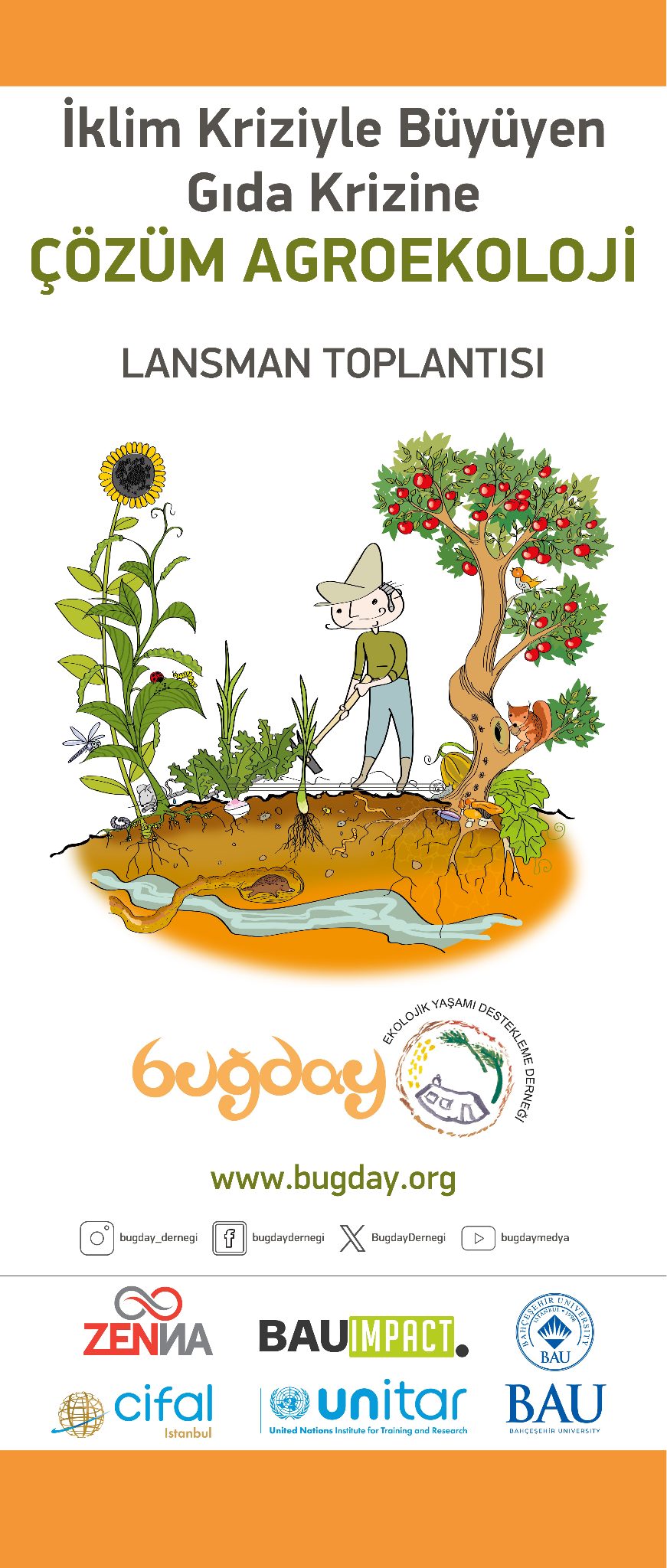
In 2025 academic year, held at Bahçeşehir University (BAU) through collaboration between Buğday Association for Supporting Ecological Living, BAU, CIFAL Istanbul and UNITAR, the “Agroecology as a Solution” meeting brought together the local community, subject experts and business representatives to examine how agroecological approaches can support a more sustainable food system. The event provided an educational platform for sharing knowledge relevant to local and national communities on sustainable management of land for agriculture, addressing the ecological, economic and social conditions that shape agricultural practices. Discussions connected the environmental pressures associated with intensive production and climate change with the need to protect soil resources, restore degraded agricultural land and maintain the natural systems on which food production depends.
Soil restoration, soil organic matter and long-term agricultural productivity were central themes. Discussions explored how declining organic matter weakens soil fertility and why rebuilding it through agroecological production methods is essential to maintaining the land’s productive capacity. Agroecology was presented as an approach that works with ecological processes, reduces reliance on external inputs and supports diversity within agricultural production. These principles were connected to the protection of biodiversity, the reduction of damage to natural habitats and the need to address the environmental consequences of agricultural chemical use. By explaining the relationship between healthy soils, ecological functions and continued food production, the meeting strengthened understanding of sustainable management of land for agriculture as an ongoing responsibility requiring both productive use and environmental care.
Through this educational exchange, BAU and its partners contributed to community-oriented outreach on sustainable management of land for agriculture, connecting soil conservation, biodiversity protection, responsible production and support for farming communities within a shared approach to long-term agricultural sustainability.
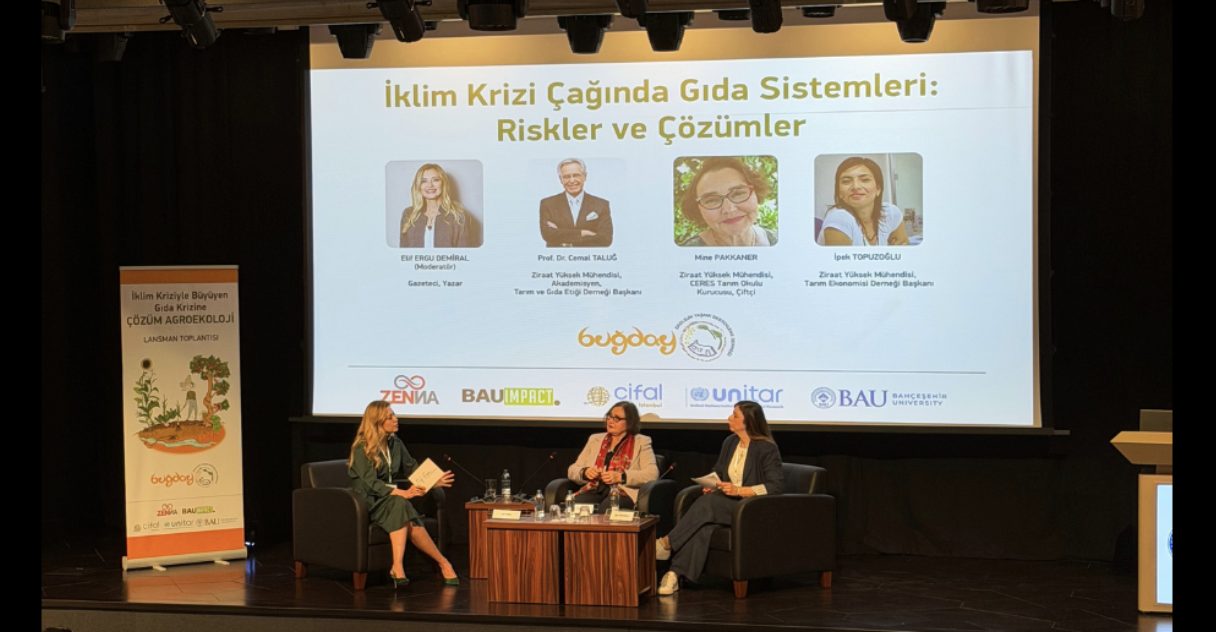
The images below show the promotional poster and a photograph from the “Agroecology as a Solution” meeting.
3- BAU–CIFAL Istanbul–FAO Joint Event on Gastronomy and Gastro-Tourism: Community Education on Sustainable Land Management for Agriculture and Tourism
The image below displays the official promotional poster for the “FAO Talks: Gastronomy and Gastro-Tourism - Engaging Youth in Food and Agriculture” event:
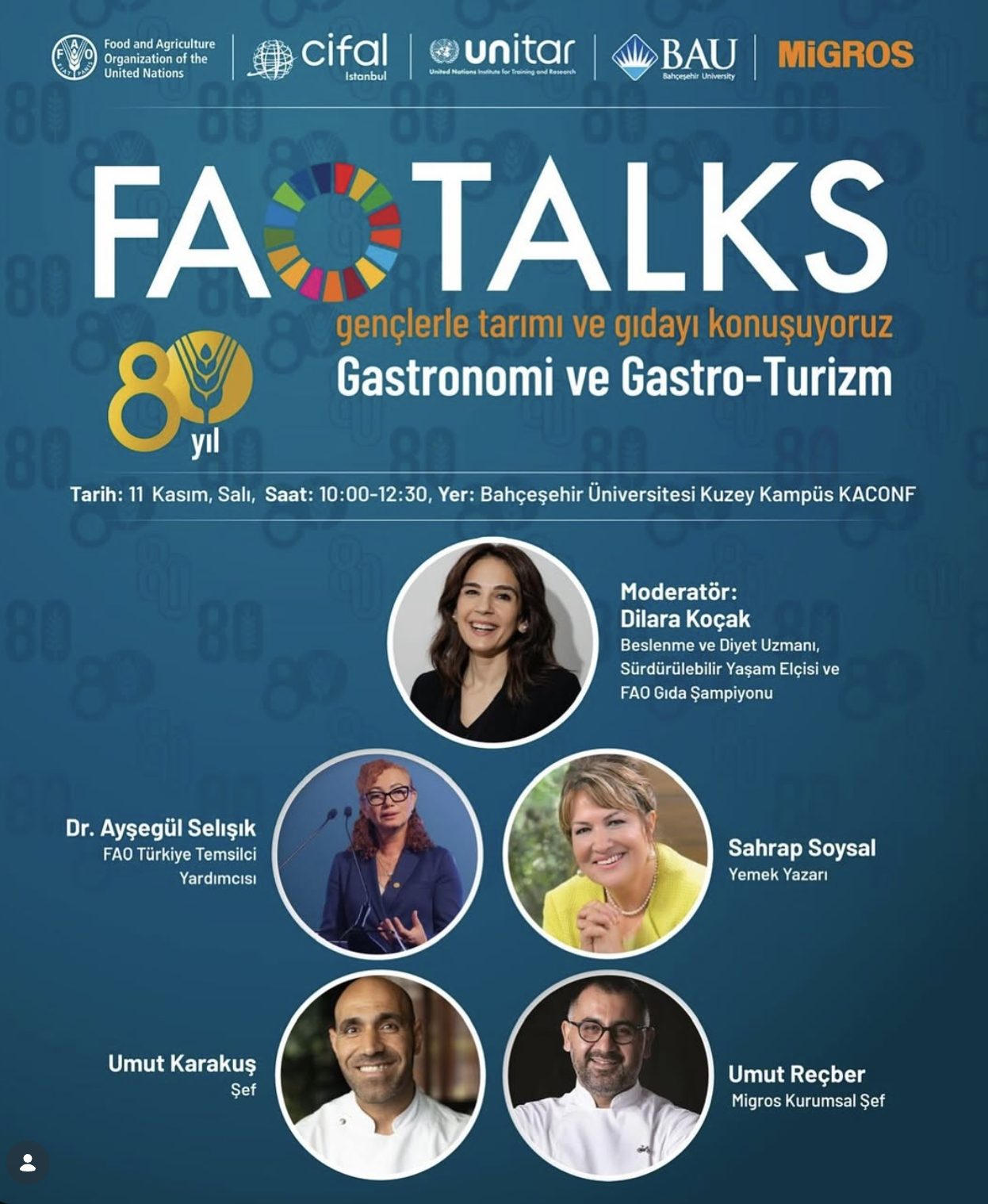
In 2025, Bahçeşehir University (BAU), CIFAL Istanbul, UNITAR and the Food and Agriculture Organization of the United Nations (FAO), with the participation of Migros, organised “FAO Talks: Gastronomy and Gastro-Tourism” at BAU’s North Campus. Held during FAO’s 80th anniversary year under the theme of discussing agriculture and food with young people, the event brought together students, academics, local residents, food-sector practitioners and international development professionals.
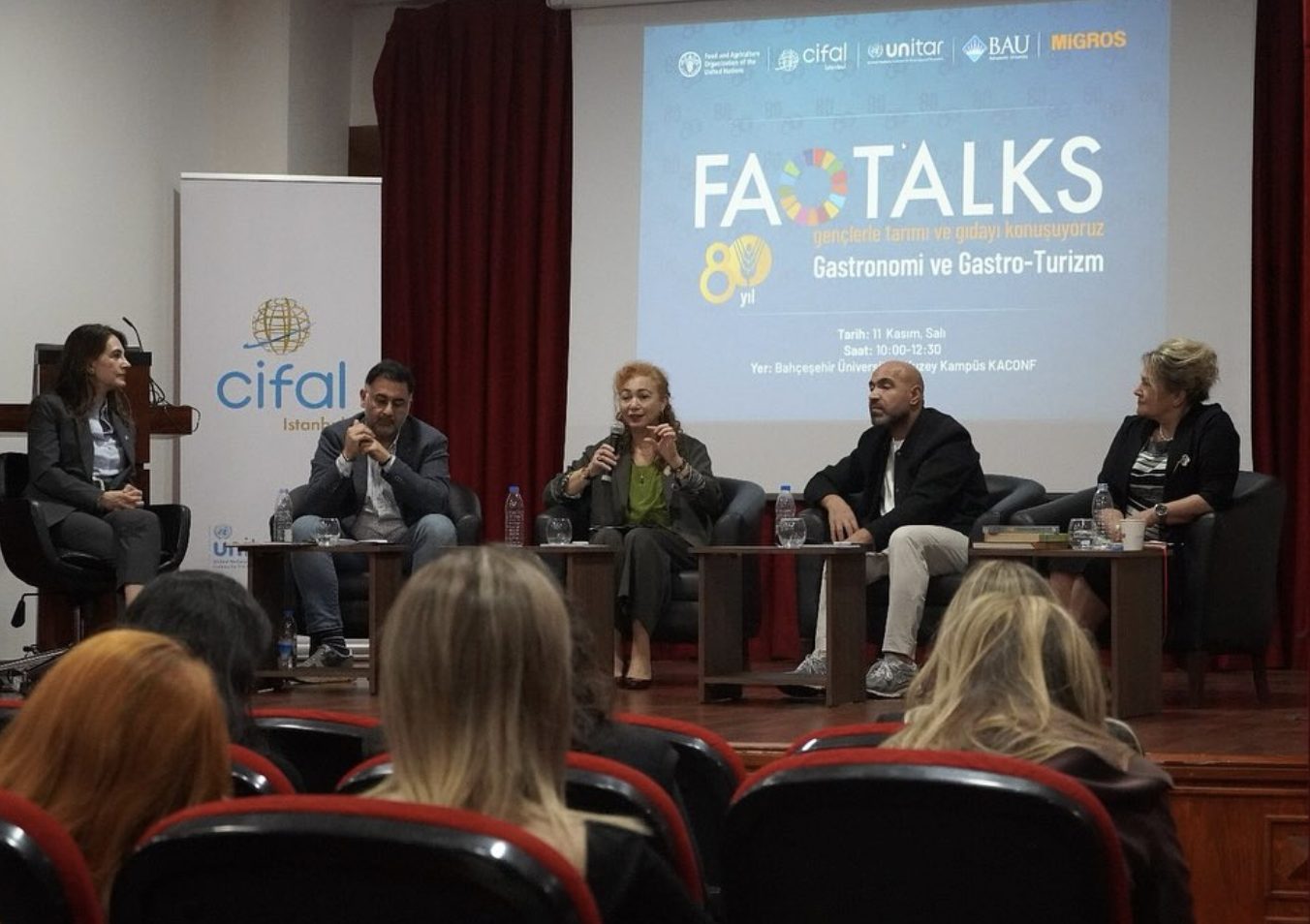
The discussion was moderated by Dilara Koçak, nutritionist, sustainable living ambassador and FAO Food Champion. Speakers included Dr. Ayşegül Selışık, FAO Türkiye Deputy Representative; Sahrap Soysal, food writer; Umut Karakuş, chef; and Umut Reçber, Migros Corporate Chef. The panel brought agricultural development, nutrition, food culture, culinary practice and food retail into a shared conversation about sustainable gastronomy and the future of food.
Discussions addressed local ingredients, small producers, sustainable food choices and young people’s involvement in agriculture and gastronomy. Bringing FAO’s agricultural perspective together with the experience of a food writer and professional chefs connected the production of ingredients with their use in kitchens and their place in regional food traditions. Participants explored how understanding food origins and production practices can inform purchasing, cooking and consumption decisions.
Discussions on local ingredients and small producers connected gastronomy with the sustainable management of agricultural land. The programme addressed the importance of maintaining soil fertility, protecting agricultural biodiversity and using soil and water resources responsibly so that farmland can remain productive over time. These themes linked food sourcing with the cultivation practices behind ingredients, encouraging participants to consider how purchasing and culinary decisions can support producers who care for the land.
The gastro-tourism discussion extended this connection to the sustainable management of rural land used for tourism. Farms, orchards and their surrounding landscapes provide both food and experiences through which visitors encounter local production and culinary traditions. The discussion connected the development of these experiences with the need to conserve natural areas, respect existing agricultural uses and avoid degrading the landscape on which the destination depends. This placed local food and tourism within a shared land-management perspective: maintaining agricultural production while protecting the ecological and cultural qualities that attract visitors.
Through this community-oriented event, BAU and CIFAL Istanbul supported education relevant to sustainable land management for both agriculture and tourism. Participants were encouraged to consider how food production, sourcing and tourism activities depend on decisions about the use and care of land, linking productive soils and agricultural biodiversity with the conservation of rural landscapes and natural resources.
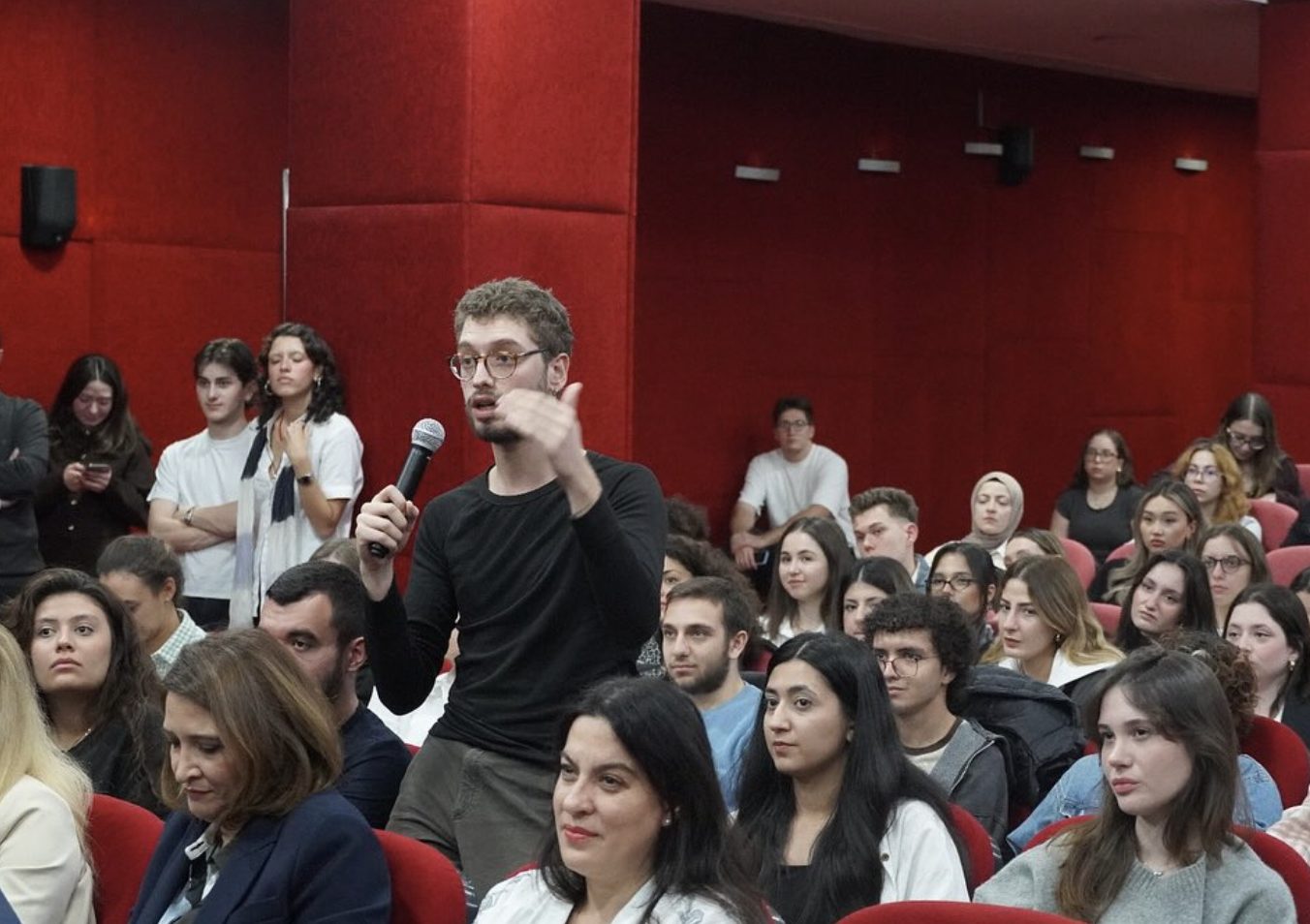
The images below display selected highlights from the FAO Talks event
4- The Key to a Green and Circular Future: Cooperatives
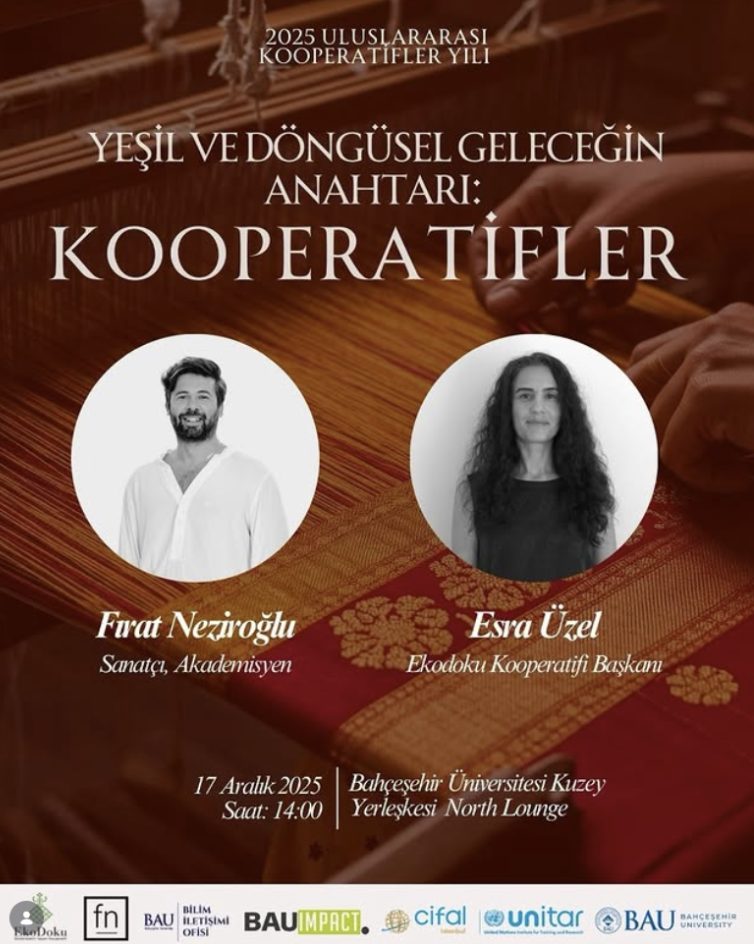
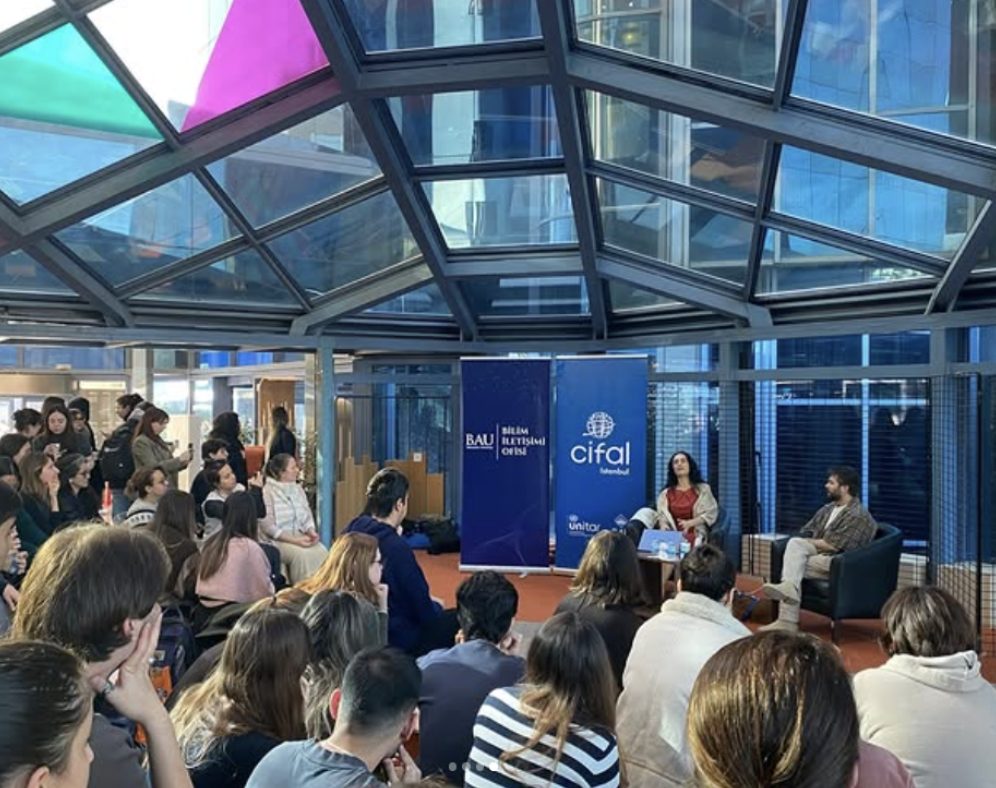
“The Key to a Green and Circular Future: Cooperatives” was held at Bahçeşehir University in collaboration with the BAU Science Communication Office. Organised within the framework of the 2025 International Year of Cooperatives, the event featured artist and academic Fırat Neziroğlu, President of Ekodoku Cooperative Esra Üzel, as well as other key figures from local cooperatives as distinguished guests. The programme explored how cooperatives can support environmentally responsible textile production, connecting natural fibres with sustainable management of land for agriculture.
Drawing on cotton, wool and mohair obtained from Angora goats, the speakers discussed the importance of natural fibres and the agricultural resources that support their production. In considering alternatives to polyester and other synthetic fibres, the discussion highlighted the potential of responsibly produced natural materials to support ecological approaches to textiles. Their sustainability was connected to how crops are cultivated, animals are raised and the land supporting these activities is managed.
A central theme was the role of cooperatives in sustaining responsible livestock production and maintaining soil fertility. Discussions explored how cooperative approaches can encourage producers to share knowledge, use agricultural resources efficiently and consider the long-term condition of their land. Cotton cultivation and fibre-producing livestock provided concrete examples of why textile production depends on healthy soils and responsibly managed agricultural landscapes.
The programme emphasised that using land efficiently must also involve protecting its future productive capacity. Maintaining soil fertility, preventing land degradation and balancing production with the availability of natural resources are essential considerations for sustaining natural fibre production. This perspective encouraged participants to understand the relationship between the materials used in textiles and the agricultural practices underlying their supply.
The event was particularly relevant to SDG 15: Life on Land because it connected natural fibre production with the protection of soil resources and the long-term health of agricultural landscapes. Its educational focus on cooperatives provided an opportunity to share knowledge relevant to local and national communities on sustainable management of land for agriculture, highlighting how responsible cotton cultivation and livestock practices can support soil fertility, prevent land degradation and sustain the land resources on which rural livelihoods depend.
By connecting cooperative practices with natural fibres, livestock and soil health, the event provided an educational platform for understanding sustainable agricultural land management within the wider textile value chain. It highlighted how cooperation among producers can support the care of agricultural land while helping sustain local production, ecological knowledge and rural livelihoods.
The images below show the event’s promotional poster and a photograph taken during the programme.
5- BAU Agricultural Garden: Practical Education and Community Outreach on Sustainable Management of Land for Agriculture
Bahçeşehir University’s (BAU) Agricultural Garden provides a practical learning environment that connects gastronomy education with sustainable management of land for agriculture. Throughout their four-year undergraduate education, gastronomy students engage with growing practices through coursework and practical activities in the garden.
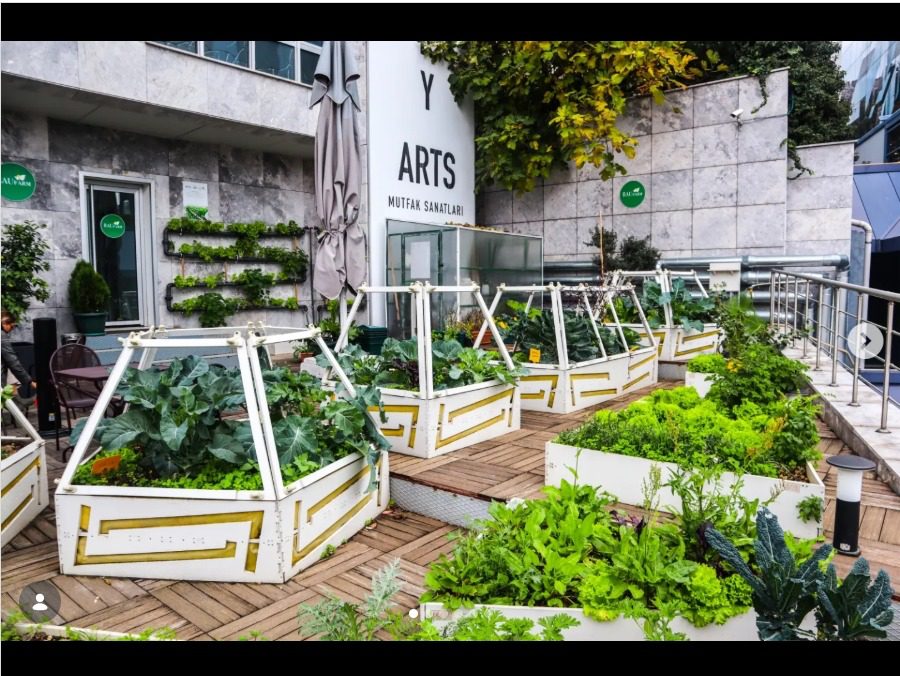
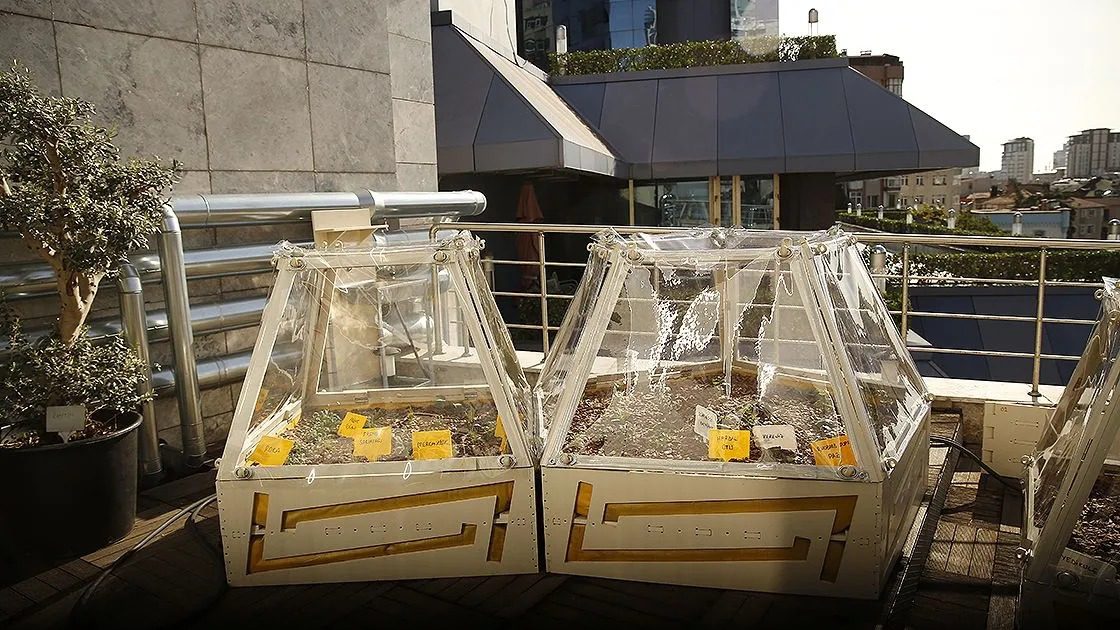
Learning activities address soil sustainability, soil fertility, seasonal cultivation and the efficient use of growing spaces. The garden incorporates greenhouses, small soil plots and soilless cultivation, introducing different approaches to producing food within limited urban space. Food waste is also used to produce fertilizer, connecting the recovery of organic materials with the nourishment of growing plants. Together, these practices help students explore how agricultural resources can be used responsibly while maintaining the productive capacity of the soil. Caring for plants and participating in harvesting also builds awareness of the time and resources required to produce food, encouraging greater care in its preparation and use.
Beyond student learning, the garden supports educational outreach for local communities on sustainable management of land for agriculture. School groups, sector representatives, producers and agricultural practitioners visit in connection with educational activities and events, providing opportunities to learn about the garden’s cultivation practices. These visits connect university-based knowledge with audiences outside BAU’s enrolled student population and offer a setting for discussing seasonal production, soil care and the responsible use of agricultural resources.
By combining practical gastronomy education with knowledge sharing for external visitors, BAU uses its Agricultural Garden to make sustainable agricultural land management accessible through direct observation and experience. The initiative connects soil health, resource recovery and food production with everyday decisions made by future culinary professionals and wider community participants. Its contribution lies in demonstrating why caring for agricultural land is essential to sustaining food production and encouraging responsible relationships with the natural resources on which food systems depend.
The two photographs below show BAU’s Agricultural Garden.
6- Promoting Sustainable Agricultural Land Management through Community Outreach: The Future of Türkiye's Hazelnut Production
Bahçeşehir University’s Center for Economic and Social Research (BETAM) and Department of Sociology jointly organised the conference “Economic and Social Challenges and Transformations in Türkiye’s Hazelnut Production” at the BAU Beşiktaş Campus. The programme presented findings from two complementary reports: Türkiye’de Fındık Sektörünün Geleceği ve Sorunları (The Future and Problems of Türkiye’s Hazelnut Sector) and Giresun’un Kırsal Hafızasında Fındık Üretiminin Dönüşen Hikâyesi (The Changing Story of Hazelnut Production in Giresun’s Rural Memory). By bringing together quantitative economic research, qualitative field-based evidence, and stakeholder evaluations, BAU created a platform for discussing the future of hazelnut farming in relation to the sustainable utilisation of agricultural land, soil conservation, and the resilience of rural livelihoods.
On 27 May 2025, Bahçeşehir University's Center for Economic and Social Research (BETAM) and Department of Sociology jointly organized the conference “Economic and Social Challenges and Transformations in Türkiye's Hazelnut Production”, providing a platform for sharing research findings and engaging stakeholders in discussions on sustainable agricultural land management.
The conference presented two complementary studies examining challenges facing Türkiye's hazelnut sector, including soil degradation, climate-related pressures, agricultural productivity, changing cultivation practices, and the loss of traditional farming knowledge in Giresun.
Drawing on field observations, producer interviews, and economic analysis, the programme highlighted the importance of protecting agricultural soils, maintaining productive land, and strengthening knowledge exchange between farmers and agricultural specialists. Particular attention was given to the need for locally appropriate agricultural guidance and sustainable cultivation practices that support the long-term resilience of hazelnut-growing landscapes.
Through the dissemination of research findings and stakeholder dialogue, BAU contributed to educational outreach on sustainable agricultural land management, connecting scientific knowledge with practical challenges affecting farming communities.
The conference’s consideration of these issues was particularly relevant to SDG Target 15.3, which addresses land degradation and the restoration of degraded land and soil. By presenting evidence on soil-related challenges and land management practices, BAU supported informed discussion of approaches that can help maintain the long-term productive capacity of agricultural land. Bringing the two reports together demonstrated that sustainable hazelnut production requires attention to economic viability, soil conditions, environmental change, agricultural knowledge, and the social structures that sustain farming communities.
Through this jointly organised event, BAU promoted awareness of land conservation and the sustainable utilisation of agricultural land, connecting academic research with stakeholder perspectives on the future of rural production systems. The conference reinforced the interdependence of productive farming systems, healthy soils, biodiversity-supporting environments, and the continuity of rural knowledge. In doing so, it supported SDG 15: Life on Land by placing responsible land management and the protection of the environmental foundations of agriculture within a broader dialogue on rural resilience and long-term food security.
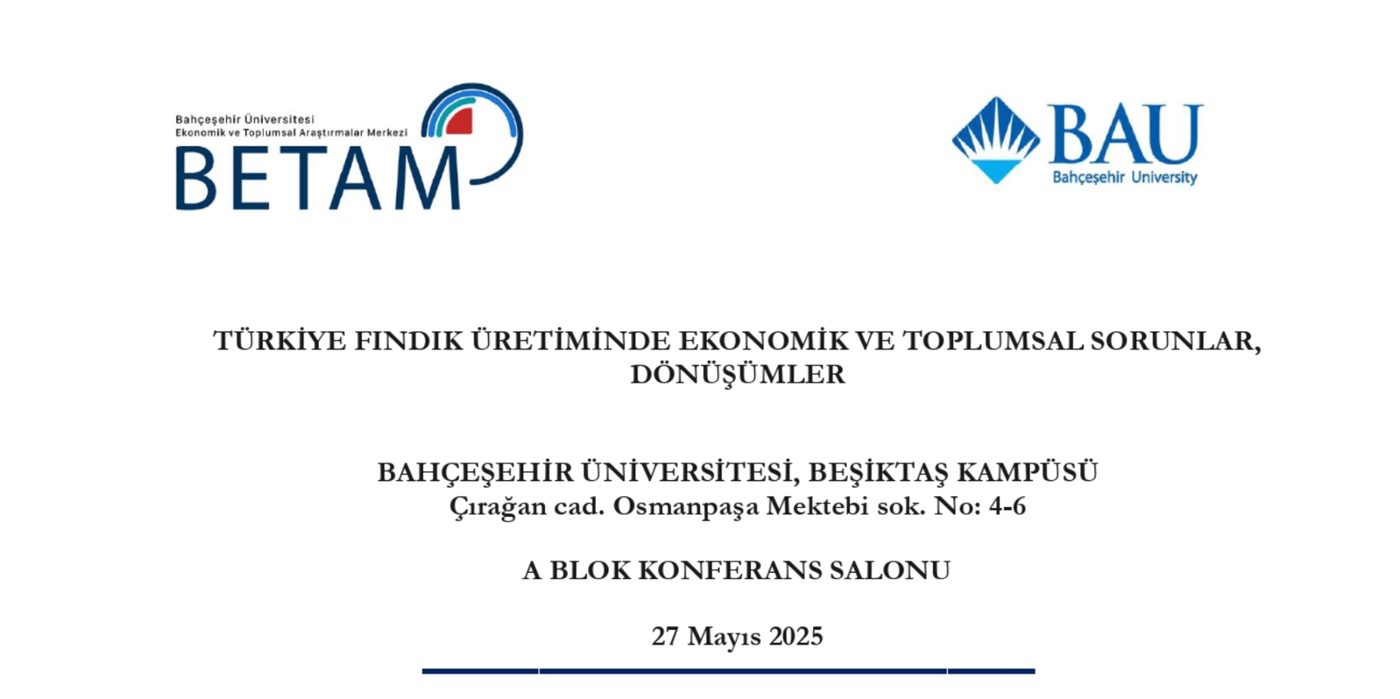
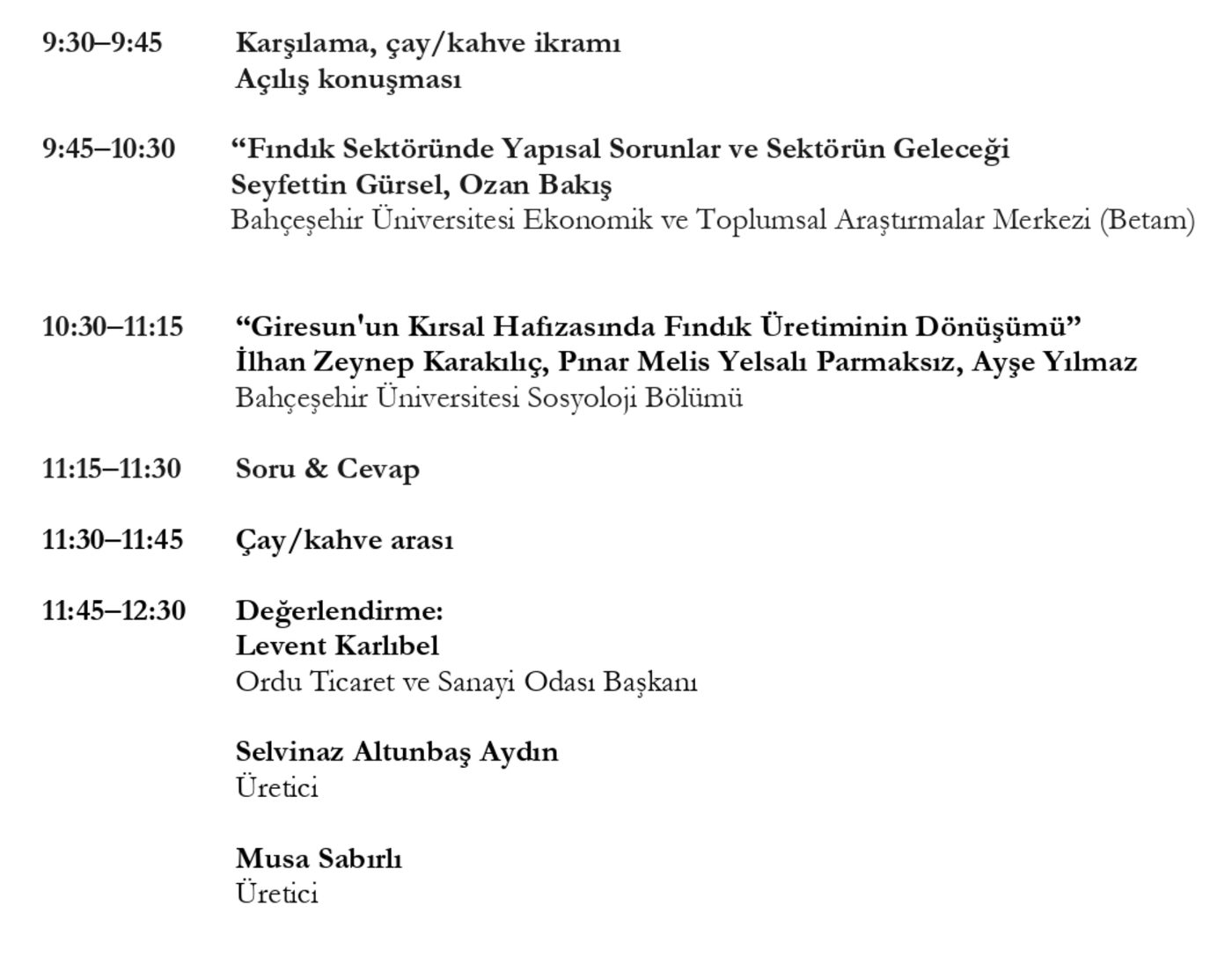
The images below show the conference programme, including the presentation sessions and stakeholder discussions.
7- BAUGO Sustainable Gastronomy Training: Community Education on Sustainable Management of Land for Agriculture
Bahçeşehir University (BAU) extends sustainability education beyond campus through BAUGO’s online course “Sustainable Gastronomy: In Pursuit of Delicious and Ethical Food,” delivered by Reha Tartıcı. Available to members of the public through enrolment on the BAUGO platform, the course provides an opportunity for local and national communities to learn about the environmental, social and economic dimensions of food systems. Its online format supports access to educational content beyond BAU’s enrolled student population.
The course includes the modules “From Farm to Table: Sustainable Gastronomy” and “Understanding the Principles of Sustainable Gastronomy.” These address sustainable management of land for agriculture, connecting responsible food production with the protection of the natural resources on which agriculture depends. This educational focus helps learners understand the importance of maintaining soil health and fertility, safeguarding agricultural ecosystems and considering the long-term productive capacity of land when evaluating the sustainability of food.
By linking agricultural production with gastronomy and everyday food choices, the training places responsible land use within a wider understanding of sustainable food systems. Its coverage of local and regional food systems, food waste reduction and sustainable practices complements this perspective. Through publicly available online learning, BAU supports educational outreach for local and national communities on sustainable management of land for agriculture, encouraging awareness of the relationship between healthy agricultural land and sustainable food production.
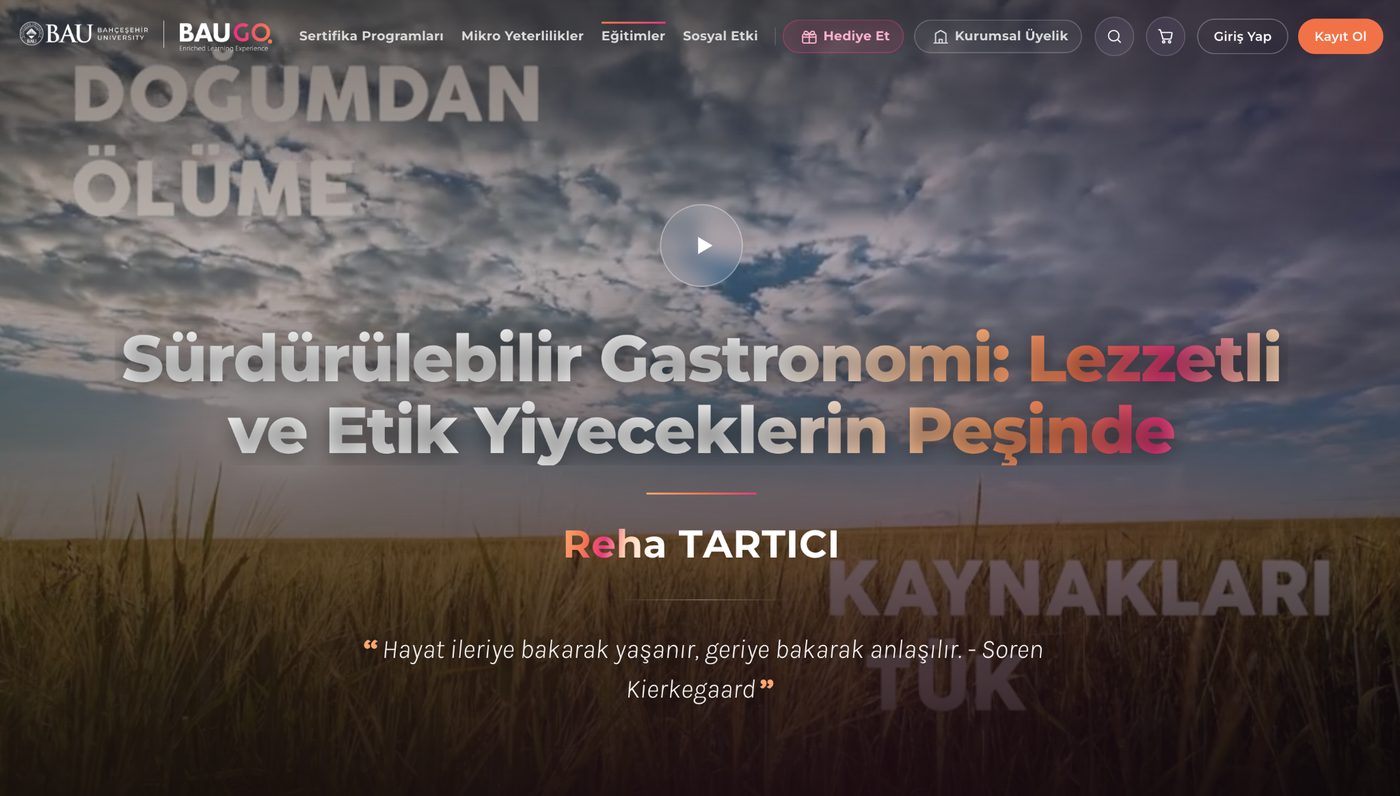
The image below shows the course’s homepage on BAUGO.
8- Advancing Sustainability Education and Community Outreach through CIFAL Istanbul–FAO Türkiye Collaboration
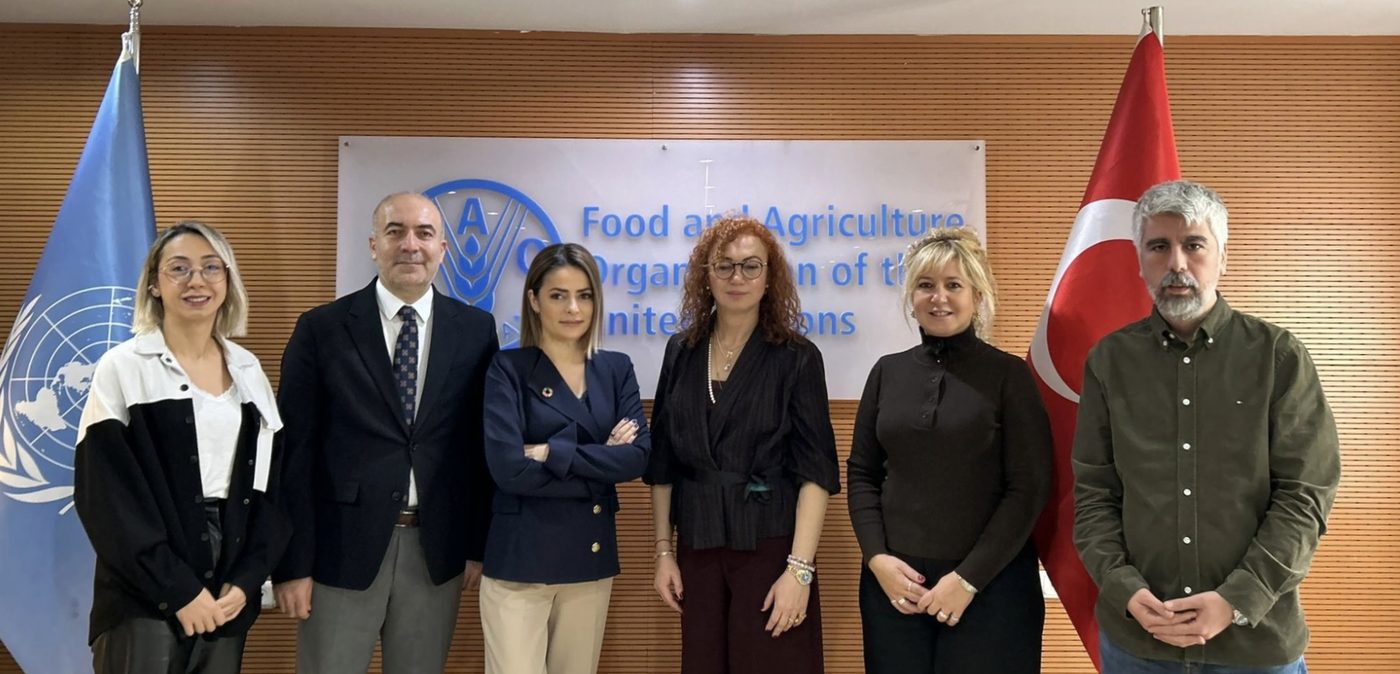
On 8 January 2025, Prof. Dr. Çisil Sohodol, Director of CIFAL Istanbul, visited the Food and Agriculture Organization of the United Nations (FAO) Türkiye Headquarters in Ankara to explore opportunities for strengthening institutional cooperation in sustainable agriculture, food security, and environmental education. Building on the existing partnership between CIFAL Istanbul and FAO Türkiye, the meeting focused on developing collaborative initiatives addressing global sustainability challenges, including regenerative agriculture, biodiversity conservation, responsible natural resource management, and the empowerment of agricultural communities. Particular attention was given to expanding educational awareness and promoting sustainability knowledge beyond academic institutions, emphasizing the importance of making environmental education accessible to different segments of society.
Within this framework, discussions specifically explored opportunities to develop and expand educational programmes for local and national communities on sustainable management of land for agriculture through BAU–FAO cooperation. The proposed direction would bring together BAU’s academic expertise, CIFAL Istanbul’s training capacity and FAO’s agricultural knowledge to support learning opportunities for farmers, agricultural producers and cooperative members. Potential training themes included protecting soil health and fertility, preventing land degradation, supporting agricultural biodiversity and maintaining the long-term productive capacity of agricultural land. These opportunities were considered in relation to helping communities understand how to use their land efficiently while preserving the natural resources and ecological processes that sustain production. Expanding educational outreach in this field would provide a means of translating institutional cooperation into practical knowledge sharing on responsible agricultural land use and the sustainability of rural livelihoods.
A key educational dimension of the discussions was the shared commitment to promoting sustainability education across all generations, beginning at the primary school level. The participants emphasized the importance of raising awareness about the interconnected roles of water, soil, biodiversity, environmental protection, and food systems in sustaining human life. Through its connection with Bahçeşehir University, CIFAL Istanbul provides a platform for linking academic expertise with community-oriented educational initiatives and international development priorities. The proposed collaboration highlighted opportunities to extend sustainability knowledge beyond university campuses to school communities, agricultural stakeholders, and wider public audiences. Discussions also addressed the potential for educational and capacity-building initiatives supporting women in agricultural cooperatives, particularly by strengthening awareness of sustainable agricultural practices and opportunities for women's participation.
The image below showcases a picture taken at FAO Türkiye Headquarters in Ankara from Prof. Sohodol’s visit:
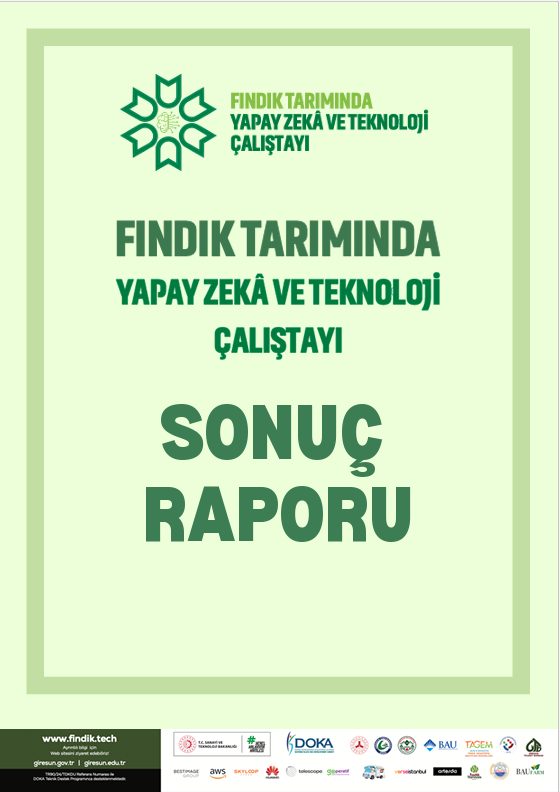
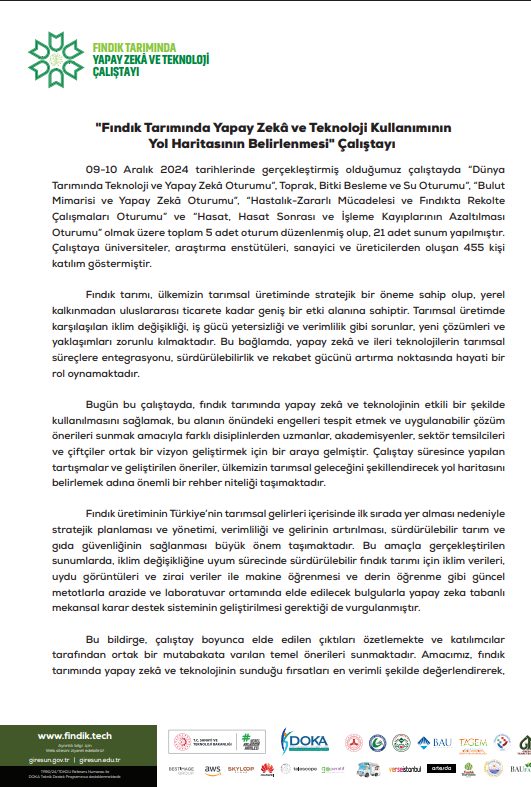
9- Educational Resources on Sustainable Management of Land for Agriculture: Hazelnut Farming Workshop Outcome Report
Held in Giresun during the 2024–2025 academic year, under the coordination of the Ministry of Agriculture and Forestry and the Giresun Governorship, the National Policy Forum on Artificial Intelligence and Technology in Hazelnut Farming brought together Bahçeşehir University (BAU), Giresun University, the Eastern Black Sea Development Agency (DOKA), and representatives from public institutions, academia and the private sector. BAU contributed expertise in AI applications, sustainable food systems and policy innovation to discussions on how agricultural technologies can improve productivity, resource efficiency and the responsible use of agricultural land.
An educational output of the event was the “Outcome Report of the Workshop on Artificial Intelligence and Technology in Hazelnut Agriculture.” Prepared following the discussions, the report was distributed for use as educational material and made available online, extending knowledge sharing beyond those who attended. It consolidated the forum’s findings and provided a resource for agricultural stakeholders and wider audiences to explore the relationship between technological innovation and sustainable management of land for agriculture. Its dissemination supported educational outreach to local and national communities by making the knowledge generated through the event accessible for further learning.
The report’s educational relevance lies in connecting agricultural digitalisation with the practical challenges of managing productive land over time. Themes such as informed farming decisions, efficient resource allocation and the responsible use of agricultural inputs offer a basis for understanding how technology can support land stewardship. In the context of hazelnut farming, these connections help explain why agricultural productivity should be considered alongside soil health, environmental conditions and the preservation of the natural resources on which rural livelihoods depend.
Through its contribution to the forum and the knowledge consolidated in the report, BAU supported the development of educational material relevant to sustainable management of land for agriculture. The report’s distribution and online availability broadened the reach of the event’s learning outcomes, providing a shared reference for producers, cooperatives, agricultural professionals and other interested community members.
The images below show the cover and first page of the outcome report.
10- Future AI Summit: Public Outreach on AI Applications in Sustainable Management of Land for Agriculture
Hosted by Bahçeşehir University (BAU) at BAU Future Campus, Future AI Summit brought together international organisations, researchers, entrepreneurs and industry experts to explore the applications of artificial intelligence across different sectors. Organised in collaboration with the Food and Agriculture Organization of the United Nations (FAO) Türkiye, the session “Artificial Intelligence in Smart Agriculture: Productivity and Sustainability” provided a publicly accessible educational panel, extending knowledge sharing beyond the university to local and national communities. Open to all interested participants, the session offered an opportunity to understand how AI practices can support sustainable management of land for agriculture.
The Food and Agriculture Organization of the United Nations (FAO) Türkiye, represented by Dr. Ayşegül Selışık, Deputy Representative, contributed expertise on sustainable agriculture and food systems. FAO’s participation helped connect AI applications with agricultural priorities, strengthening the panel’s educational focus on resource efficiency, soil health and sustainable management of land for agriculture.
A central educational theme was the use of AI-powered precision agriculture, data-driven decision-making and early warning systems to improve agricultural productivity while reducing unnecessary resource consumption. Discussions examined how these approaches can help farmers respond to environmental conditions, use agricultural inputs more precisely and make informed decisions about soil and water management. The connection to sustainable management of land for agriculture lay in using information about growing conditions to maintain productive land while limiting avoidable pressures on soil and surrounding ecosystems.
The session also connected smart agriculture with soil health, climate adaptation and the long-term resilience of agricultural landscapes. The discussion highlighted the importance of understanding the environmental conditions that sustain production. AI applications were presented as tools that can inform responsible cultivation and resource allocation, helping producers consider both current yields and the continued productive capacity of their land.
Through this open community learning opportunity, BAU and FAO Türkiye supported educational outreach on the relationship between technological innovation and responsible agricultural land use. By making expert knowledge accessible to audiences beyond enrolled students, the panel strengthened public understanding of how AI practices can contribute to sustainable management of land for agriculture, linking resource efficiency and agricultural resilience with the protection of terrestrial ecosystems.
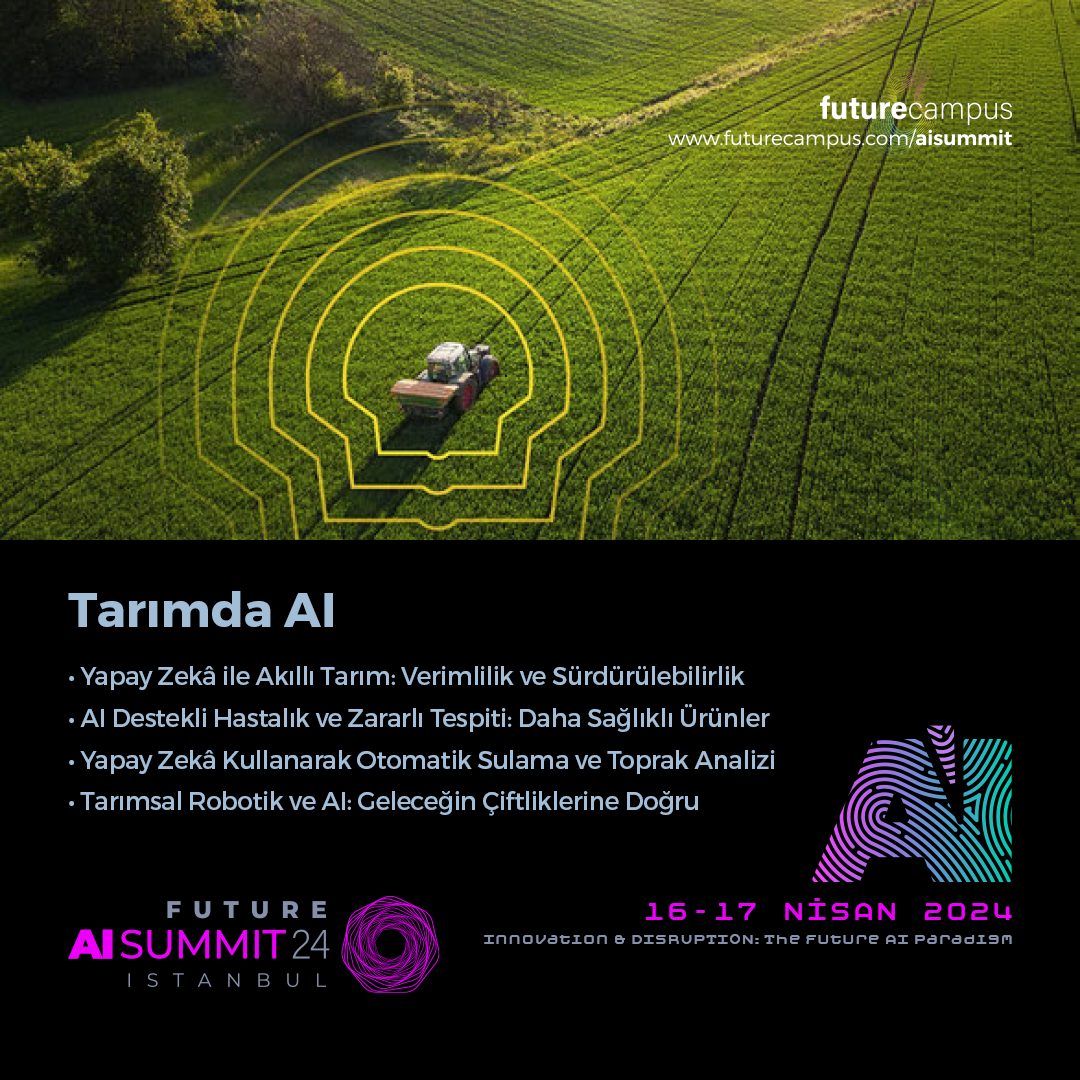
The image below shows the promotional poster for the session.