EN
15.2.4 - Education on Ecosystems, Wild Flora and Fauna
Bahçeşehir University (BAU) offers educational programmes and outreach activities that help local and national communities understand terrestrial ecosystems, wild flora and fauna, and the importance of conserving natural habitats. Through these activities, the University connects academic knowledge with accessible learning opportunities, supporting public understanding of the relationships between plants, animals and the environments on which they depend.
These programmes combine expert-led discussions with participatory workshops and nature-based learning. They introduce participants to ecological relationships, pressures affecting wildlife and vegetation, and responsible approaches to protecting biodiversity. Collaboration among academic units, student clubs, CIFAL Istanbul and external partners supports the University’s engagement with communities beyond its student and staff population.
The examples below present the educational content, community audiences and learning activities through which BAU supports ecosystem awareness and conservation knowledge in alignment with SDG 15: Life on Land.
1- Exploring Wild Flora, Fauna and Natural Ecosystems through Augmented Reality: EcoWorld Workshop at the Green Technology Science Festival
The official science festival poster presented below identifies
Bahçeşehir University as an institutional partner of the TÜBİTAK 4007
Science Festival, documenting the University's involvement in this
community-oriented educational initiative.
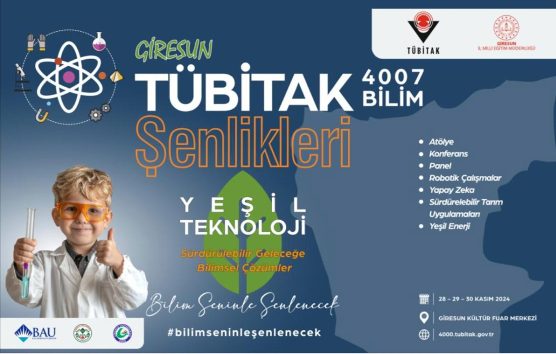
In 2025, Bahçeşehir University (BAU) participated as an institutional partner in the TÜBİTAK 4007 Science Festival, “Green Technology: Scientific Solutions for a Sustainable Future,” held in Giresun under the coordination of the Giresun Provincial Directorate of National Education, in collaboration with Giresun Municipality and Giresun University.
Designed to make scientific knowledge accessible to local communities, the festival brought together students, educators, and members of the public through 23 interactive workshops, two conferences, one panel, and one scientific public lecture. The programme addressed environmental sustainability, green technologies, renewable energy, and the protection of natural resources, creating opportunities for community engagement and experiential learning.
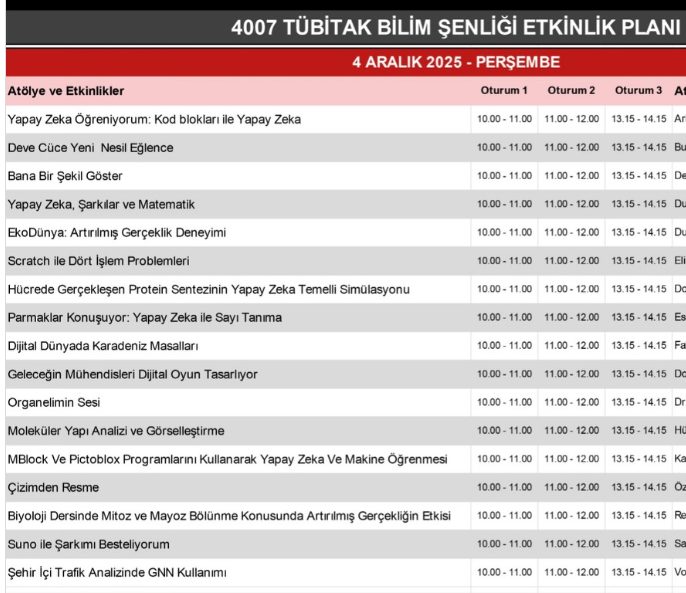
A particularly relevant activity for SDG 15: Life on Land was the “EcoWorld: Augmented Reality Experience” workshop, which introduced participants to natural ecosystems, wild flora and fauna, and biodiversity through interactive digital technologies.
Delivered across three educational sessions, the workshop enabled participants to explore plant and animal life, natural habitats, and the relationships between living organisms and their environments through augmented reality. By transforming ecological concepts into immersive visual experiences, the activity made biodiversity education more engaging and accessible, particularly for younger participants and community members.
The workshop emphasized the importance of understanding and protecting natural habitats, recognizing the ecological roles of wild plant and animal species, and developing awareness of the interconnectedness of terrestrial ecosystems. Its technology-enhanced approach provided an innovative means of communicating environmental knowledge beyond traditional classroom settings.
Through its institutional partnership in the festival and contribution to community-oriented science education, Bahçeşehir University supported educational outreach on wild flora, fauna, biodiversity, and ecosystem conservation, extending learning opportunities to local communities.
The photograph of the official Science Festival programme presented below documents the “EcoWorld: Augmented Reality Experience” workshop, including its three scheduled educational sessions, as part of the broader community-oriented science education initiative.
2- Bird Habitats: Learning, Conserving and Building — Community Education on Wild Birds, Natural Habitats and Urban Ecosystems
The event poster for “Bird Habitats: Learning, Conserving and Building” is presented below, documenting BAU's community-oriented educational initiative focused on wild birds, their natural habitats, biodiversity conservation, and hands-on learning.
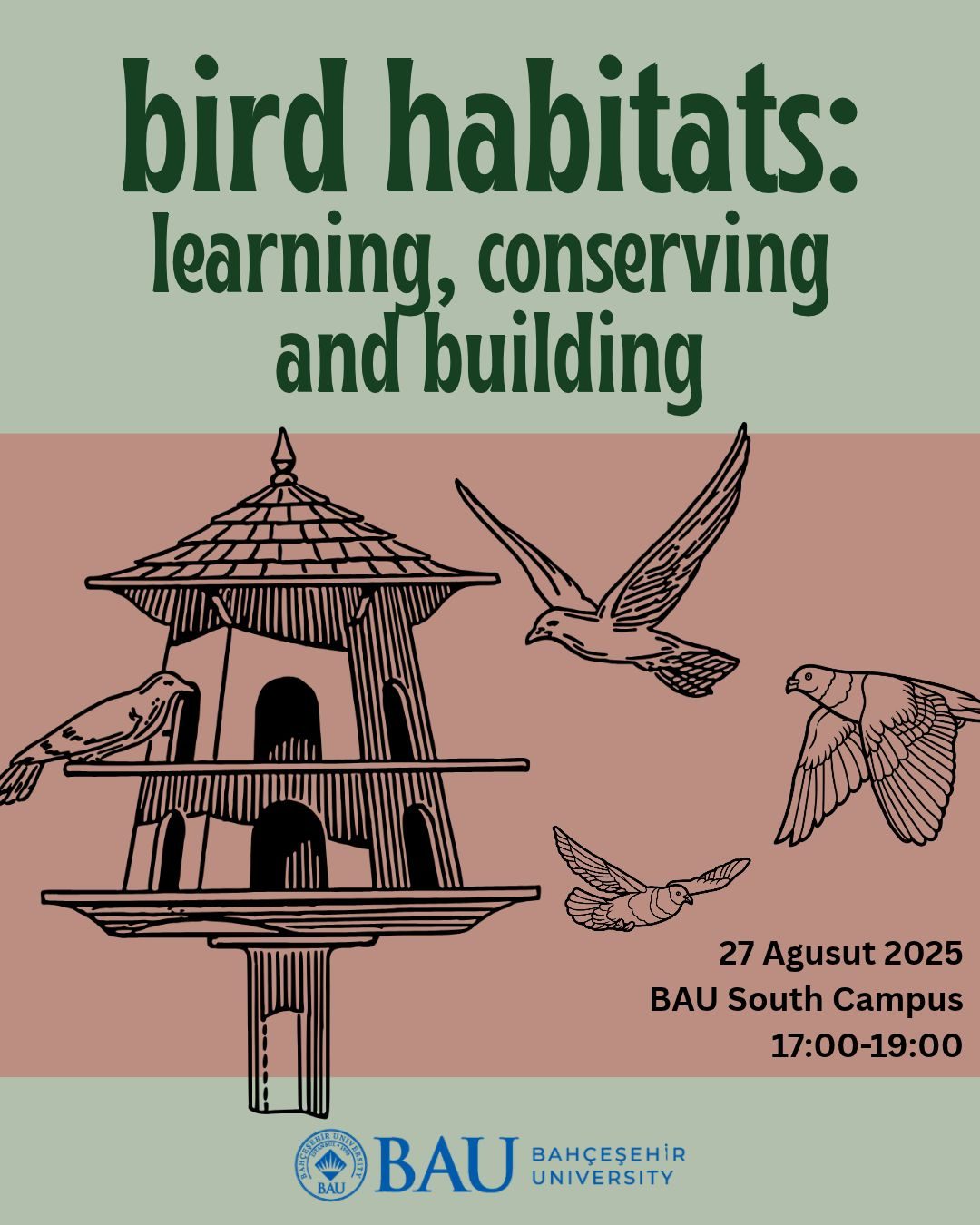
In 2024-2025 academic year, Bahçeşehir University (BAU), through BAU Bi'soluk Student Club and BAU CIFAL Youth, implemented “Bird Habitats: Learning, Conserving and Building,” a community-oriented educational programme designed to increase public understanding of wild bird species, their natural habitats, and their ecological roles within terrestrial ecosystems. Combining ecosystem education with hands-on birdhouse construction and habitat-support activities, the initiative provided opportunities for university students and members of local communities to learn about biodiversity conservation and participate in practical efforts to protect urban wildlife.
The programme welcomed BAU students, local residents, and members of the wider community interested in wildlife, biodiversity, and environmental conservation. By extending participation beyond the University, BAU made ecosystem education accessible to individuals from different backgrounds, encouraging community engagement in understanding and protecting wild fauna and their natural environments.
The educational component focused specifically on wild bird species, their habitat and nesting requirements, and their ecological importance within existing urban ecosystems. Participants learned about the relationships between birds, vegetation, and other components of terrestrial ecosystems, exploring how wild birds contribute to ecological processes and the maintenance of biodiversity. Particular attention was given to the environmental pressures affecting bird habitats, including urbanization, habitat fragmentation, declining green spaces, and the reduction of suitable nesting opportunities.
Through this learning experience, participants developed a broader understanding of how natural habitats support wildlife and why protecting the ecological conditions necessary for wild bird populations is essential to maintaining healthy urban ecosystems. The programme emphasized the interconnectedness of living organisms and their environments, highlighting the importance of conserving existing habitats and supporting biodiversity within human-dominated landscapes.
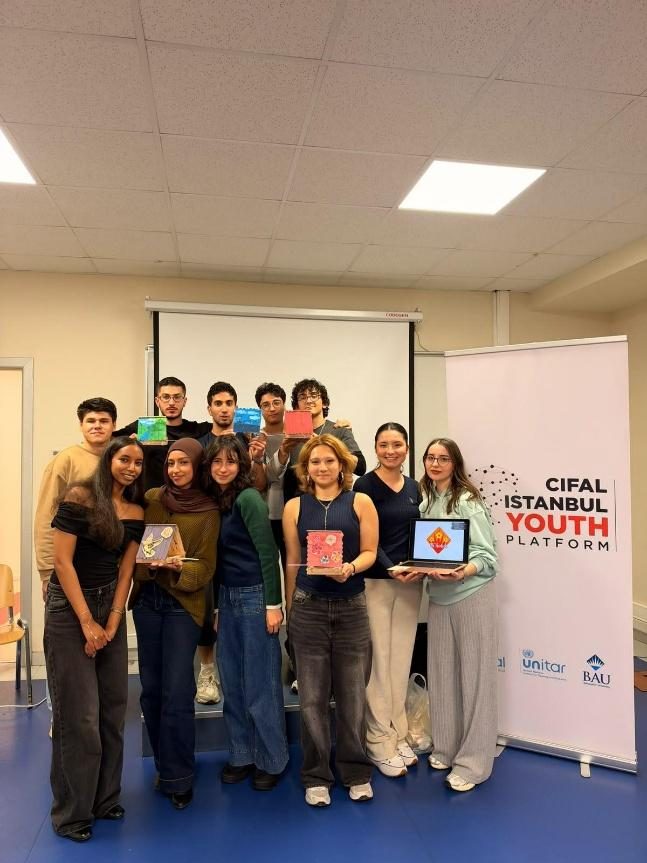
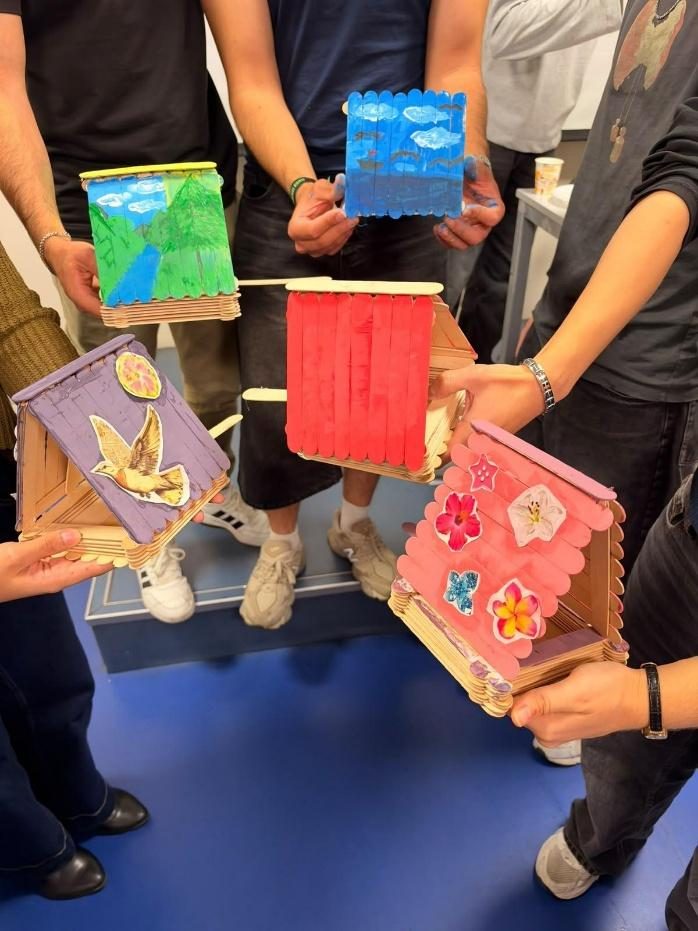
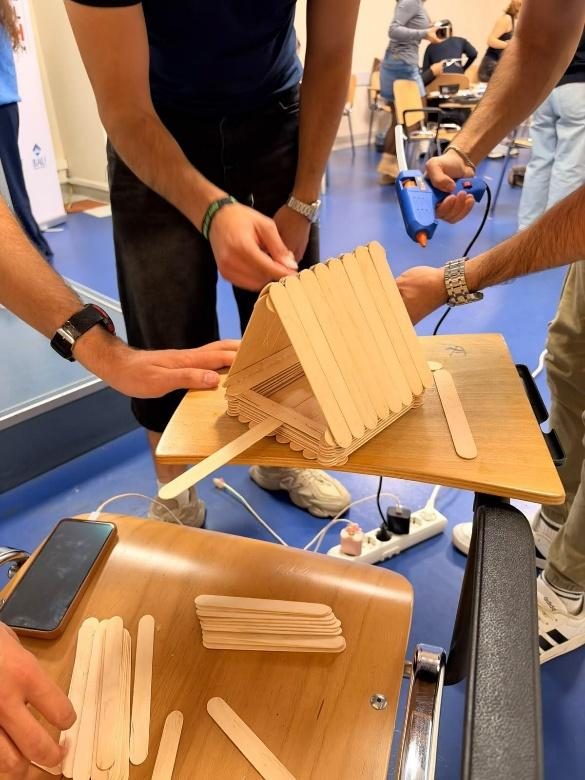
A central feature of the programme was its integration of ecosystem education with practical, experiential learning. Following the educational sessions, university students and local community participants worked together to construct birdhouses designed to provide additional shelter and potential nesting opportunities for wild birds. These hands-on activities enabled participants to apply their newly acquired understanding of bird habitat requirements, transforming ecological knowledge into tangible conservation-oriented action.
Importantly, the birdhouses constructed during the workshops were subsequently installed at locations across the BAU campus, extending the educational experience beyond the workshop setting. Their installation provided a practical demonstration of how knowledge about wild fauna and habitat conservation can inform local measures intended to support wildlife within existing urban ecosystems.
By involving local residents directly in both the educational and practical components, BAU encouraged community members to move beyond environmental awareness and become active participants in wildlife conservation. The initiative demonstrated how accessible, participatory educational programmes can strengthen public understanding of biodiversity while fostering shared responsibility for protecting natural habitats.
Through “Bird Habitats: Learning, Conserving and Building,” Bahçeşehir University contributed to SDG 15: Life on Land by providing community-accessible education on wild fauna, terrestrial ecosystems, and habitat conservation.
The images below show highlights from the event:
3- BAU Farm: Community Education on Native Flora, Biodiversity and Hazelnut Orchard Ecosystems
Bahçeşehir University (BAU), through its BAU Farm in Piraziz, provided ecosystem-focused educational activities for local farmers and members of agricultural cooperatives, promoting knowledge of native flora, biodiversity, and the ecological relationships within hazelnut-growing landscapes. These educational initiatives extended the University's environmental expertise directly to local agricultural communities, supporting greater understanding of the natural ecosystems on which rural livelihoods depend.
Located in Türkiye's Black Sea region, BAU Farm provides a practical setting for exploring the relationships between agricultural production and the surrounding natural environment. Hazelnut orchards are not simply areas of cultivation; they form part of broader terrestrial ecosystems in which cultivated trees, naturally occurring vegetation, soil organisms, and other living species interact. Understanding these relationships is essential to recognizing the ecological value of agricultural landscapes and the importance of protecting their biodiversity.
The educational activities were specifically directed towards local farmers and agricultural cooperatives, ensuring that ecosystem knowledge reached community members actively involved in agricultural production and rural land management. By engaging these groups, BAU connected environmental education with the experiences and practices of local communities, creating opportunities to explore how biodiversity conservation can be integrated into everyday agricultural decisions.
A central focus of the training was the natural flora of hazelnut-growing environments and the ecological importance of preserving naturally occurring vegetation. Participants explored the role of wild plants within agricultural ecosystems and the relationships between vegetation, soil conditions, and the wider ecological environment. The educational approach emphasized that plants growing naturally alongside cultivated crops are part of the surrounding ecosystem and should be understood in terms of their ecological functions.
BAU Farm's approach to naturally growing stinging nettles (Urtica dioica) beneath hazelnut trees provided a relevant practical example of this relationship. Instead of eliminating these plants through chemical herbicides, the Farm adopts a harvesting-based approach that recognizes naturally occurring vegetation as a resource. This practice illustrates how agricultural management can take account of native flora, soil ecosystems, and the ecological relationships that support biodiversity.
Through the educational activities, local farmers and agricultural cooperatives were encouraged to consider the importance of maintaining natural vegetation, understanding the interactions between cultivated and wild plant species, and reducing unnecessary pressures on existing ecosystems. By connecting ecosystem knowledge with familiar agricultural landscapes, the programme made biodiversity education directly relevant to the communities responsible for managing these environments.
The participation of agricultural cooperatives was particularly significant in extending ecosystem education through community-based agricultural networks. Their involvement broadened access to knowledge about native flora, biodiversity, and environmentally responsible land management, while recognizing the important role of local agricultural communities and the transmission of practical environmental knowledge.
By combining education on wild flora, the ecological characteristics of hazelnut orchards, and direct engagement with local farmers and agricultural cooperatives, Bahçeşehir University contributed to strengthening community understanding of terrestrial ecosystems and the importance of conserving their natural biological diversity.
These activities support SDG 15: Life on Land by providing local farmers and agricultural cooperatives with ecosystem education focused on native flora, ecological relationships and biodiversity conservation.
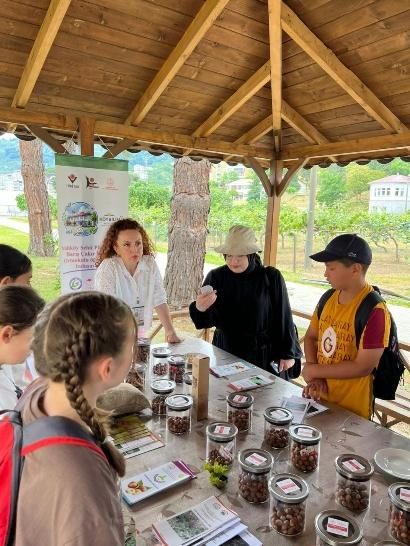
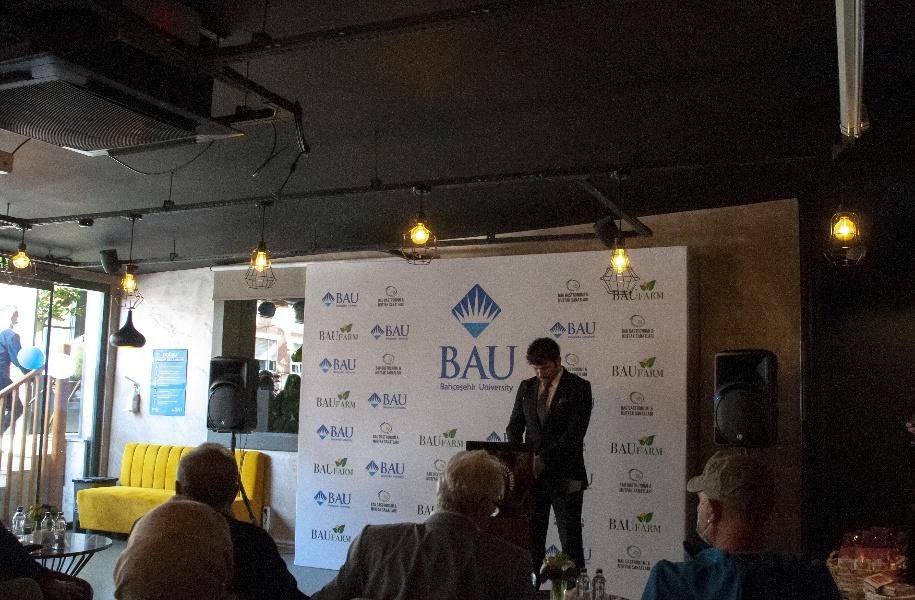
The photograph presented below documents a community education session conducted at BAU Farm, highlighting the University's efforts to engage local farmers and agricultural cooperatives in learning about native flora, biodiversity, and the ecological relationships within hazelnut orchard ecosystems.
4- Exploring Wild Flora, Fauna and Terrestrial Ecosystems: Community-Based Environmental Education at BAU Farm
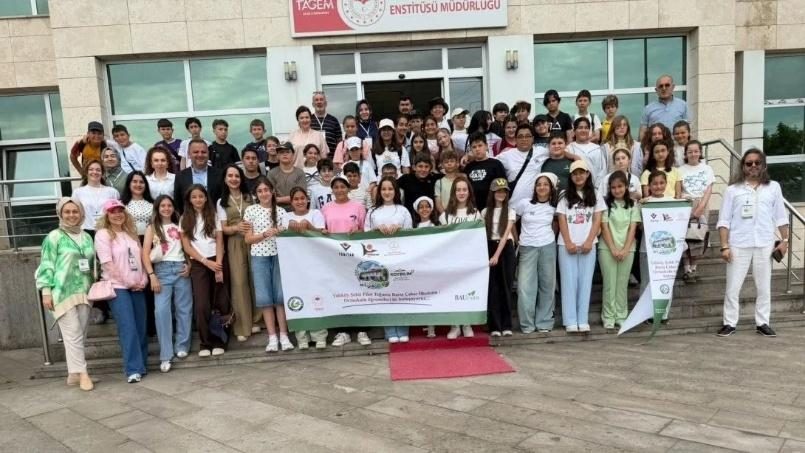
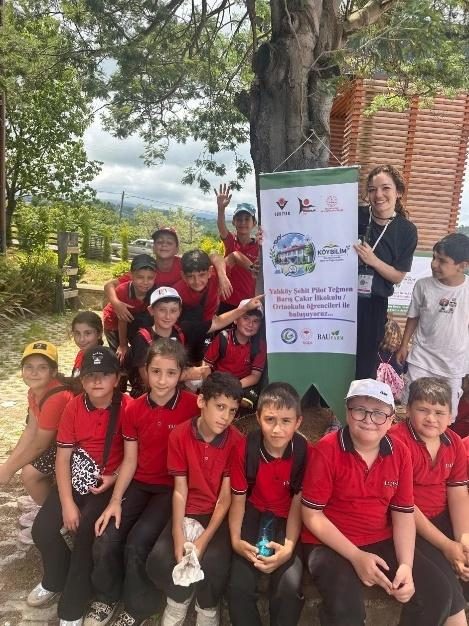
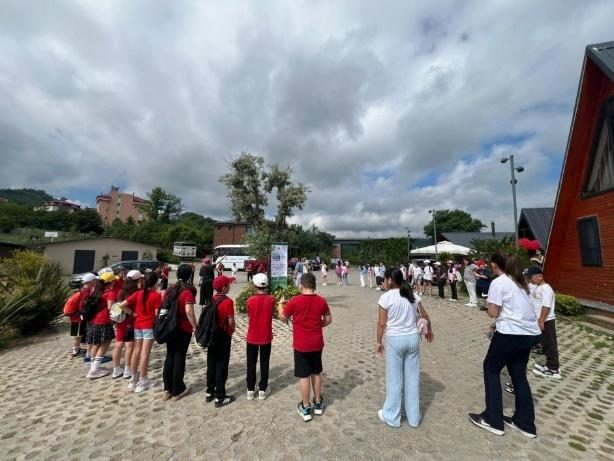
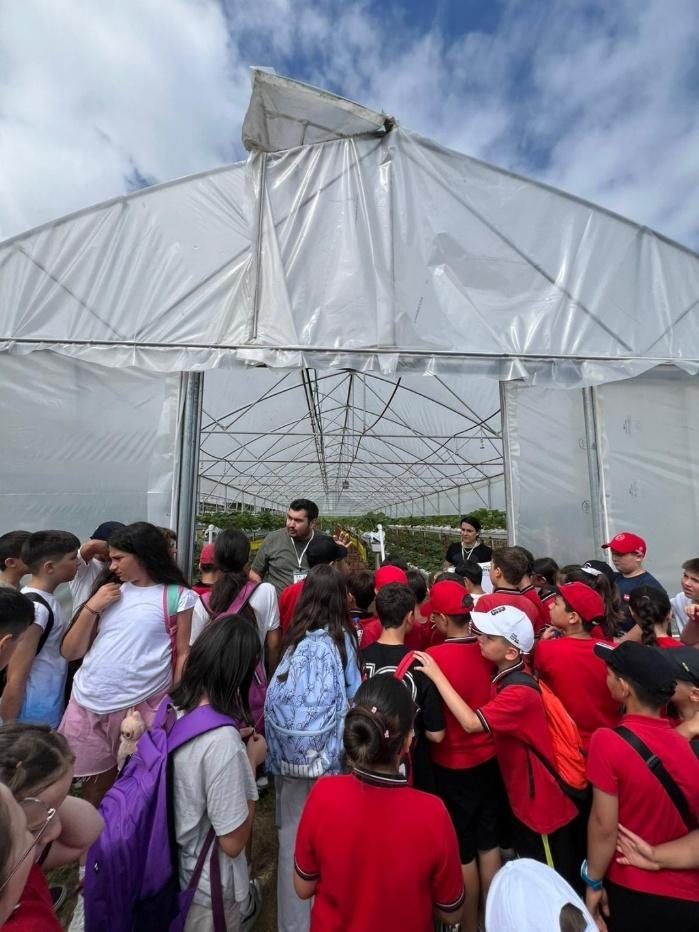
Bahçeşehir University (BAU), through its BAU Natural Living Farm, delivered an interactive environmental education programme for visiting school students from the local community, focusing on terrestrial ecosystems, biodiversity, plant and animal life, and the ecological relationships that sustain natural environments. Combining guided field visits, scientific observations, and hands-on workshops, the programme provided young participants with opportunities to explore ecosystems directly and develop a practical understanding of environmental conservation.
By welcoming local school students from outside the University, Bahçeşehir University Farm extended ecosystem education to the wider local community, making its natural surroundings, agricultural facilities, and scientific learning opportunities accessible to younger generations. The programme emphasized experiential learning, allowing participants to observe living organisms, investigate environmental samples, and explore the relationships between natural ecosystems and human activities.
A central component of the programme involved exploring flora and vegetation within BAU Farm's hazelnut-growing landscape. Students were introduced to the Farm's agricultural environment and the broader ecological relationships between plants, soil, and other living organisms. These experiences encouraged participants to recognize that agricultural landscapes are also terrestrial ecosystems whose functioning depends on the interactions of multiple biological and environmental components.
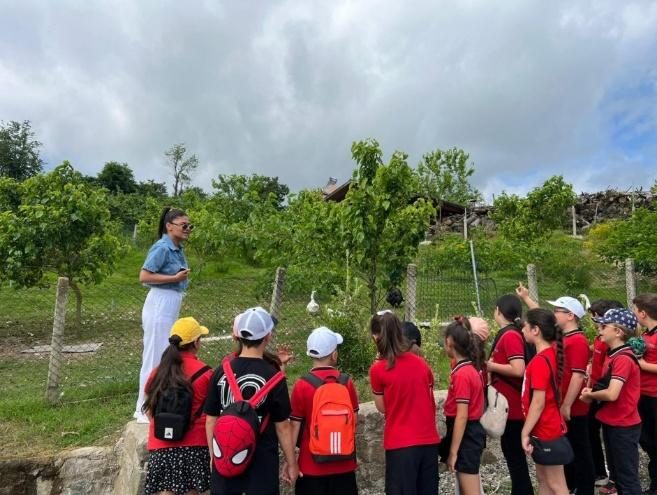
The study of fauna was another important element of the educational activities. Students participated in scientific observation exercises involving mosquitoes, introducing them to the examination of insects and the diversity of animal life found in terrestrial environments. The programme also provided opportunities to encounter and learn about farm animals, helping participants explore the relationships between animals, their environments, and responsible human interaction with living organisms.
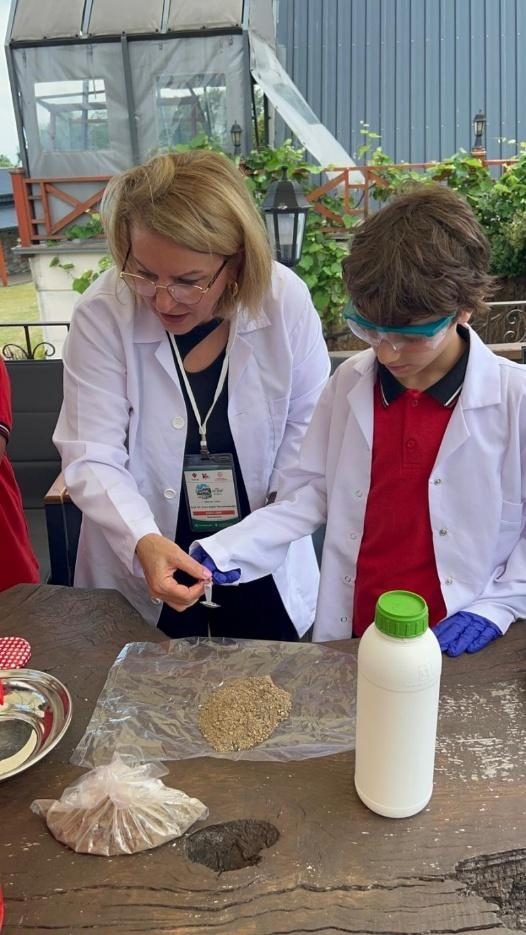
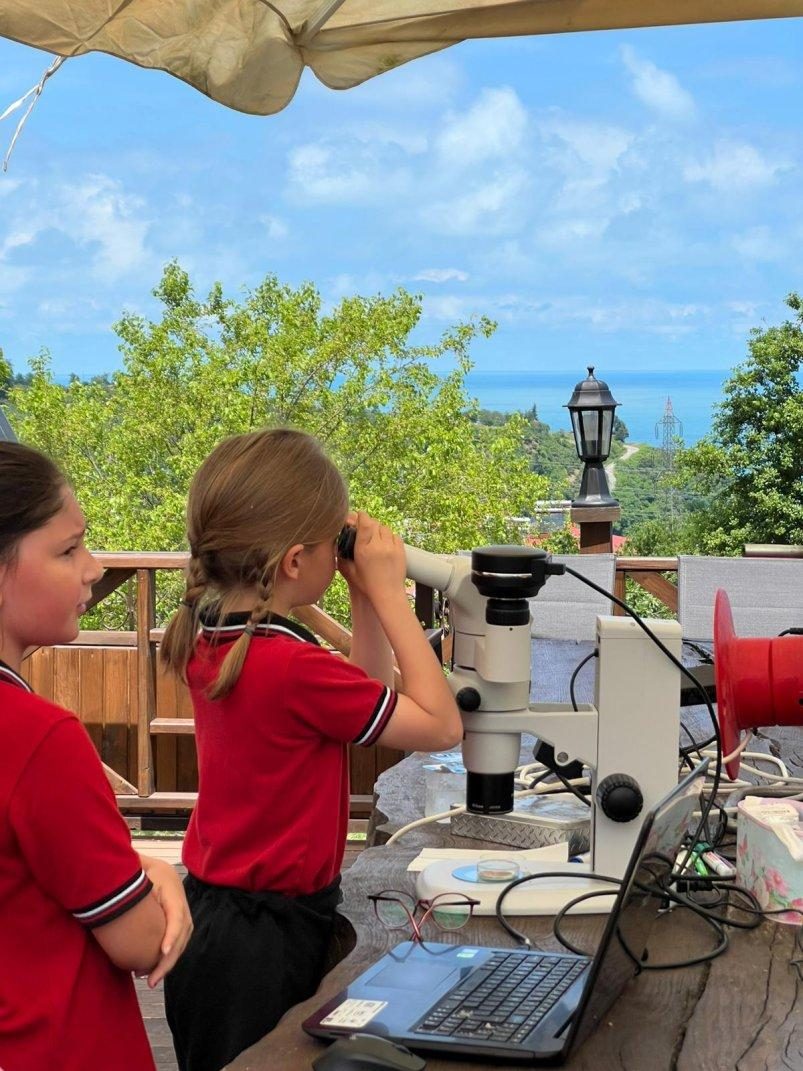
Scientific investigations further strengthened the programme's ecosystem education component. Through microscope-based examination of soil samples, students observed microplastics and explored environmental pollution within terrestrial environments. These activities introduced participants to the ways human-generated materials can enter soil systems and encouraged discussion of the environmental conditions necessary to support healthy ecosystems and biodiversity.
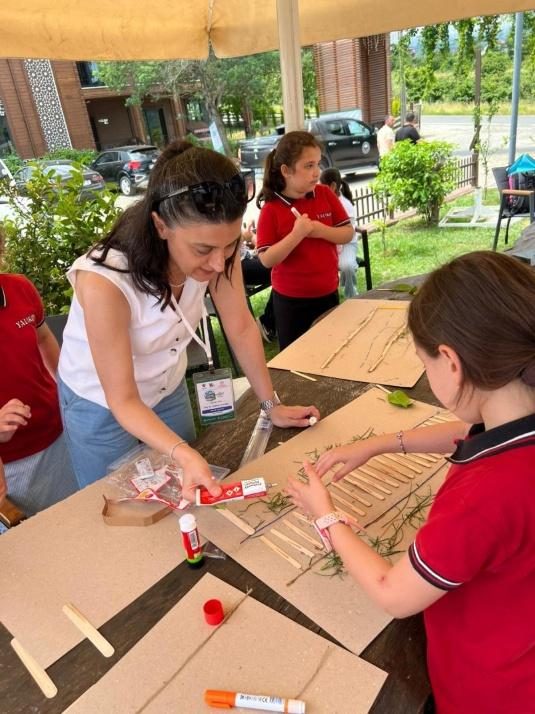
The programme also included on-site exploration of soilless agricultural practices and STEM workshops focused on designing innovative tools for hazelnut orchards. These activities complemented the ecological learning experience by demonstrating how scientific knowledge, technological innovation, and environmental responsibility intersect within agricultural landscapes.
Through guided visits, direct encounters with animal life, observations of insects, investigations of soil samples, and exploration of plant-growing environments, students gained a broader understanding of ecosystem functioning, biodiversity, and the interconnected relationships between flora, fauna, soil, and human activities. The programme connected environmental knowledge with practical experiences, helping young learners recognize the importance of maintaining the ecological conditions that support terrestrial life.
The initiative also highlighted BAU Farm's role as a community-accessible environmental learning environment, where university resources and expertise are shared with visiting school groups. By providing educational activities beyond the University's own student population, BAU contributed to strengthening ecological awareness and environmental understanding among local communities.
Through this programme, Bahçeşehir University provided local school students with practical education on terrestrial ecosystems, flora and fauna, biodiversity, and environmental conservation. By combining guided exploration, scientific observation, and hands-on learning, BAU strengthened young participants' understanding of the ecological relationships connecting plants, animals, soil, and human activities, while extending accessible environmental education to the wider community.
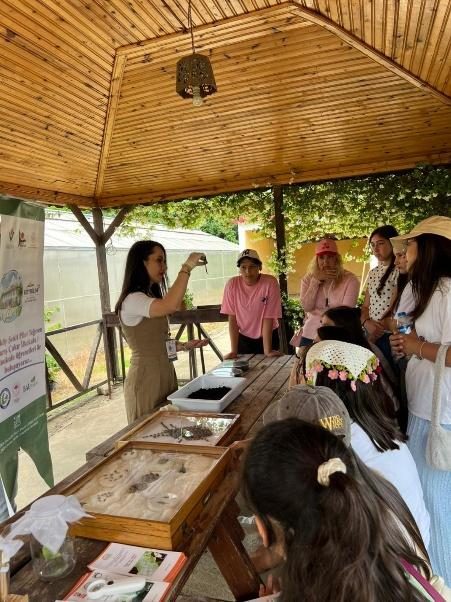
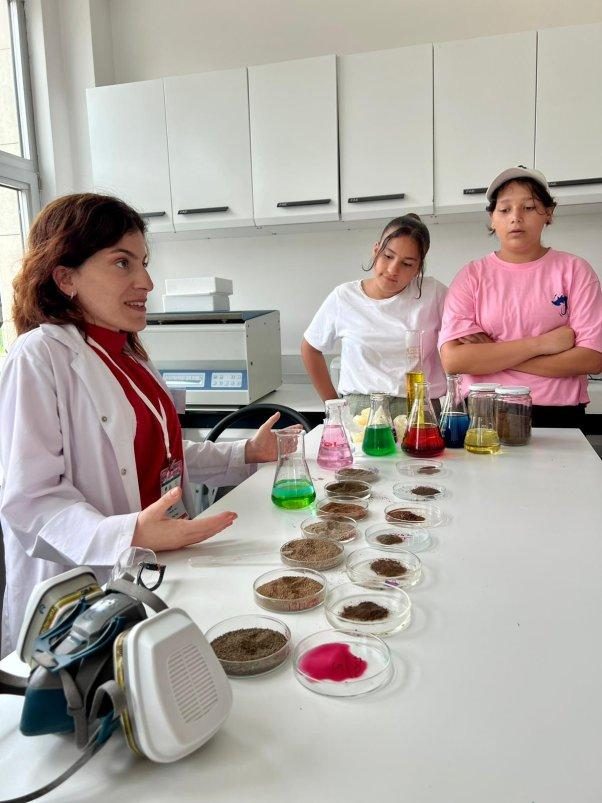
The photographs presented below document the ecosystem education programme conducted at BAU Farm for visiting school students, highlighting hands-on learning activities focused on flora and fauna, terrestrial biodiversity, and ecosystem functioning. They illustrate guided exploration of natural vegetation and agricultural habitats, observations of animal and insect life, scientific demonstrations, and microscope-based investigations of soil and environmental samples, demonstrating BAU's commitment to providing local communities with practical education on wild flora, fauna, and the conservation of terrestrial ecosystems.