





 EN
15.2.3 - Maintaining and Extending Current Ecosystems’ Biodiversity
Bahçeşehir University (BAU) contributes to maintaining and improving terrestrial ecosystems through practical activities supporting vegetation, wildlife habitats and the recovery of degraded natural areas. These efforts connect the University’s institutional resources, academic expertise, student participation and external partnerships with action to protect the ecological conditions on which plant and animal biodiversity depends.
BAU’s activities include afforestation and forest rehabilitation, participation in wildfire protection efforts, the creation and installation of bird nesting structures, and agricultural practices that reduce pressures on naturally occurring vegetation. Together, these interventions address different aspects of ecosystem conservation, from protecting existing habitats against damage to supporting the development of vegetation and additional shelter opportunities for wildlife.
The examples below demonstrate BAU's direct contributions to maintaining and extending terrestrial ecosystems through afforestation, habitat restoration, wildlife protection, sustainable agricultural practices, and community-based environmental action. Together, these initiatives reflect the University's commitment to protecting existing natural environments, supporting biodiversity, and strengthening the long-term ecological resilience of terrestrial ecosystems.
1- Bahçeşehir University Forest: Restoring Terrestrial Ecosystems and Supporting Biodiversity through 30,000 Trees in Soma
The photograph below shows the official sign installed at the afforestation site by the Aegean Forest Foundation (Ege Orman Vakfı), identifying the area as the Bahçeşehir University Forest. The sign provides visual evidence of the University's institutional contribution to the establishment of the forest in Soma, Manisa.
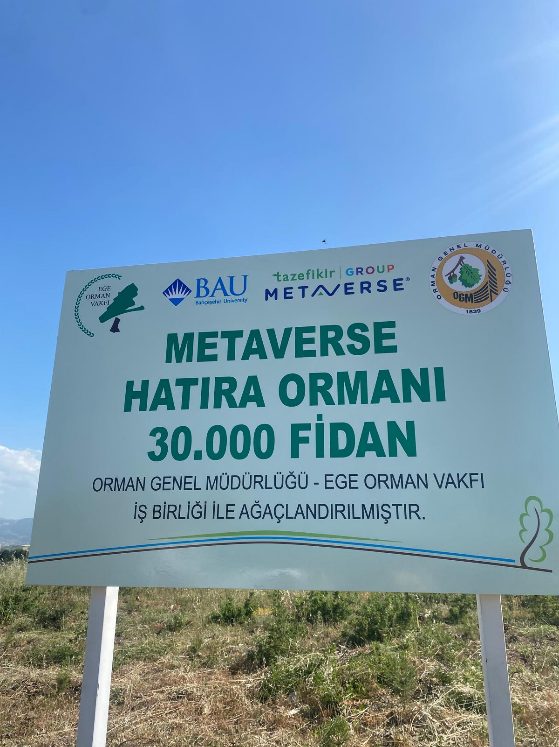
Bahçeşehir University (BAU), in collaboration with the Aegean Forest Foundation and Tazefikir Group, implemented a large-scale afforestation initiative that resulted in the establishment of the Bahçeşehir University Forest, comprising 30,000 trees in Soma, Manisa, Türkiye. The project represents a direct institutional contribution to the restoration and expansion of forest cover in a region facing significant environmental pressures associated with coal mining and energy production.
The initiative was developed through BAU's Metaverse Certificate Program, connecting education in emerging digital technologies with environmental responsibility. Academic staff voluntarily delivered the program without receiving teaching fees, while participants enrolled through sapling donations to the Aegean Forest Foundation. Through this model, 15,000 trees were funded by program-linked donations, with an additional 15,000 trees contributed directly by Bahçeşehir University.
The selection of Soma as the location for the forest was particularly significant. As a major coal-mining and coal-based energy production district, Soma has experienced environmental pressures associated with industrial activity, including impacts on land resources, vegetation, and surrounding ecosystems. Establishing new forest cover in this region contributes to broader efforts to improve environmental conditions and strengthen the ecological resilience of terrestrial landscapes.
Soma's longstanding coal-mining and energy-production activities have placed pressures on the surrounding environment, making the protection and recovery of terrestrial ecosystems particularly important. By establishing new forest cover in this region, BAU contributed to afforestation efforts intended to improve vegetation cover, support soil protection, and create conditions for the development of forest habitats.
The initiative directly addresses the University's responsibility to maintain and extend ecosystems and their biodiversity. The establishment of 30,000 trees supports the expansion of forest vegetation and the potential development of habitats for plant and animal species. As the forest matures, its continued protection and maintenance can contribute to ecological resilience and the long-term development of terrestrial biodiversity.
The establishment of the 30,000-tree forest constitutes a direct contribution to the expansion of terrestrial ecosystems and the creation of conditions that can support biodiversity over time. Forest ecosystems provide habitats for numerous plant and animal species, while vegetation cover contributes to soil protection, ecological stability, and the functioning of natural processes. Through afforestation, the project supports the development of forest vegetation and the potential for longer-term habitat recovery in an environmentally pressured landscape.
Importantly, BAU's involvement extended beyond financial contributions and program coordination to direct participation in tree-planting activities. University representatives visited Soma and took part in the planting process alongside representatives of the Aegean Forest Foundation, demonstrating the University's active institutional engagement in the establishment of the forest.
The initiative also reflects a longer-term approach to environmental responsibility. BAU supports the continued care, maintenance, and preservation of the forest, recognizing that the ecological value of afforestation depends not only on planting trees but also on their sustained growth and protection. This commitment connects the initial establishment of forest cover with the longer-term objective of maintaining a functioning terrestrial ecosystem.
Through this initiative, Bahçeşehir University demonstrates how institutional resources, academic expertise, educational program, and external partnerships can be mobilized to support ecosystem restoration and biodiversity conservation. The project goes beyond environmental awareness by translating the University's sustainability commitments into a measurable, practical intervention in the natural environment.
The Bahçeşehir University Forest provides evidence of the University's direct involvement in efforts to extend terrestrial ecosystems and support the ecological conditions necessary for biodiversity. By establishing a 30,000-tree forest in Soma, participating in planting activities, and supporting the forest's continued preservation, BAU contributes to afforestation and long-term ecosystem resilience in a region affected by environmental pressures.
The project illustrates Bahçeşehir University's direct institutional commitment to protecting and extending terrestrial ecosystems, combining measurable afforestation outcomes with ongoing responsibility for the development and preservation of forest landscapes.
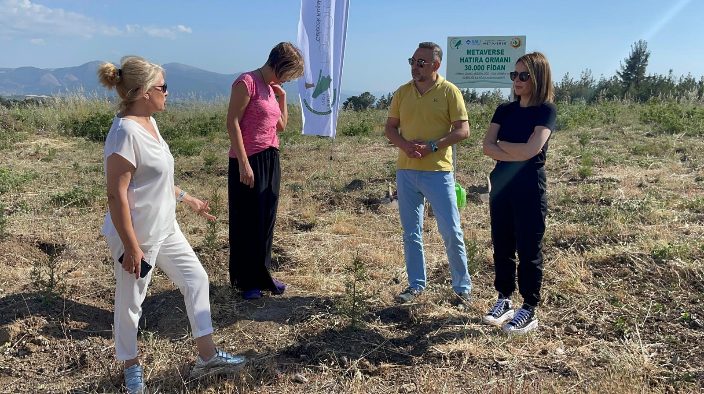
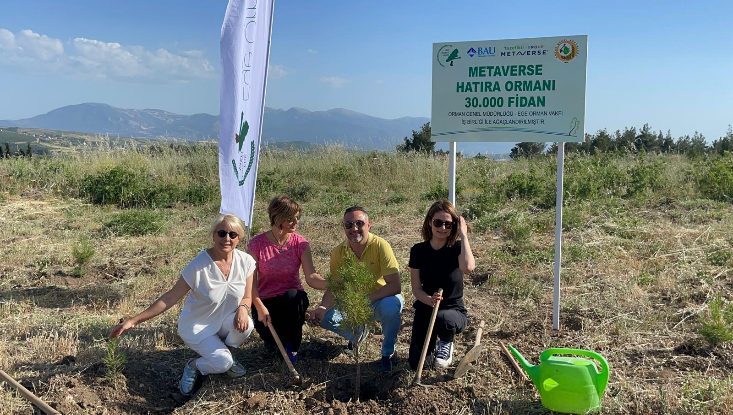
Photographs presented below document Bahçeşehir University's direct participation in the afforestation initiative in Soma, including the involvement of BAU representatives Prof.Dr. Çisil Sohodol and Lecturer Çağlar Gözüaçık in tree-planting activities alongside the Aegean Forest Foundation. These images provide visual evidence of the University's practical contribution to establishing the Bahçeşehir University Forest.
2- Supporting Forest Ecosystem Restoration and Biodiversity through Reforestation in Istanbul
The photographs below document the participation of BAU representatives in the reforestation initiative. The first photograph shows the BAU representatives who took part in the activity, while the second captures their direct involvement in tree planting efforts to support forest ecosystem restoration.
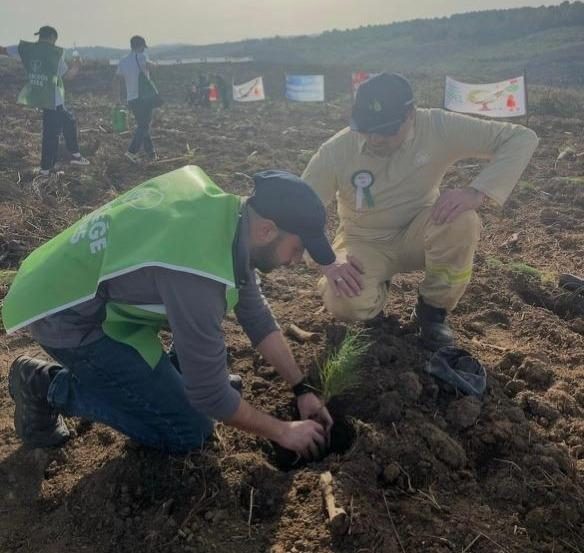
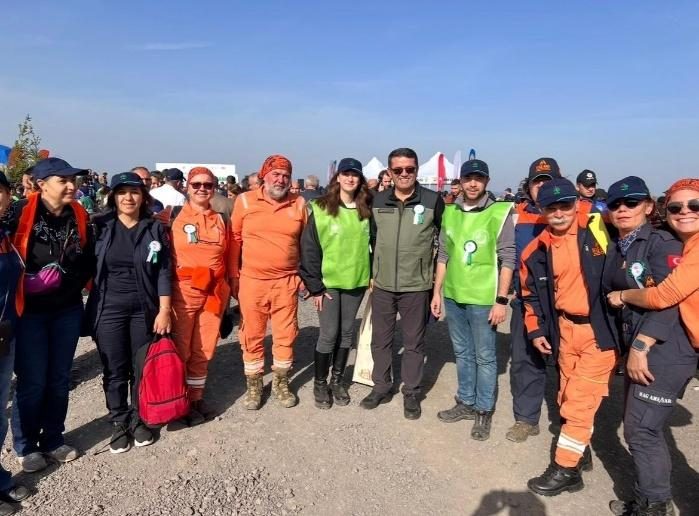
In the 2024-2025 academic year, representatives of Bahçeşehir University (BAU) and its center CIFAL Istanbul participated in a reforestation initiative in Istanbul, contributing directly to the rehabilitation of a forest area severely affected by wildfires.
The initiative focused on supporting the recovery of a damaged terrestrial ecosystem through tree planting and reforestation activities. By participating in the restoration of a fire-affected forest landscape, BAU and CIFAL Istanbul representatives contributed to practical efforts aimed at restoring vegetation cover, supporting the regeneration of forest habitats, and creating conditions conducive to the long-term recovery of local biodiversity.
Forest ecosystems provide essential habitats for a wide range of plant and animal species. Their restoration following wildfire damage is therefore an important component of maintaining terrestrial biodiversity and strengthening ecological resilience. The participation of BAU and CIFAL Istanbul representatives connected the University's sustainability commitments with practical environmental restoration efforts in an ecosystem affected by environmental degradation.
This activity directly demonstrates the participation of Bahçeşehir University and CIFAL Istanbul representatives in hands-on efforts to restore a damaged forest ecosystem and support the ecological conditions necessary for biodiversity recovery. It also contributes to the objectives of SDG 13: Climate Action through ecosystem rehabilitation and SDG 17: Partnerships for the Goals through collective environmental action.
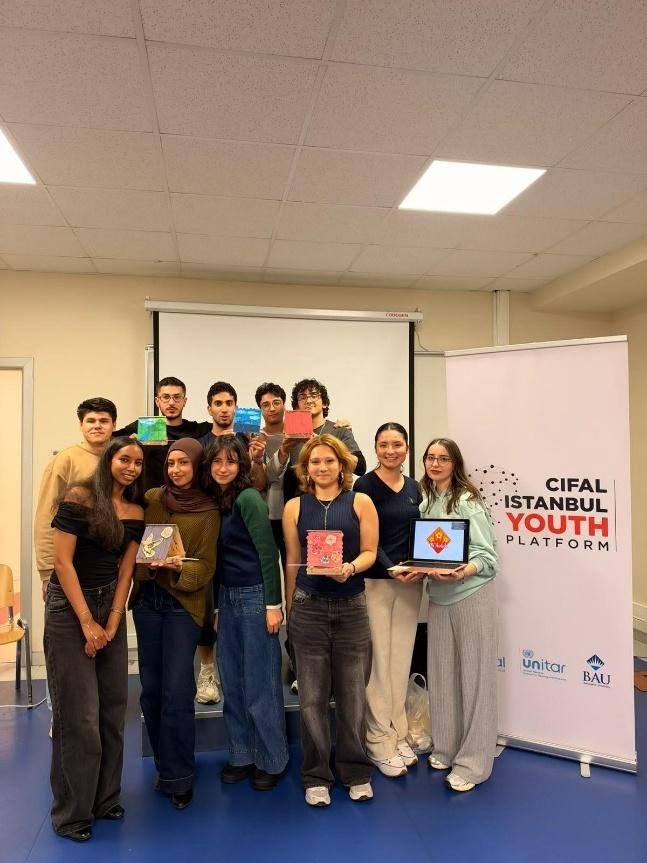
3- Bird Habitats: Learning, Conserving and Building — Direct Community Action to Create and Install Bird Nesting Habitats within BAU's Campus Ecosystem
The event poster for “Bird Habitats: Learning, Conserving and Building” is presented below, documenting BAU's community-oriented educational initiative focused on wild birds, their natural habitats, biodiversity conservation, and hands-on learning.
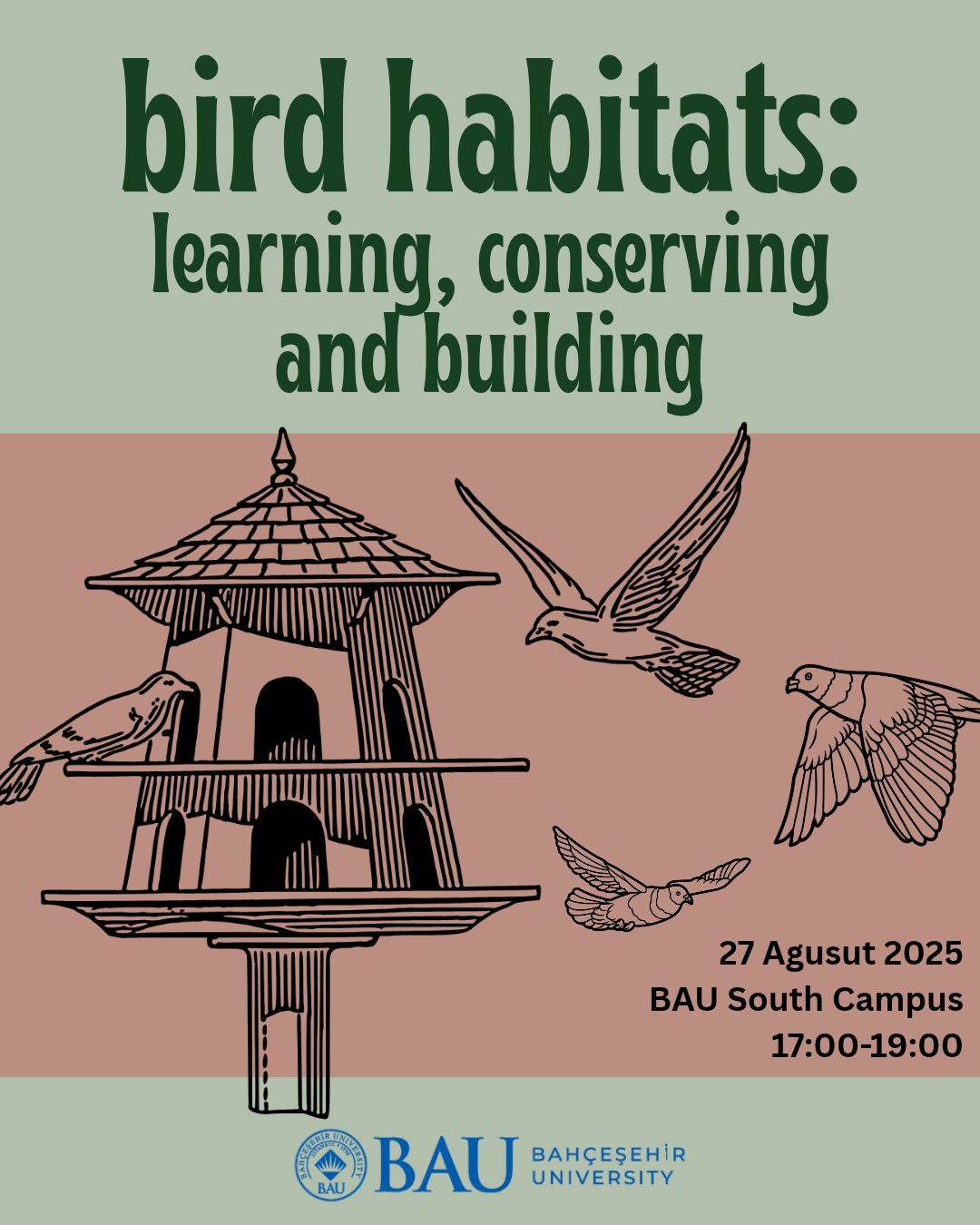
In 2025, Bahçeşehir University (BAU), through BAU Bi'soluk Student Club and BAU CIFAL Youth, implemented “Bird Habitats: Learning, Conserving and Building,” a community-engaged biodiversity conservation initiative focused on the construction and installation of bird nesting houses to support wild birds within the University's existing campus ecosystem. Bringing together university students and members of local communities interested in wildlife protection and environmental conservation, the initiative transformed ecological awareness into direct, practical action to improve habitat conditions for urban wildlife.
Urbanization, habitat fragmentation, declining green spaces, and increasing human activity can reduce the availability of suitable nesting and shelter sites for wild birds. Recognizing these pressures, BAU undertook a practical intervention to support existing urban habitats by creating additional potential nesting spaces for birds through the construction and installation of purpose-built birdhouses.
A central component of the initiative was the active involvement of local community members alongside BAU students in the birdhouse construction process. Open to individuals from outside the University who shared an interest in biodiversity, wildlife conservation, and environmental sustainability, the programme provided an opportunity for the wider community to participate directly in habitat-support activities. The initiative engaged participants in producing physical structures intended to support wild bird habitats.
The programme began with an educational component addressing wild bird species, their ecological roles, natural habitats, and nesting requirements. Participants explored the relationships between birds, vegetation, and urban ecosystems, as well as the environmental pressures affecting the availability of suitable nesting sites. This ecological understanding informed the subsequent practical activities, connecting knowledge of wildlife habitat needs with the construction of birdhouses.
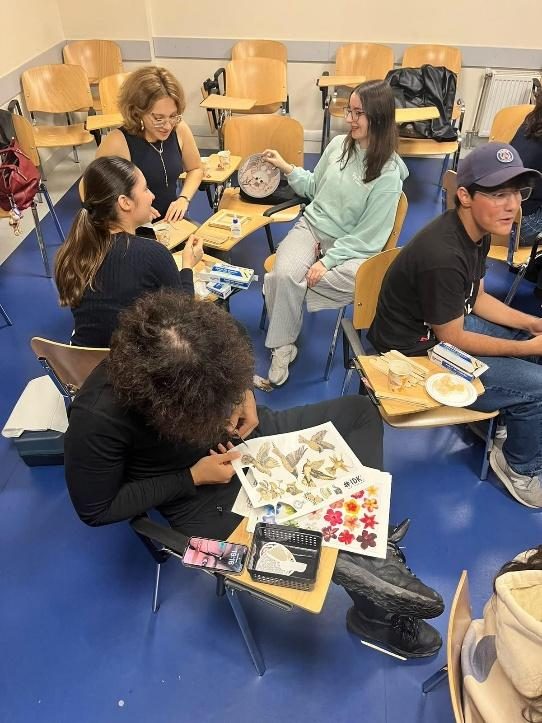
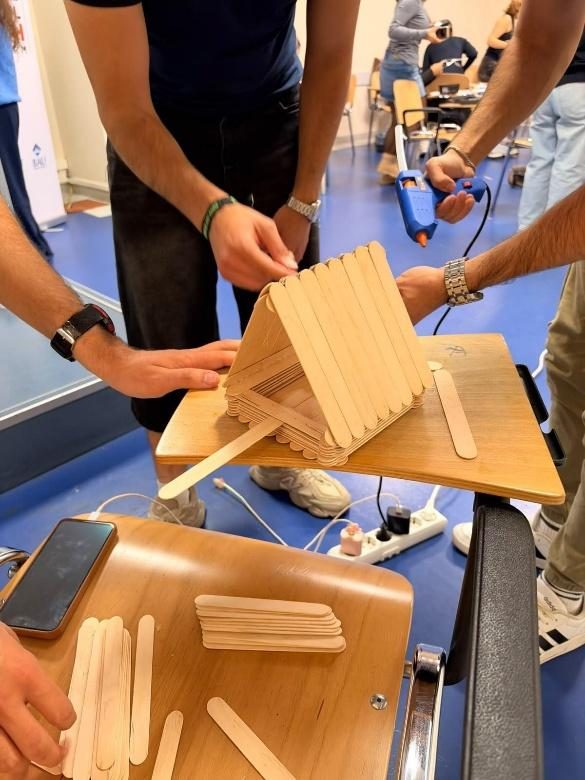
During the hands-on workshops, students and local community participants worked together to build birdhouses designed to provide additional shelter and potential nesting opportunities for wild birds. The construction activities constituted a tangible conservation-oriented intervention, enabling participants to contribute directly to improving the availability of habitat-support structures within an existing urban environment.
Importantly, the birdhouses produced during the initiative were subsequently installed at locations across the local area, extending the impact of the workshops beyond the educational setting. Their placement transformed the structures created by participants into practical habitat-support measures intended to provide additional nesting and shelter opportunities for wild birds within the University's existing terrestrial ecosystem.
By integrating community participation, birdhouse construction, and local neighborhood installation, BAU established a direct connection between public engagement and practical biodiversity conservation. The initiative demonstrated how a university campus can serve as a setting for locally implemented habitat-support activities, while enabling interested community members to participate actively in protecting wildlife.
The initiative contributes to SDG 15: Life on Land by implementing physical measures intended to maintain and improve habitat conditions for wild birds within an existing urban ecosystem. Its principal contribution lies in the creation and installation of bird nesting houses, which provide additional potential shelter and nesting sites and support efforts to maintain a more wildlife-friendly campus environment.
Through “Bird Habitats: Learning, Conserving and Building,” Bahçeşehir University demonstrated direct institutional engagement in maintaining existing ecosystems and supporting biodiversity by creating and installing bird nesting structures that provide additional potential shelter and nesting opportunities for wild birds.
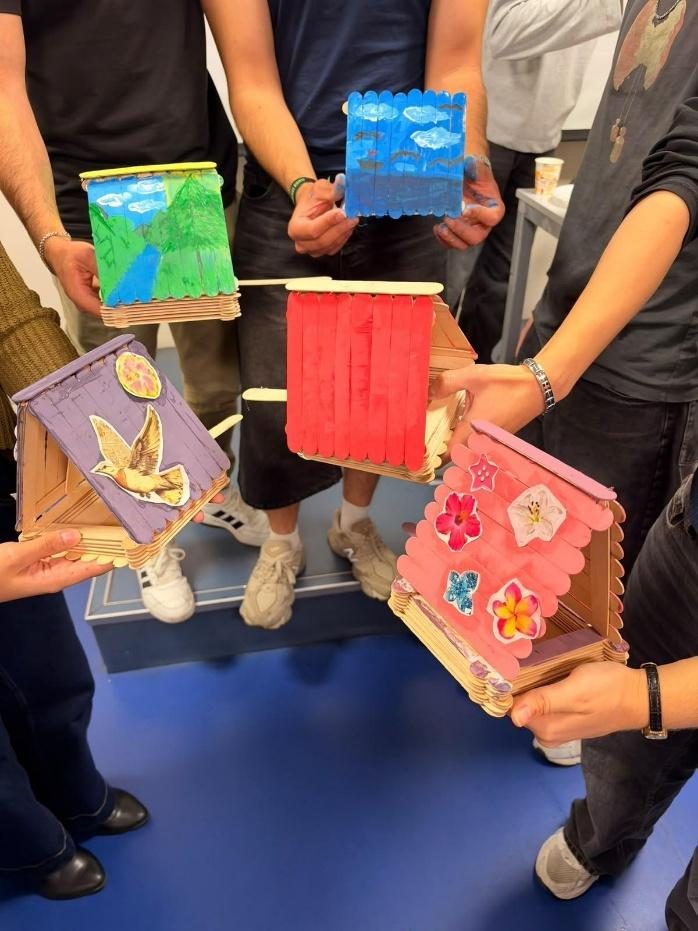
The photographs presented below document the birdhouses constructed and installed on the BAU campus in the hands-on workshops, highlighting their collective contribution to supporting wild bird habitats and protecting urban biodiversity.
4- Clean Steps for a Greener Future: BAU Young TEMA Student Club Environmental Cleanup in Burgazada
Members of the Bahçeşehir University (BAU) Young TEMA Student Club organised an Environmental Cleanup in Burgazada, engaging student volunteers in the protection of the island’s natural areas. The activity combined practical waste collection with environmental awareness, encouraging participants to take an active role in land conservation and the protection of terrestrial habitats. Through this student-led initiative, BAU supported community engagement with the care of natural landscapes.
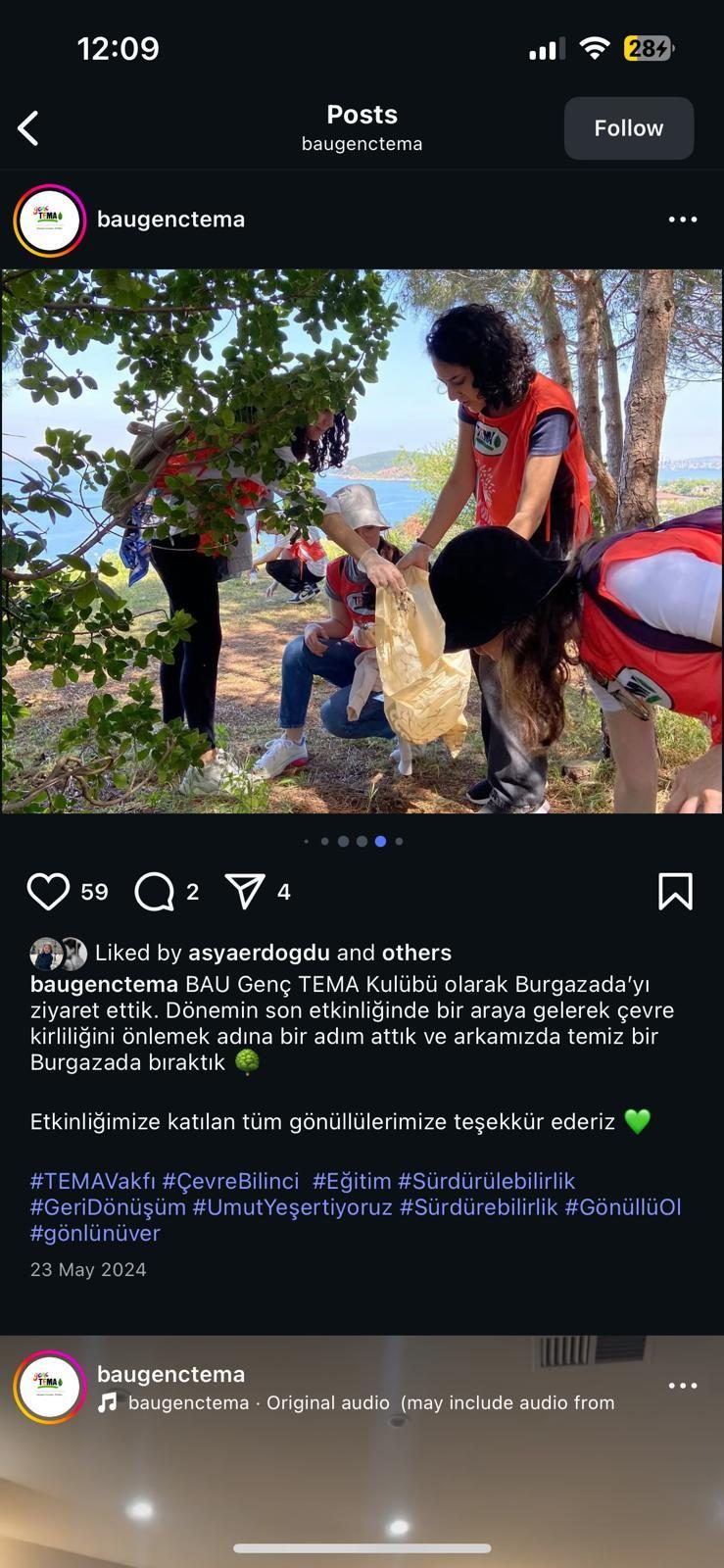
Volunteers collected waste from the island’s natural surroundings, helping remove litter and reduce pollution pressures on the areas covered by the cleanup. The activity highlighted the importance of keeping natural habitats free from discarded materials and preventing waste from accumulating in environments that support plant and animal life. By directly participating in the cleanup, students connected environmental responsibility with practical action to protect land and preserve the condition of existing ecosystems.
At the end of the activity, participants sorted the collected waste by type to support recycling and circular economy practices. This step extended the focus from removing litter to considering the responsible management of the materials collected. The event encouraged students to adopt sustainable habits, reduce their environmental impact, and recognise how everyday choices and collective action can contribute to the protection of natural areas.
Through the direct removal of litter from Burgazada’s natural terrestrial areas, BAU students contributed to maintaining existing habitat conditions and reducing waste-related pressures on environments supporting plant and animal life. The initiative supports SDG 15: Life on Land through practical habitat care and pollution reduction, and its contribution lies in the documented cleanup of the areas concerned.
Through this initiative, BAU promoted SDG 15: Life on Land by supporting an organised activity focused on preventing land pollution, conserving natural habitats, and strengthening awareness of terrestrial ecosystem protection. The Burgazada cleanup provided students with an opportunity to contribute directly to caring for the island’s environment while reinforcing a shared responsibility for safeguarding natural landscapes and the biodiversity they support.
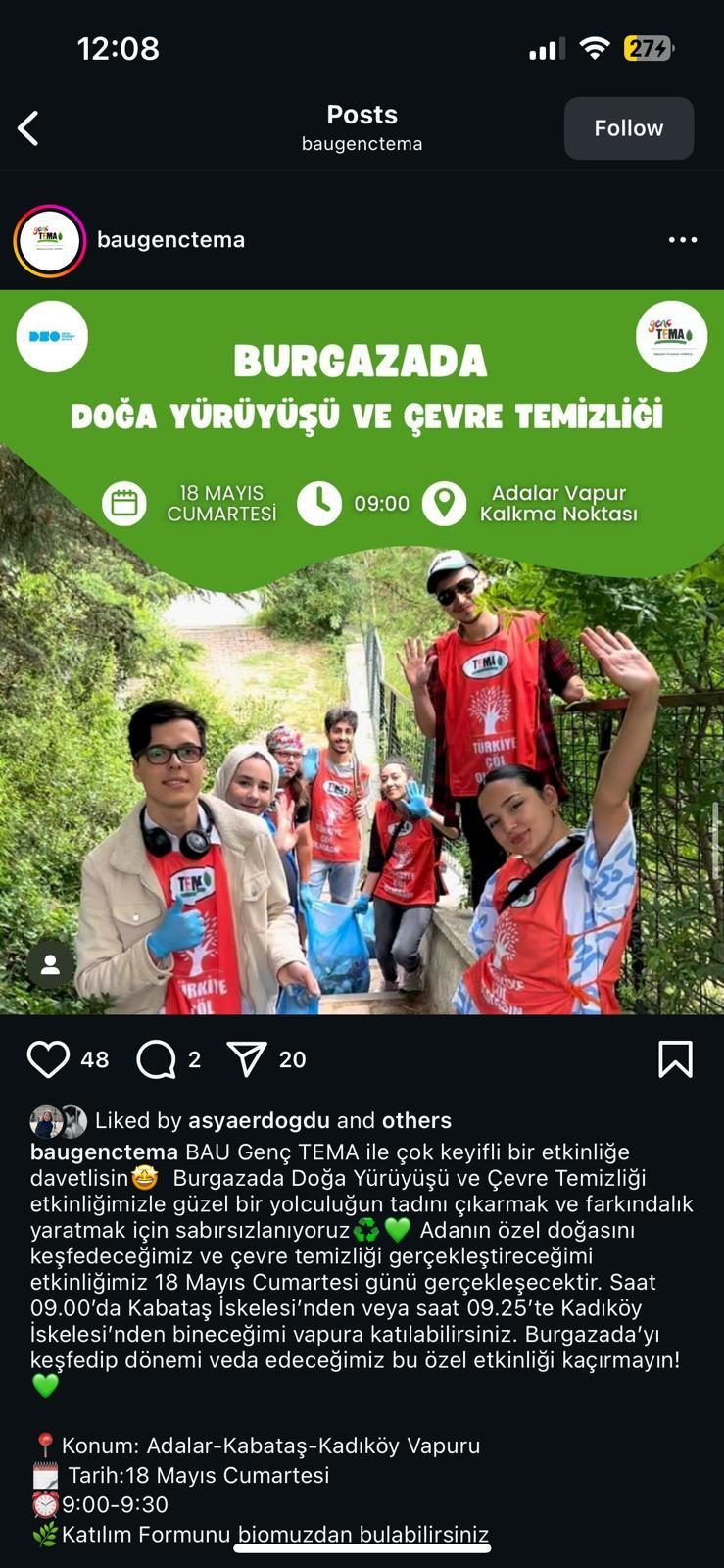
The images below show the event poster and a photograph from the BAU Young TEMA Student Club’s environmental cleanup in Burgazada.
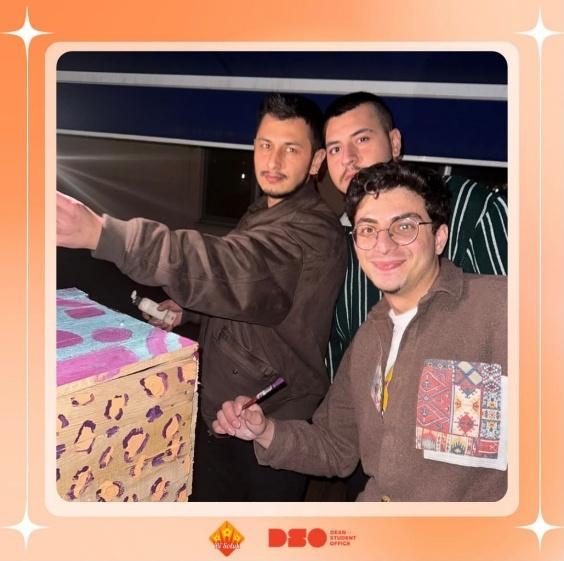
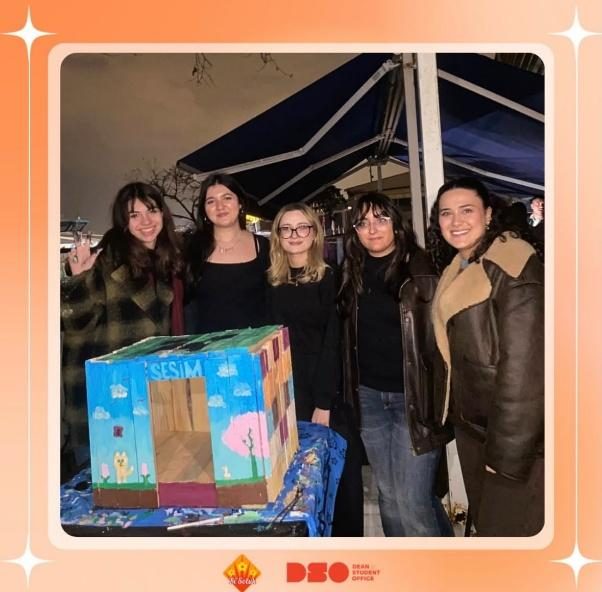
5- Supporting Animal Life in Urban Environments: Construction of Protective Shelters for Stray Cats
Bahçeşehir University (BAU), through BAU Bi'soluk Student Club and BAU CIFAL Youth, undertook a practical animal protection initiative focused on constructing protective shelters for stray cats living in urban environments. The activity reflected the University's commitment to responsible coexistence between humans and animals and to improving the conditions of animal life within shared urban spaces.
Urban environments present considerable challenges for free-roaming animals, including exposure to adverse weather conditions, limited access to safe resting areas, and risks associated with human activity. Recognizing these challenges, BAU students engaged in hands-on activities to create purpose-built shelters intended to provide stray cats with safer, more protected spaces for resting and seeking refuge.
The construction of cat shelters formed the central component of the initiative. By producing physical structures designed to address the shelter needs of animals living outdoors, participants translated their concern for animal welfare into tangible action. The activity demonstrated how university-led initiatives can respond to the needs of animals sharing urban environments with local communities.
The initiative also encouraged students to develop a greater awareness of animal welfare, environmental responsibility, and the importance of compassionate and responsible human–animal coexistence. Through direct participation in shelter construction, students contributed to a practical intervention intended to improve the everyday living conditions of stray cats.
By combining student engagement with the creation of protective animal shelters, Bahçeşehir University demonstrated its commitment to supporting animal life within existing urban environments. The initiative complements the University's broader activities under SDG 15: Life on Land, particularly its efforts to promote responsible relationships between human communities and the animals living alongside them.
The initiative represents an example of direct institutional action to support animals within urban environments, complementing BAU's biodiversity and habitat conservation.
The photographs presented below document the protective shelters constructed for stray cats through BAU Bi'soluk Student Club and BAU CIFAL Youth activities, illustrating the University's hands-on efforts to support animal welfare and provide safer shelter opportunities within urban environments.
6- Supporting Highland Biodiversity and Bee Habitats through Drone-Assisted Organic Soil Management
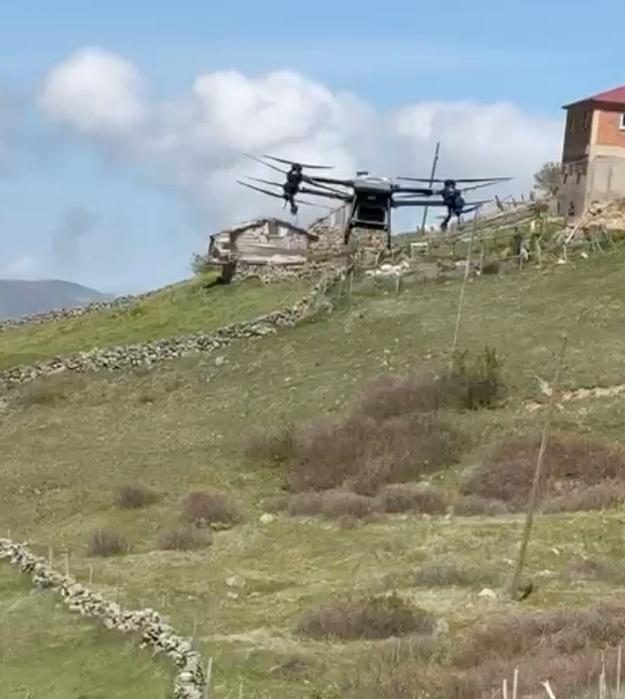
Bahçeşehir University (BAU) applies an environmentally responsible approach to soil management in the highland areas of Türkiye's Black Sea region, combining drone technology with the application of organic fertilizers and natural soil-improving materials. The initiative focuses on supporting soil health, improving land conditions, and promoting the long-term ecological resilience of highland landscapes.
The highlands of the Black Sea region are characterized by distinctive mountain ecosystems, natural grasslands, and vegetation adapted to local climatic and geographical conditions. These landscapes depend on healthy soils, balanced nutrient cycles, and the continued functioning of ecological relationships between soil organisms and vegetation. Soil degradation, erosion, and inappropriate land-management practices can place pressure on these ecosystems, affecting their ability to sustain natural vegetation and biodiversity.
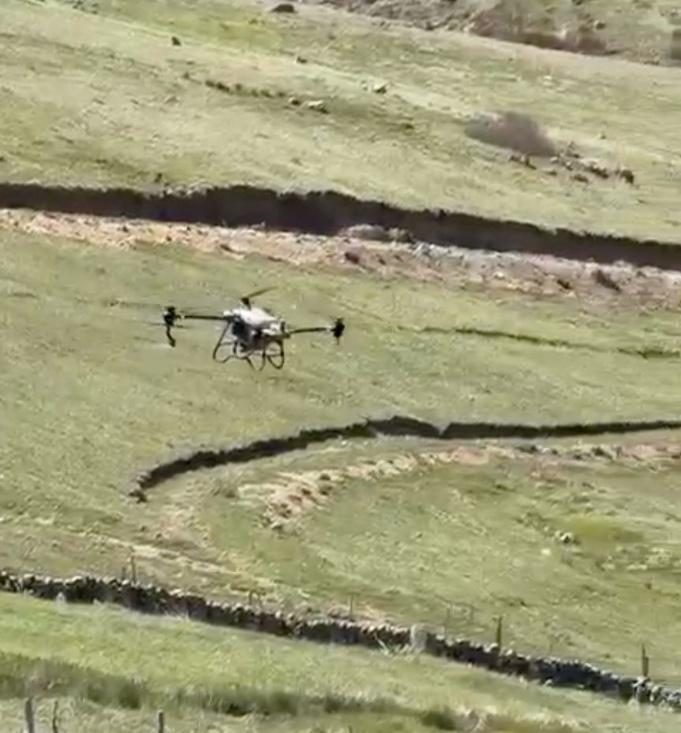
BAU's approach combines environmentally responsible soil inputs with drone-assisted application methods, offering an alternative to conventional land-management practices in mountainous and difficult-to-access areas. Drones enable materials to be distributed without requiring heavy agricultural machinery to travel across sensitive terrain, potentially reducing physical disturbance and soil compaction.
The use of organic fertilizers and natural soil-improving materials is intended to support soil fertility, nutrient availability, and the conditions necessary for vegetation development. When appropriately selected and applied according to local ecological requirements, these materials can contribute to improving degraded soil conditions and supporting the recovery of vegetation.
The ecological significance of this initiative is further strengthened by the presence of beekeeping activities in the surrounding highland areas, where natural vegetation and flowering plant diversity play an essential role in supporting pollinators. Bees contribute to the reproduction of many flowering plant species through pollination, helping sustain plant communities and the wider ecological relationships on which terrestrial biodiversity depends. The protection of healthy soils and diverse vegetation is therefore closely connected to maintaining the environmental conditions that support both local beekeeping and natural pollinator populations.
By promoting soil health and vegetation development through environmentally responsible land-management practices, BAU aims to support the ecological foundations of these interconnected highland ecosystems. The initiative recognizes that soil quality, plant diversity, pollinator activity, and biodiversity are closely linked.
By combining drone technology with soil-conscious management practices, BAU demonstrates how emerging technologies can be applied to environmental challenges in sensitive terrestrial landscapes.
Direct Contribution to Maintaining Terrestrial Ecosystems and Biodiversity
The initiative is relevant to Bahçeşehir University's efforts to maintain existing terrestrial ecosystems by addressing soil conditions that underpin vegetation growth and ecological functioning.
Healthy soils are fundamental to terrestrial biodiversity. They support plant growth, nutrient cycling, and the biological processes necessary for functioning ecosystems. Maintaining these conditions is particularly important in highland landscapes, where environmental disturbance and land degradation can affect natural vegetation and ecological resilience.
Through its drone-assisted application of organic fertilizers and natural soil-improving materials, BAU supports an approach to land management intended to improve soil conditions while minimizing unnecessary physical disturbance to highland terrain.
The initiative illustrates how universities can combine technological innovation with practical environmental stewardship, extending their sustainability activities beyond education and research into the management and improvement of terrestrial landscapes.
By focusing on soil health, responsible land management, and the protection of ecological conditions necessary for natural vegetation, the project contributes to the objectives of maintaining existing terrestrial ecosystems and supporting their long-term resilience.
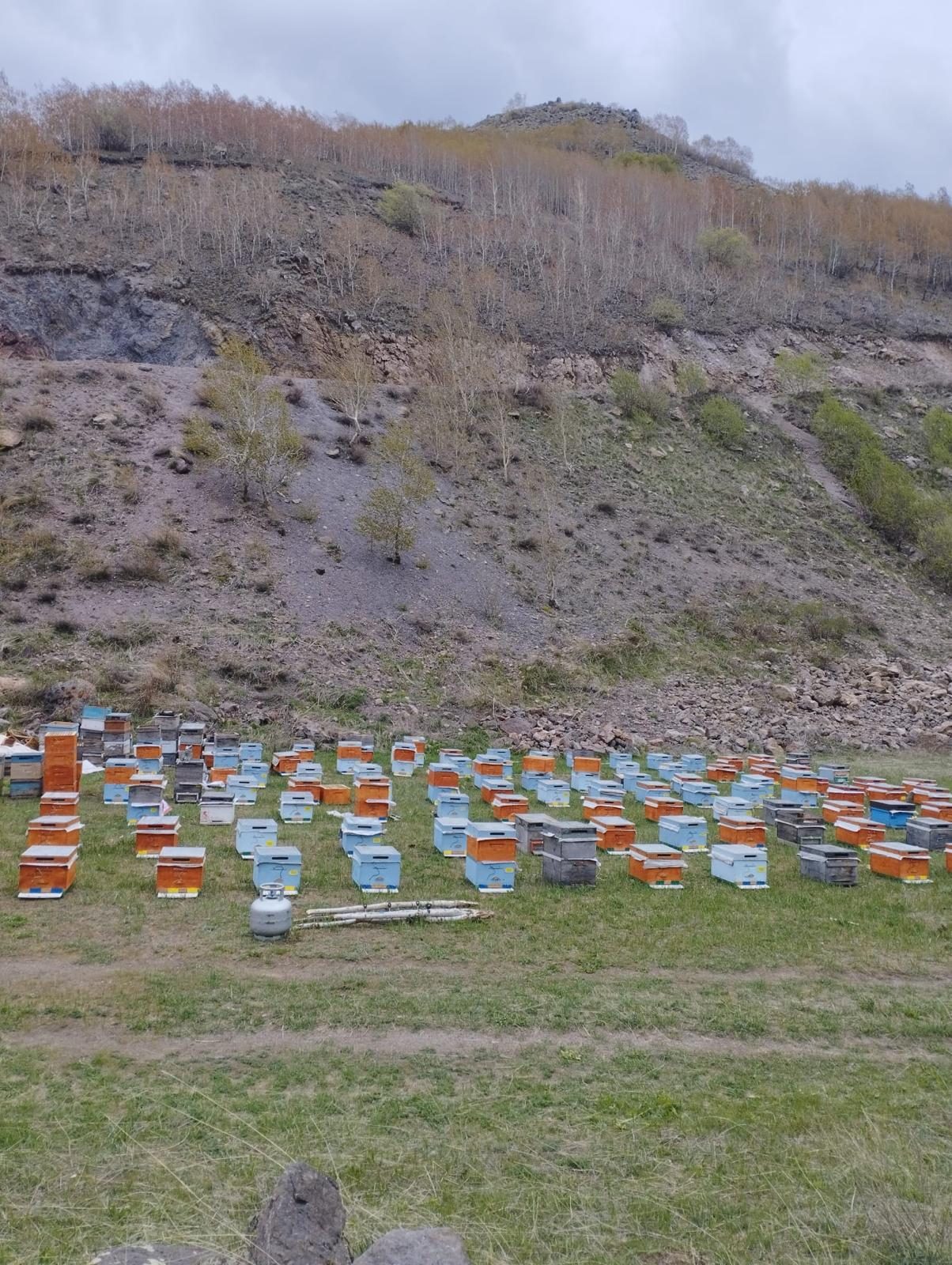
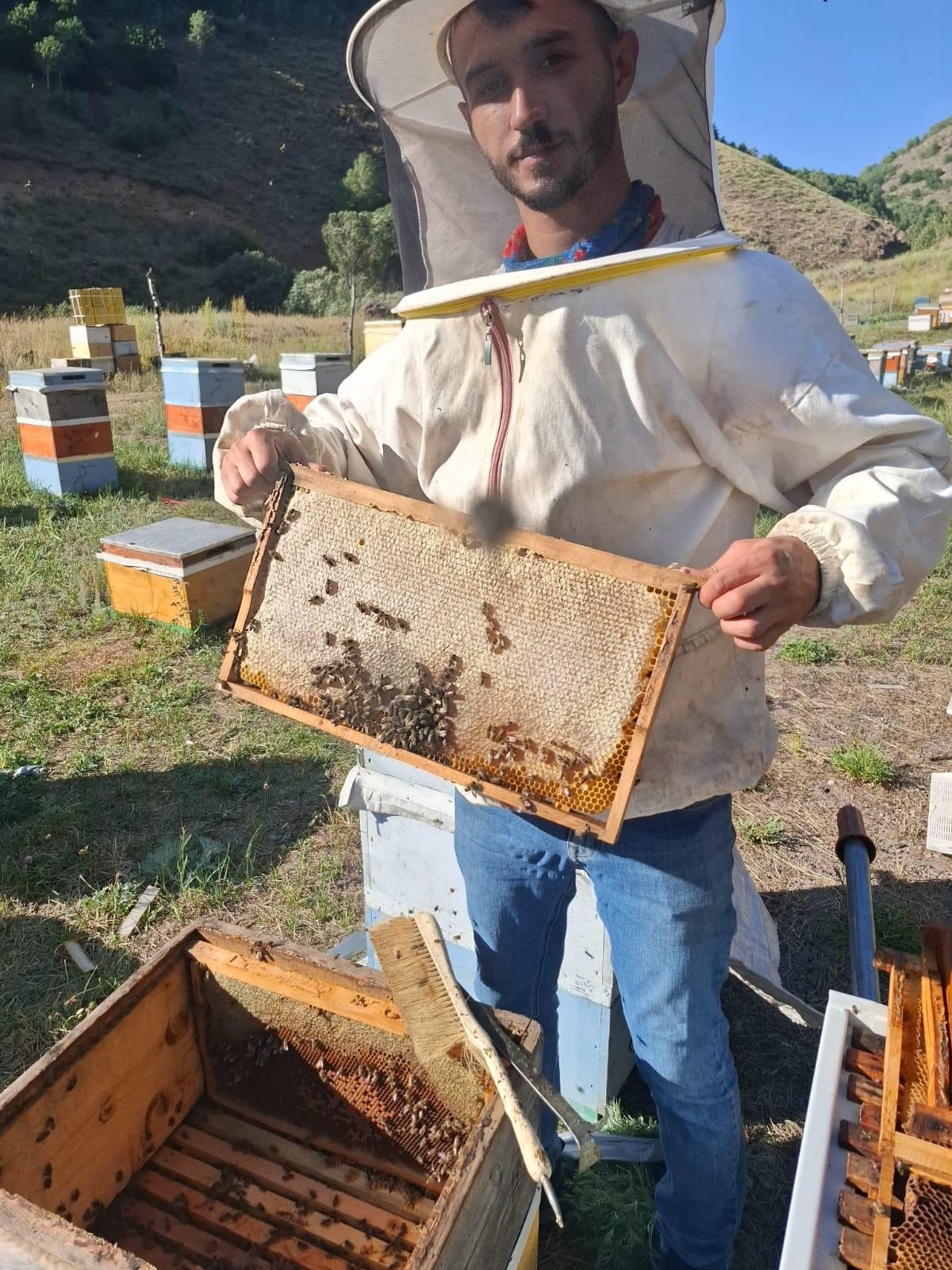
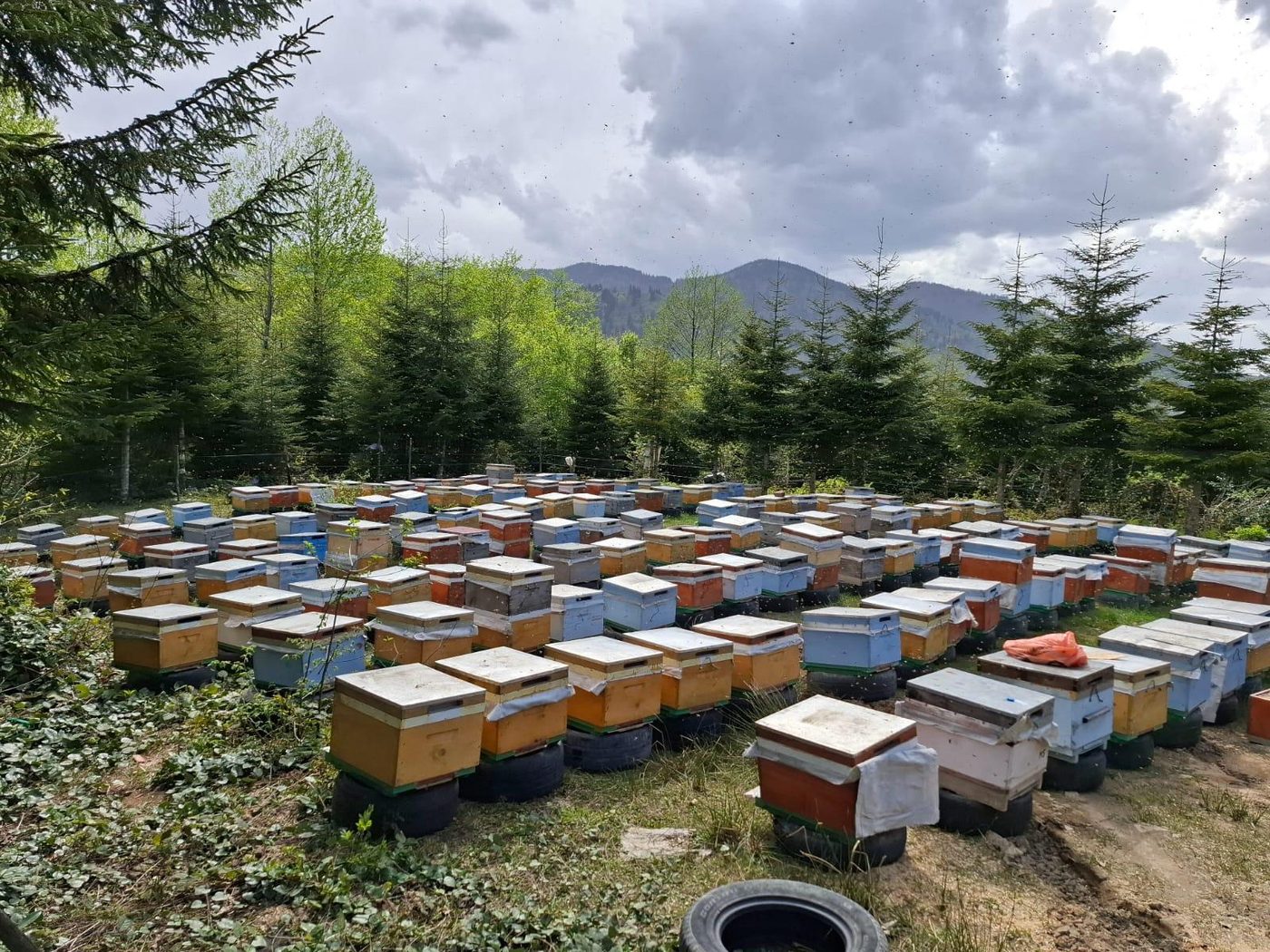
The photographs below document drone-assisted applications of organic fertilizers and natural soil-improving materials in Türkiye's Black Sea highlands, alongside the region's natural vegetation and beekeeping areas, illustrating BAU's approach to supporting soil health, plant biodiversity, pollinator habitats, and the protection of terrestrial ecosystems.
7- Protecting Existing Ecosystems through Sustainable Agricultural Practices at BAU Farm
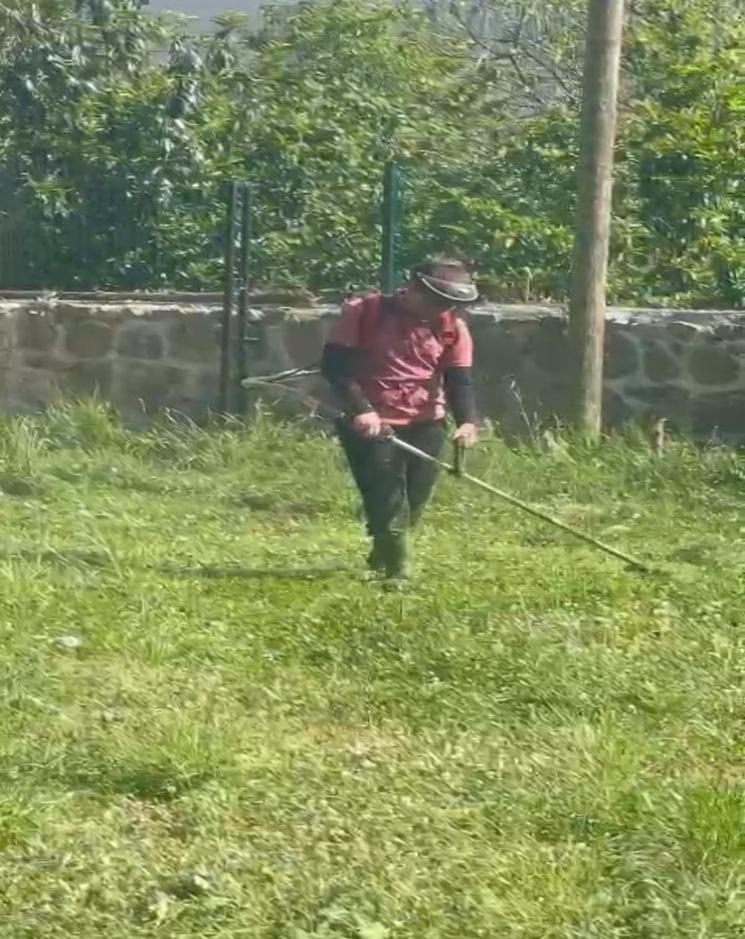
At Bahçeşehir University's Farm (BAU Farm) in Piraziz, Bahçeşehir University (BAU) adopts an environmentally responsible approach to agricultural management that prioritizes the protection of naturally occurring vegetation, soil ecosystems, and biodiversity. The Farm integrates ecological considerations into its everyday operations.
A distinctive example is the management of stinging nettles (Urtica dioica) that grow naturally beneath the hazelnut trees. Although nettles are part of Türkiye's native flora, they are often regarded as unwanted weeds in agricultural settings. In conventional hazelnut cultivation, herbicides may be applied to eliminate such vegetation, potentially affecting soil organisms, non-target plants, and the ecological balance of agricultural landscapes.
BAU Farm deliberately follows a different approach. Instead of using chemical herbicides to eliminate the naturally growing nettles, the Farm collects and harvests them for use. This practice replaces chemical eradication with a more environmentally responsible form of vegetation management, allowing naturally occurring plants to be recognized as valuable resources.
The significance of this approach extends beyond the management of a single plant species. Agricultural landscapes are living ecosystems in which cultivated trees, native vegetation, soil organisms, and other biological components interact. Removing naturally occurring vegetation through chemical treatments can place unnecessary pressures on these relationships and potentially diminish the ecological diversity of cultivated areas.
By avoiding herbicide-based nettle removal, BAU Farm reduces potential chemical pressures on soil ecosystems and surrounding vegetation while supporting the continued presence of native plant species within its hazelnut orchards. Harvesting the nettles instead of chemically eliminating them demonstrates how agricultural production can coexist with the responsible management of natural vegetation.
Importantly, this practice represents a conscious departure from conventional agricultural approaches that prioritize the systematic removal of unwanted vegetation. BAU Farm demonstrates that effective land management does not necessarily require eliminating naturally occurring plants, but can instead involve recognizing their ecological value and incorporating them into sustainable agricultural practices.
Through this practice, Bahçeşehir University takes direct action to protect the ecological characteristics of an existing agricultural ecosystem. By avoiding chemical eradication and adopting a harvesting-based approach to naturally occurring vegetation, the University contributes to reducing potential environmental pressures and maintaining the natural components of its agricultural landscape.
The initiative reflects an important principle of ecosystem conservation: protecting biodiversity is not only about restoring damaged environments or creating new habitats, but also about preventing the unnecessary destruction of the natural vegetation and ecological relationships that already exist.
BAU Farm therefore provides a practical example of how universities can integrate ecosystem protection into agricultural land management, demonstrating that environmental responsibility can be reflected in everyday farming decisions.
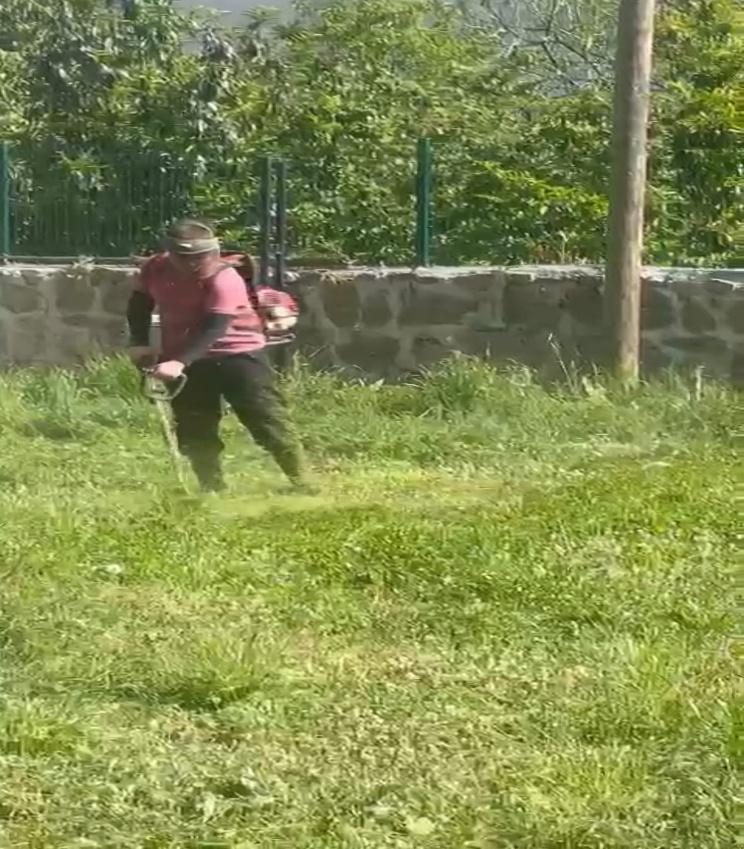
The two photographs below document the collection and harvesting of naturally growing stinging nettles beneath the hazelnut trees at BAU Farm, illustrating the University's herbicide-free approach to vegetation management and ecosystem protection.
8- Protecting Forest Ecosystems and Biodiversity through Direct Participation in Wildfire Response Operations
Forest fires represent a significant threat to terrestrial ecosystems and biodiversity in Türkiye, particularly in the Mediterranean and Aegean regions, where extensive forest landscapes are increasingly exposed to wildfire risks. Beyond the immediate destruction of trees and vegetation, severe wildfires can result in the loss and fragmentation of wildlife habitats, threaten native plant and animal species, damage forest soils, and disrupt essential ecological processes. The destruction of vegetation cover can also increase soil erosion, reduce ecosystem resilience, and compromise the capacity of affected landscapes to sustain biodiversity over time.
Protecting existing forest ecosystems from wildfire damage is therefore an essential component of maintaining terrestrial biodiversity and preventing further land degradation. Effective wildfire response contributes not only to limiting the immediate destruction of forest areas but also to safeguarding the ecological conditions necessary for the survival of wildlife, the preservation of vegetation, and the long-term functioning of forest ecosystems.
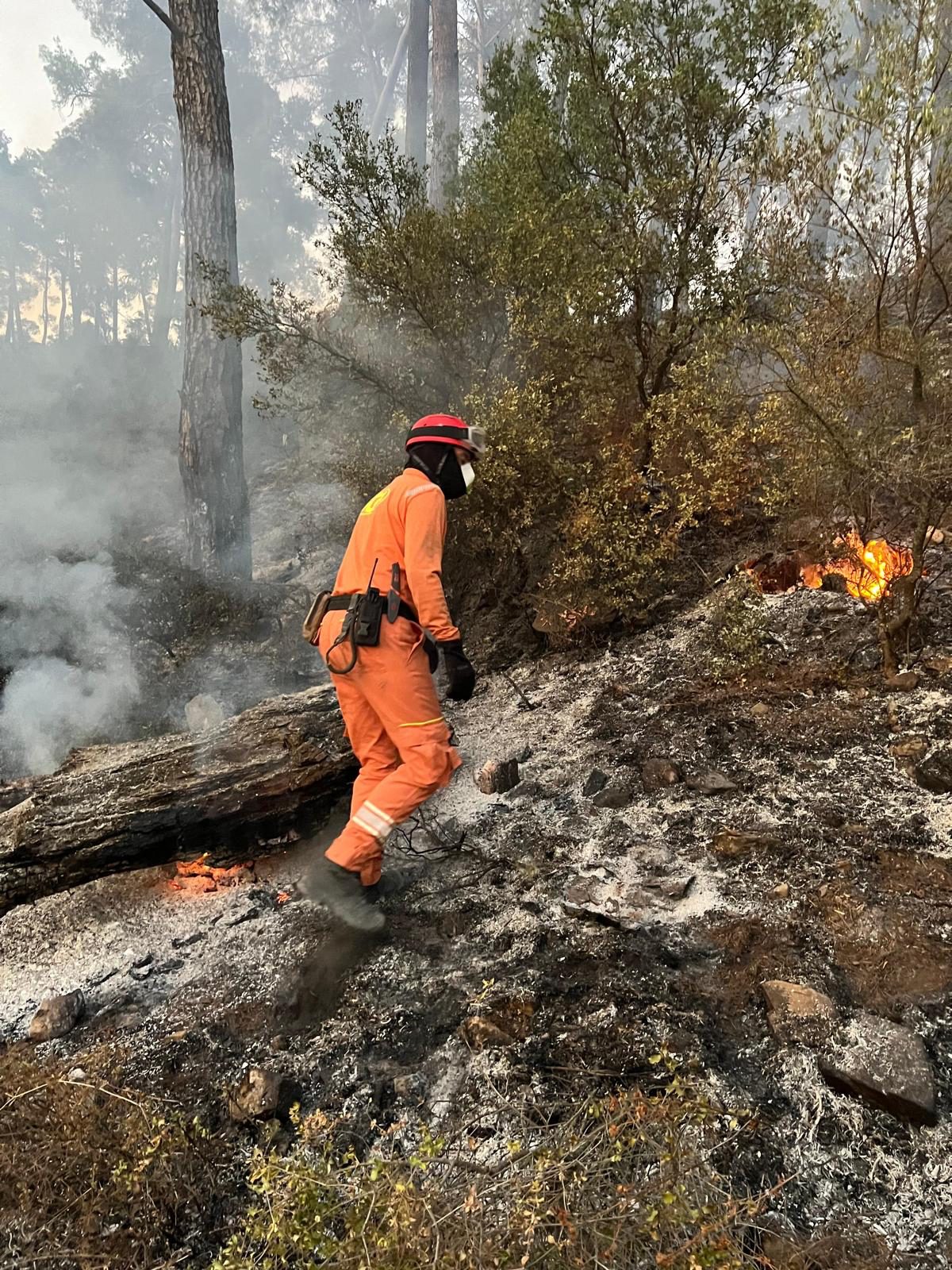
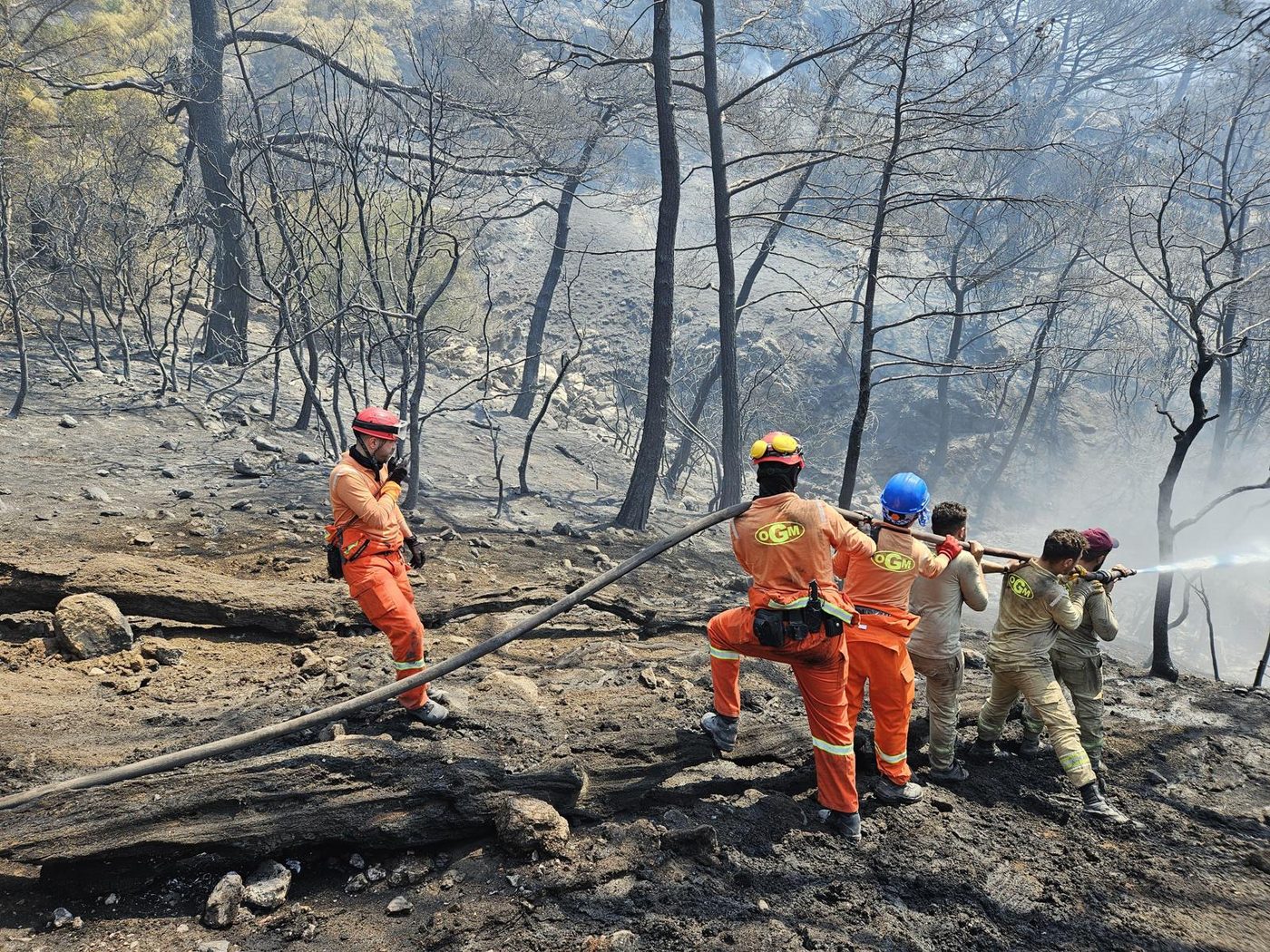
In 2025, As part of Bahçeşehir University's (BAU) ongoing commitment to forest ecosystem protection, representatives of BAU and CIFAL Istanbul participated in forest firefighting volunteer training organized in cooperation with Türkiye's General Directorate of Forestry (OGM). This training strengthened their preparedness to contribute to wildfire response activities and reflected the University's commitment to translating environmental awareness into practical conservation efforts.
In 2025, Building on this commitment, Bahçeşehir University team representatives voluntarily participated in wildfire response operations in Çanakkale and Muğla Yatağan, working alongside local emergency response and forestry teams. Through direct involvement in firefighting efforts, the representative contributed to operations aimed at containing wildfires, limiting damage to existing forest areas, and protecting terrestrial ecosystems facing immediate environmental threats.
These activities are particularly relevant to the protection of biodiversity in Türkiye, where forest ecosystems provide essential habitats for numerous plant and animal species. By contributing to efforts to prevent the further spread of wildfires, BAU supported practical interventions intended to reduce habitat destruction, protect existing vegetation, and preserve the ecological integrity of threatened forest landscapes.
The significance of this initiative lies in Bahçeşehir University's direct participation in protecting existing ecosystems. BAU, connected volunteer preparedness with active field engagement, demonstrating how institutional commitment can translate into practical action to protect forests and their biodiversity.
This initiative provides evidence of BAU's direct engagement in maintaining and protecting existing terrestrial ecosystems and their biodiversity, particularly in forest areas threatened by wildfires. By supporting wildfire response operations and cooperating with forestry and emergency response teams, the University contributed to collective efforts aimed at preventing further ecosystem degradation and safeguarding natural habitats.
9- Addressing Heavy Metal Contamination to Protect Terrestrial Vegetation and Ecosystem Health
Bahçeşehir University (BAU) addresses environmental threats to terrestrial ecosystems through innovative approaches targeting heavy metal contamination in plants. Recognizing the risks that toxic metals pose to vegetation, soil health, and biodiversity, the University has undertaken an interdisciplinary initiative focused on understanding and addressing the accumulation of harmful metals in plant tissues.
The initiative, “Retention of Cadmium (Cd) and Copper (Cu) Metals in Plants Using Natural Melanin Nanoparticles,” was led by Assist. Prof. Müge Kesici from BAU's Department of Molecular Biology and Genetics, Faculty of Engineering and Natural Sciences. Supported through BAU's Scientific Research Projects (BAP) programme, it was implemented between 7 November 2024 and 7 November 2025 and has been completed.
Heavy metal contamination represents a serious threat to terrestrial environments, particularly where pollutants enter agricultural soils and are absorbed by plants. Cadmium and copper can interfere with plant development and physiological processes, potentially affecting vegetation communities and the ecological conditions that sustain biodiversity. Protecting terrestrial ecosystems from such pressures requires a better understanding of how contaminants interact with living organisms.
To address this challenge, the BAU initiative focuses on the metal-binding properties of natural melanin nanoparticles and their interactions with cadmium and copper in plants. Using magnetic resonance imaging (MRI), the project examines the distribution and accumulation of these metals within plant tissues, providing insights into how potentially harmful substances interact with vegetation.
This approach is relevant to the protection of existing terrestrial ecosystems, particularly those exposed to contamination-related environmental pressures. Understanding the behaviour and accumulation of heavy metals in plants can support the identification of ecological risks and inform future measures aimed at protecting vegetation, maintaining soil health, and safeguarding the environmental conditions necessary for biodiversity.
The initiative contributes to SDG 15: Life on Land, particularly through its focus on environmental pressures affecting terrestrial vegetation and ecosystem health. It is also relevant to Target 15.3, which addresses land degradation and the protection and restoration of degraded land and soil.
By bringing together plant biology, nanotechnology, and advanced imaging techniques, BAU demonstrates an interdisciplinary approach to addressing environmental challenges affecting terrestrial ecosystems.
Through this initiative, Bahçeşehir University reinforces its commitment to protecting the ecological foundations of terrestrial biodiversity and developing innovative approaches to environmental threats that may compromise the long-term health of existing ecosystems.
10- AI-Integrated Soil and Resource Management in Mediterranean Olive Cultivation: Sustainable Land Use and Ecosystem Maintenance
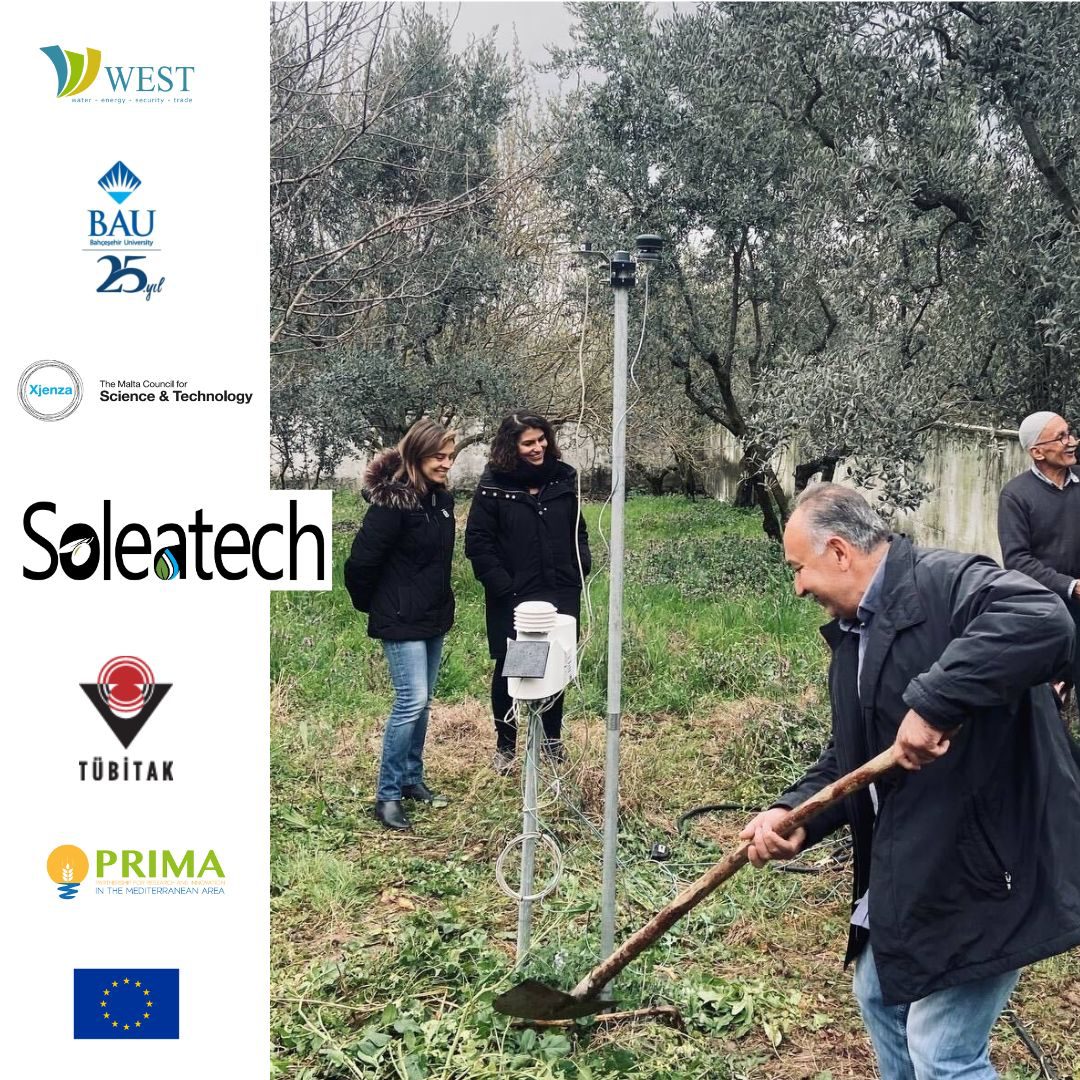
The announcement poster of the project is presented below.
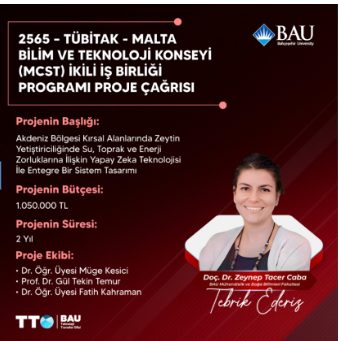
In the 2024-2025 academic year, Bahçeşehir University (BAU) contributed to sustainable agricultural land management through the project “Designing an Integrated System Using Artificial Intelligence Technology to Address Water, Soil, and Energy Challenges in Olive Cultivation in Rural Areas of the Mediterranean Region.” Jointly led by Assoc. Prof. Dr. Zeynep Tacer Caba from BAU, Türkiye, and Barbara Bracone, Director of Malta Wes Trade Ltd., Malta, the project brings together research expertise and practical experience from two Mediterranean countries. Its focus on AI-integrated soil and resource management in olive cultivation connects the sustainable utilisation of agricultural land with the maintenance of the ecological conditions that support existing olive-growing ecosystems.
Supported through the Bilateral Cooperation Support Program by the Scientific and Technological Research Council of Türkiye (TÜBİTAK) and the Malta Council for Science and Technology (MCST), the initiative aims to develop an AI-driven sustainable agricultural model incorporating climate-smart practices to optimise water, soil, and energy management. The partners evaluate and implement best practices from both countries, comparing cultivation methods, resource management approaches, and technological applications. This process seeks to identify effective, internationally transferable approaches that support productive olive cultivation while addressing shared environmental and agricultural challenges.
Through comparative research, data-driven modelling, and applied field studies, the collaboration jointly assesses, adapts, and develops approaches to water efficiency, soil management, and energy use. Drawing on the expertise and local innovations of Türkiye and Malta, the partners seek to generate scalable solutions for sustainable rural development across the Mediterranean region.
The project's applied field studies and evaluation of soil management practices provide a basis for supporting the maintenance of existing agricultural ecosystems and their biodiversity. Olive-growing landscapes depend on functioning soils, appropriate water management, and ecological processes that sustain cultivation. By developing and evaluating practices intended to improve soil health and reduce environmental pressures, the project seeks to strengthen the maintenance and resilience of existing agricultural ecosystems. Its contribution in this area centres on field-based work and ecosystem management, while longer-term biodiversity outcomes depend on the implementation and documented results of these practices.
Through AI-driven monitoring, comparative analysis of soil management practices, and resource-efficient cultivation approaches, the partners investigate ways to reduce pressures on Mediterranean agricultural ecosystems. Field-based implementation links technological research with practical land management, enabling the assessment of approaches intended to protect soil conditions and sustain ecosystem functioning. In this context, the project connects the responsible utilisation of agricultural land with the protection of the environmental foundations on which both cultivation and associated biodiversity depend.
A selected highlight from the project is shown below:
11- Supporting Soil Health and Terrestrial Ecosystem Protection through Innovative Microfertilizer Delivery Technologies
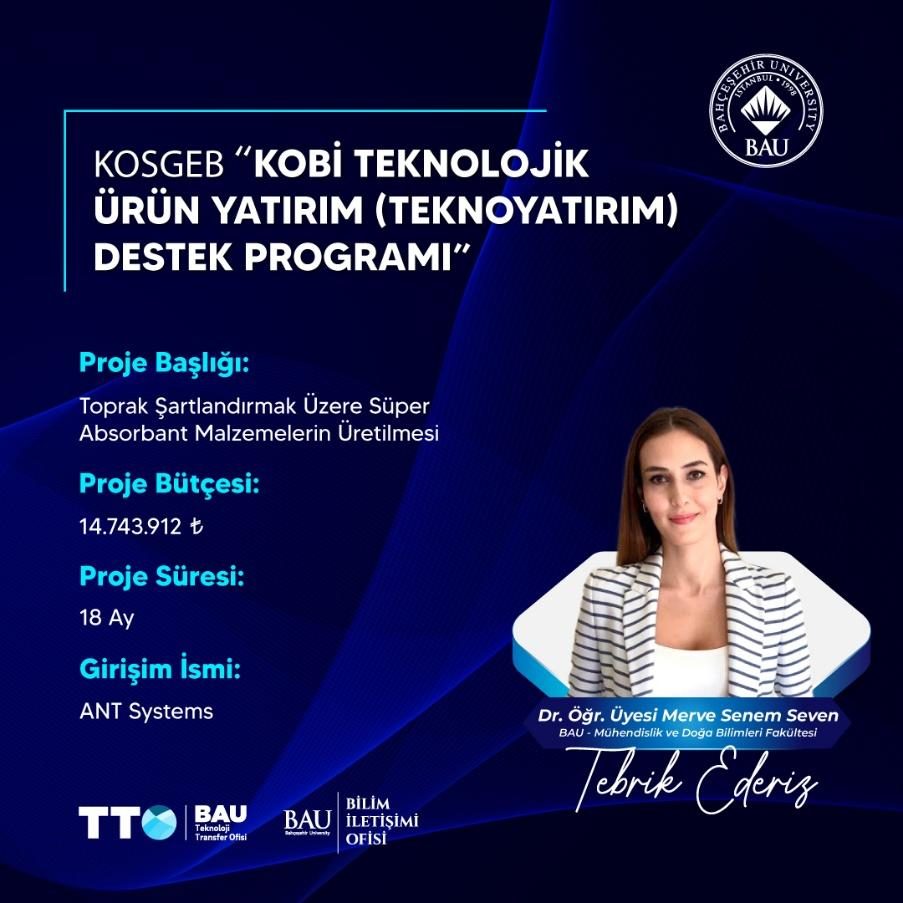
The project announcement poster is presented below as supporting evidence of Bahçeşehir University's involvement in this initiative to advance sustainable soil management and environmentally responsible technologies.
Bahçeşehir University (BAU) contributes to sustainable land management and the protection of terrestrial ecosystems through the development of innovative materials designed to improve fertilizer delivery and resource efficiency in agricultural soils. By addressing the environmental challenges associated with conventional fertilization practices, the University explores technological solutions that may help reduce pressures on soil ecosystems while supporting sustainable plant growth.
The project, “Development of Superabsorbent Polymers as Microfertilizer Carriers,” led by Assist. Prof. Merve Senem Seven from BAU's Faculty of Engineering and Natural Sciences, received support under TÜBİTAK's 1507 SME R&D Start-up Support Programme.
The initiative focuses on developing superabsorbent polymer-based materials capable of retaining water and serving as carriers for micronutrients used in agricultural production. By combining moisture-retention properties with fertilizer delivery, the project explores an approach to managing essential agricultural inputs more efficiently.
Conventional fertilizer application can create environmental pressures when nutrients are supplied in excess or are lost from the soil before plants can effectively absorb them. Nutrient losses may contribute to soil and water pollution, while inefficient moisture management can place additional pressure on agricultural land, particularly under conditions of water scarcity.
By developing polymer-based microfertilizer carriers, the initiative aims to support more controlled nutrient delivery and improved moisture management in agricultural soils. Such technologies may offer opportunities to reduce unnecessary fertilizer losses, improve the effectiveness of nutrient application, and maintain more favourable conditions for plant development.
The initiative is relevant to SDG 15: Life on Land through its contribution to maintaining soil functionality, reducing environmental pressures associated with agricultural inputs, and supporting the sustainable use of terrestrial land resources. Healthy soils are essential to vegetation growth, nutrient cycling, and the ecological processes that maintain terrestrial ecosystems.
The project is also relevant to SDG Target 15.3, which addresses land degradation and the sustainable management and restoration of degraded land and soil. Technologies intended to improve the efficiency of water and nutrient management can contribute to approaches aimed at maintaining the productive and ecological functions of landscapes.
By integrating materials engineering with agricultural sustainability, BAU demonstrates how technological innovation can address challenges affecting soil resources and the long-term health of terrestrial environments. The actual environmental benefits, including nutrient-release performance, soil compatibility, and potential effects on non-target organisms, will require evaluation as the technology is developed and tested.
Through this initiative, Bahçeşehir University advances innovative approaches to sustainable soil management, supporting efforts to reduce environmental pressures on agricultural landscapes and maintain the conditions necessary for healthy terrestrial ecosystems and plant biodiversity.
12- Growing Roots for the Future: BAU Young TEMA Club Tree Planting Initiative
The images below show the official promotional poster of the event as well as a selected highlight.
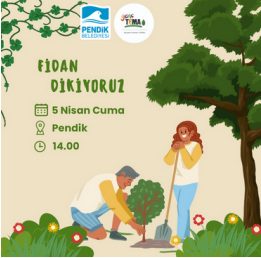
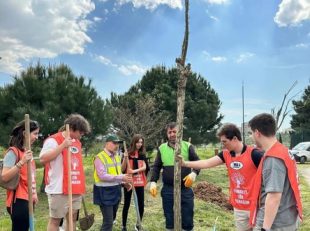
Bahçeşehir University (BAU), through its Young TEMA Student Club, collaborated with Pendik Municipality to organize a tree planting initiative aimed at supporting the restoration and long-term sustainability of terrestrial ecosystems.
As part of the initiative, BAU students actively participated in planting tree saplings in Pendik, Istanbul, contributing directly to the expansion of local tree cover and the regeneration of green spaces. Through hands-on involvement, students gained practical experience in tree planting, soil care, and the importance of maintaining healthy vegetation within existing terrestrial environments.
Tree planting plays an important role in strengthening terrestrial ecosystems by supporting vegetation growth, improving environmental conditions, and creating opportunities for the development of habitats for birds, insects, and other wildlife. Such activities are particularly relevant in urban and peri-urban areas, where development pressures can affect green spaces and the ecological conditions necessary to sustain biodiversity.
The initiative directly supports SDG 15: Life on Land, reflecting BAU's commitment to maintaining and extending terrestrial ecosystems through practical environmental action. By planting saplings and contributing to local environmental regeneration, students participated in an activity that can support the long-term development of plant cover and associated wildlife habitats.
Beyond its immediate environmental contribution, the initiative demonstrates how Bahçeşehir University engages its student community in tangible ecosystem protection activities, encouraging environmental responsibility and active participation in preserving natural environments.
Through this collaboration with Pendik Municipality, BAU reinforces its commitment to supporting existing terrestrial ecosystems, expanding green spaces, and promoting the protection of plant and animal biodiversity through direct community engagement.











