





 EN
17.2.5 - Collaboration with NGOs to tackle the SDGs
Bahçeşehir University (BAU) actively collaborates with non-governmental organizations (NGOs) at local, national, and international levels to advance the United Nations Sustainable Development Goals (SDGs).
Through student volunteering programmes, joint research initiatives, and the collaborative development and dissemination of educational resources, BAU works closely with civil society organizations to address social, educational, economic, health-related, and environmental challenges. These partnerships bring together academic expertise, student engagement, and civil society experience to generate knowledge, strengthen community participation, expand access to educational opportunities, and develop practical solutions to sustainability challenges.
The following section presents examples of BAU's collaborations with NGOs during the 2024–2025 academic year, demonstrating how these partnerships translate shared commitments to the SDGs into concrete action through student volunteering, collaborative research, and educational resource development.
Collaboration with NGOs to Tackle the SDGs through Student Volunteering Programmes
Bahçeşehir University (BAU) actively collaborates with non-governmental organizations (NGOs) through student volunteering programmes that address social, educational, health-related, and environmental challenges aligned with the United Nations Sustainable Development Goals (SDGs). Through student clubs, academic units, and community engagement initiatives, BAU students participate directly in NGO-led activities, contributing their time, skills, and knowledge to sustainable development and community well-being.
These partnerships provide opportunities for students to translate their academic learning and social responsibility into practical community action, while supporting NGOs in reaching different groups and addressing local needs. The following examples demonstrate BAU's collaboration with civil society organizations through student volunteering activities during the reporting period.
1. BAU Public Relations Students and Community Volunteers Foundation (TOG): Volunteer Education (9 May 2025)
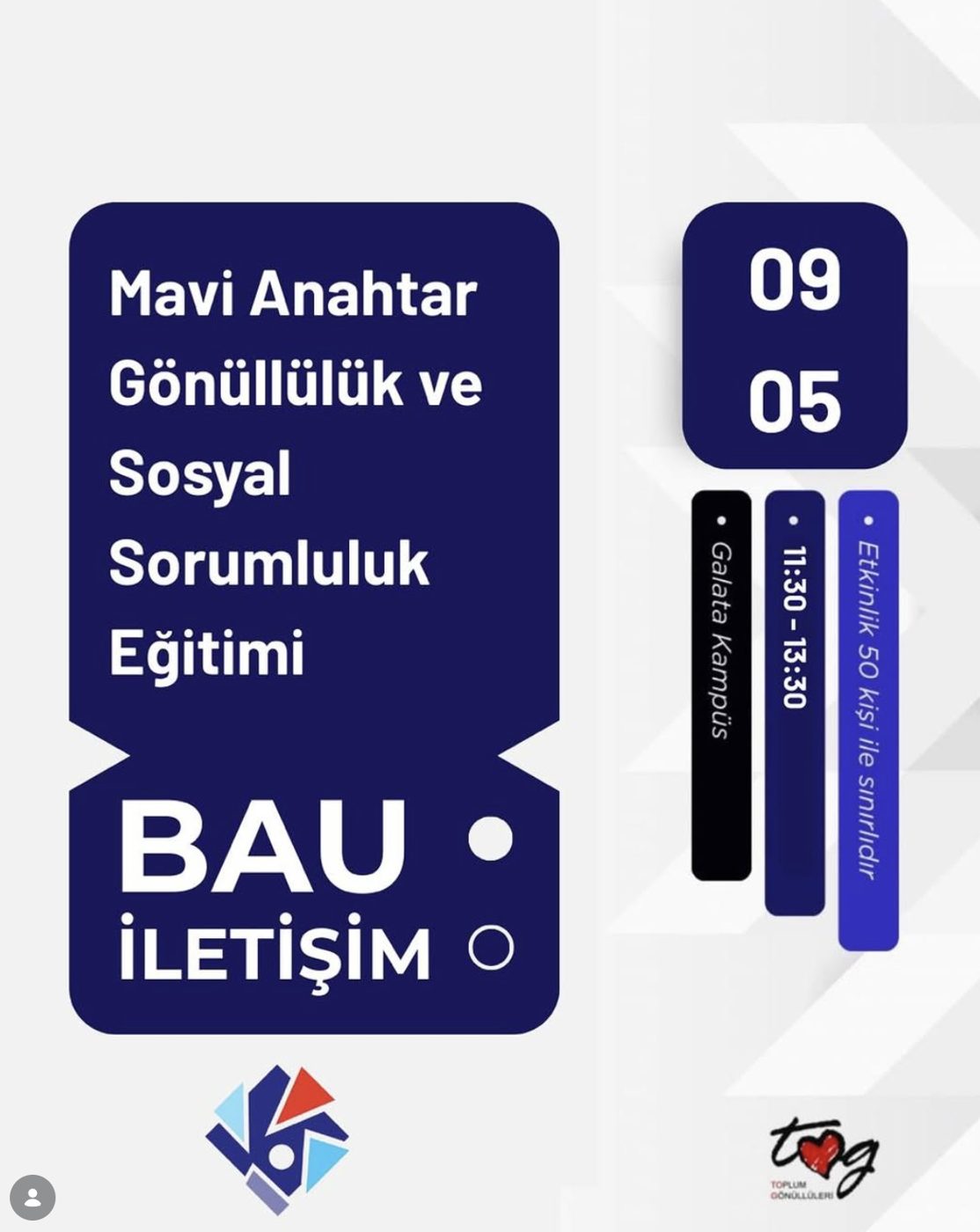
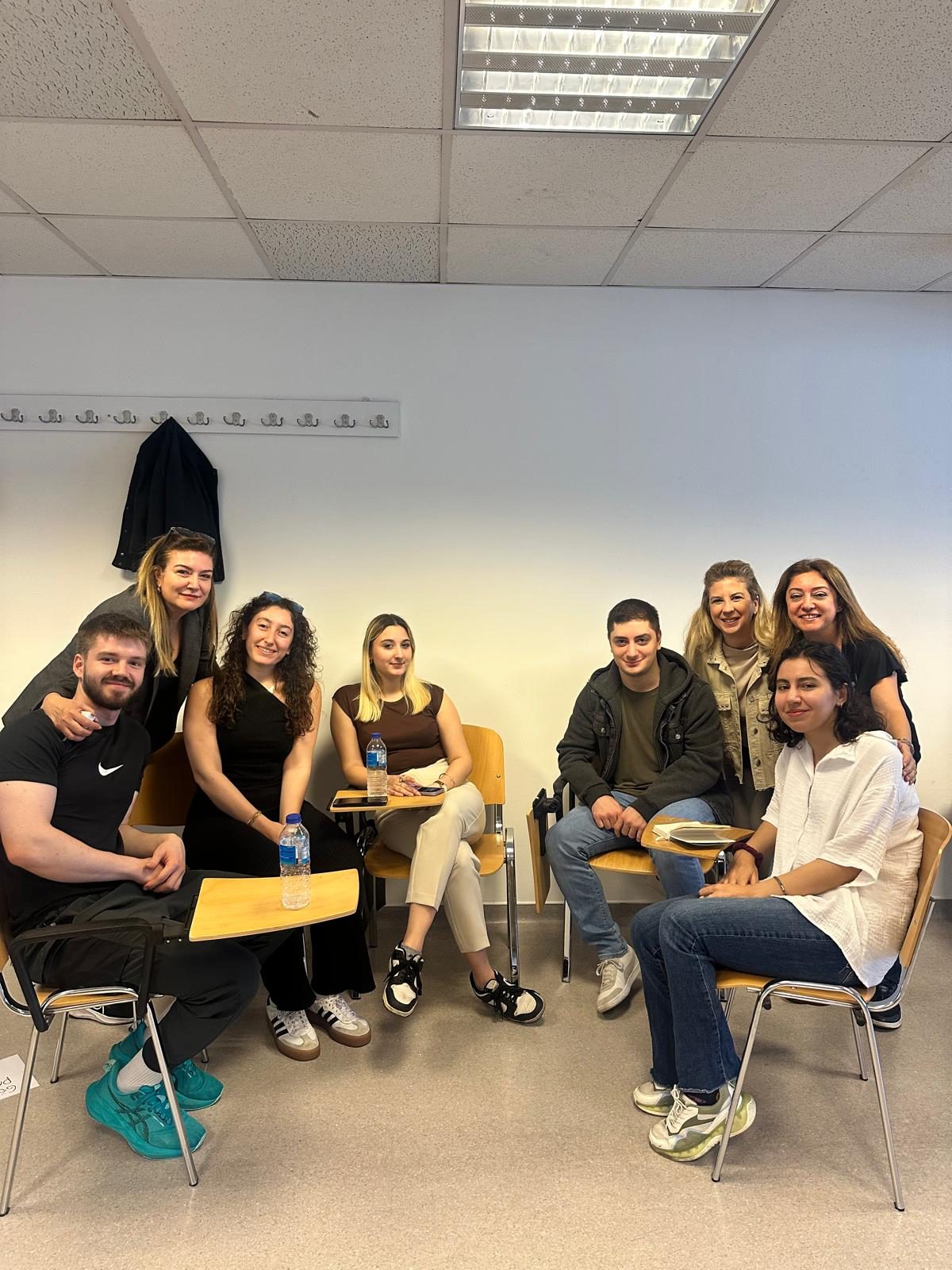
Bahçeşehir University Public Relations students collaborated with the Community Volunteers Foundation (Toplum Gönüllüleri Vakfı – TOG) to deliver volunteer education for other young people as a social responsibility project. The training addressed volunteering, the Sustainable Development Goals, and social impact, encouraging participants to explore how they could contribute to their communities and take active roles in social responsibility initiatives.
Through this NGO–university collaboration, student volunteers shared knowledge and encouraged youth participation in community action, helping other young people recognize their potential contribution to sustainable development. The initiative supports SDG 4 (Quality Education) and SDG 17 (Partnerships for the Goals) through sustainability education, active citizenship, and youth volunteering.
2. BAU Children's Club and GülümseSEN Cancer-Free Life Association: Student Volunteering Partnership (11 January 2025)
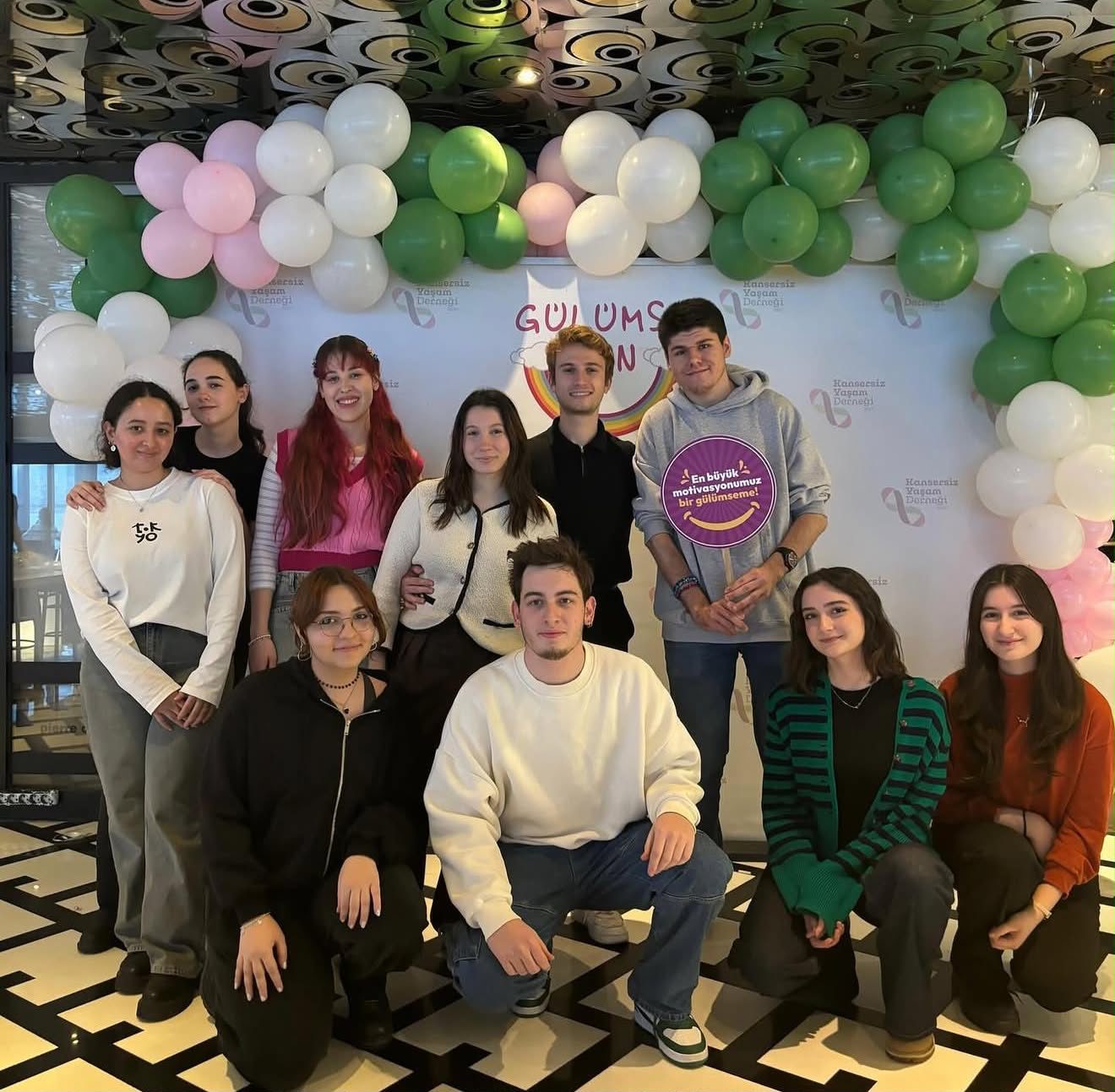
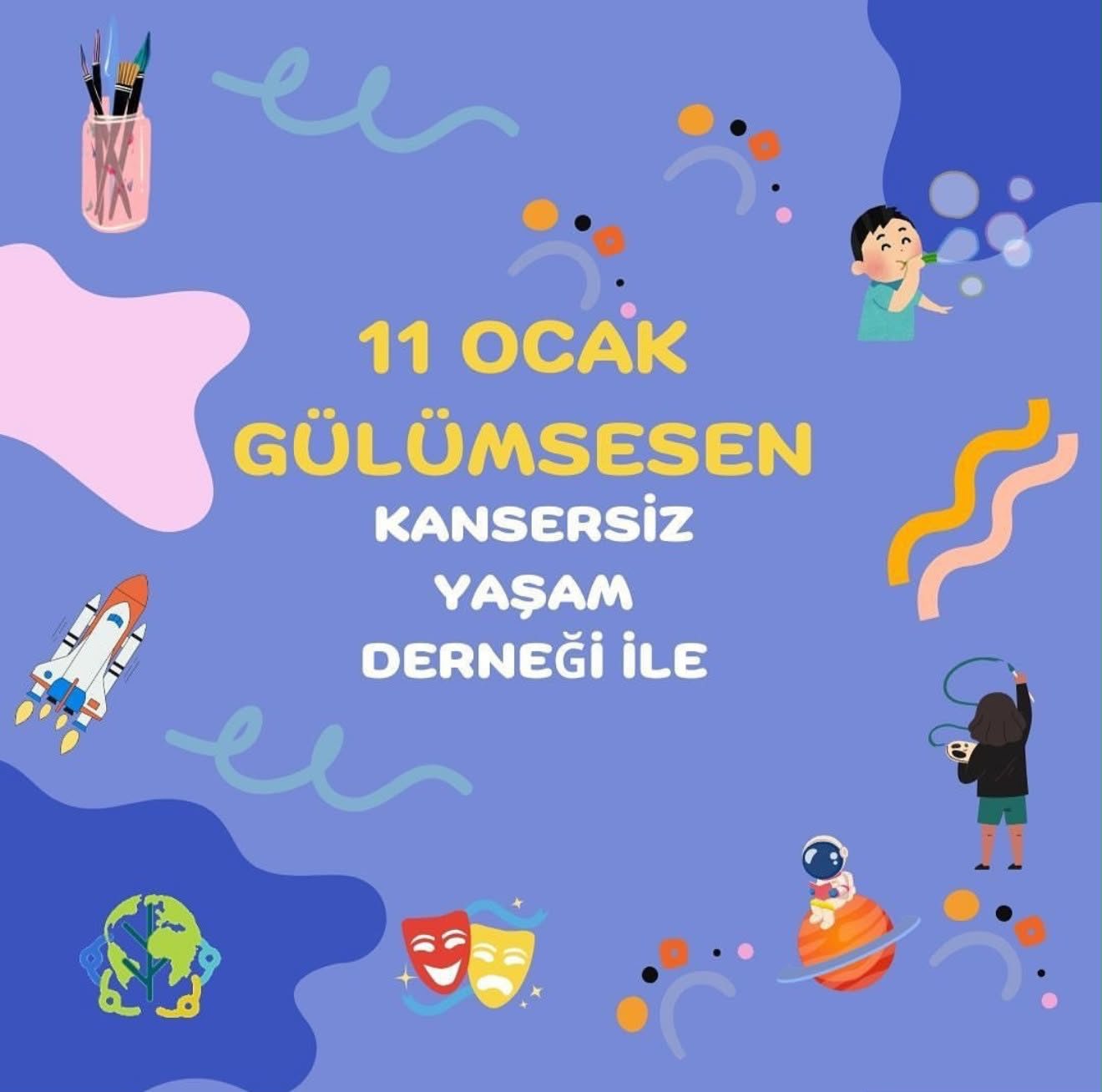
Students from Bahçeşehir University's Children's Club joined the GülümseSEN Cancer-Free Life Association's project as volunteers, contributing their time and efforts to a community-focused initiative. By becoming directly involved in the NGO's activities, students translated their interest in social responsibility into practical participation and gained first-hand experience of how civil society organizations mobilize volunteers to support community needs.
The collaboration connected university life with community engagement and enabled students to contribute to a shared social purpose alongside an organization working in cancer-related support and awareness. It contributes to SDG 3 (Good Health and Well-Being) and SDG 17 (Partnerships for the Goals) through health-related civil society engagement and student volunteering.
3. BAU Children's Club and Refugees Association: Volunteer Activities for Refugee Children (28 February 2025)
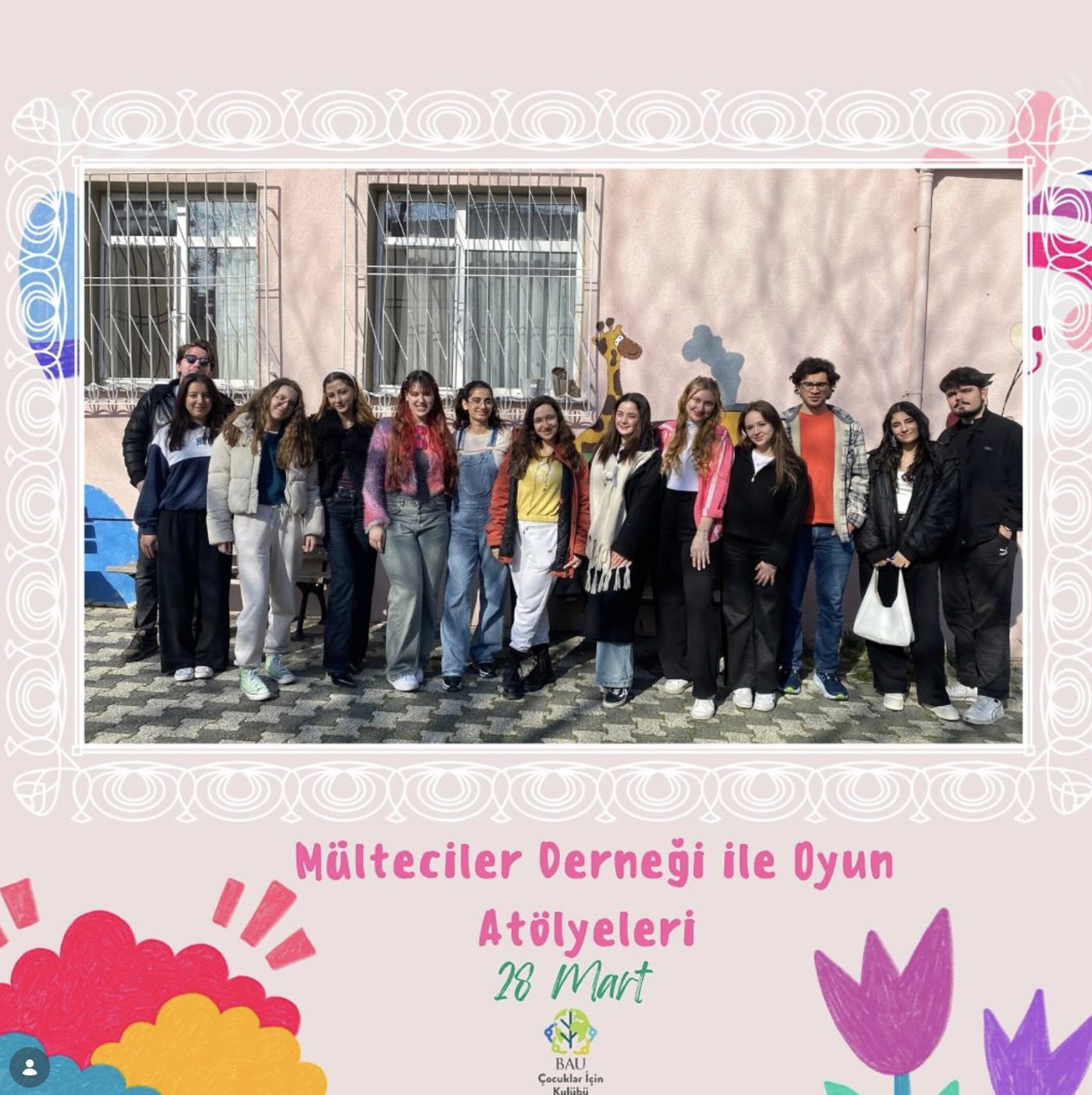
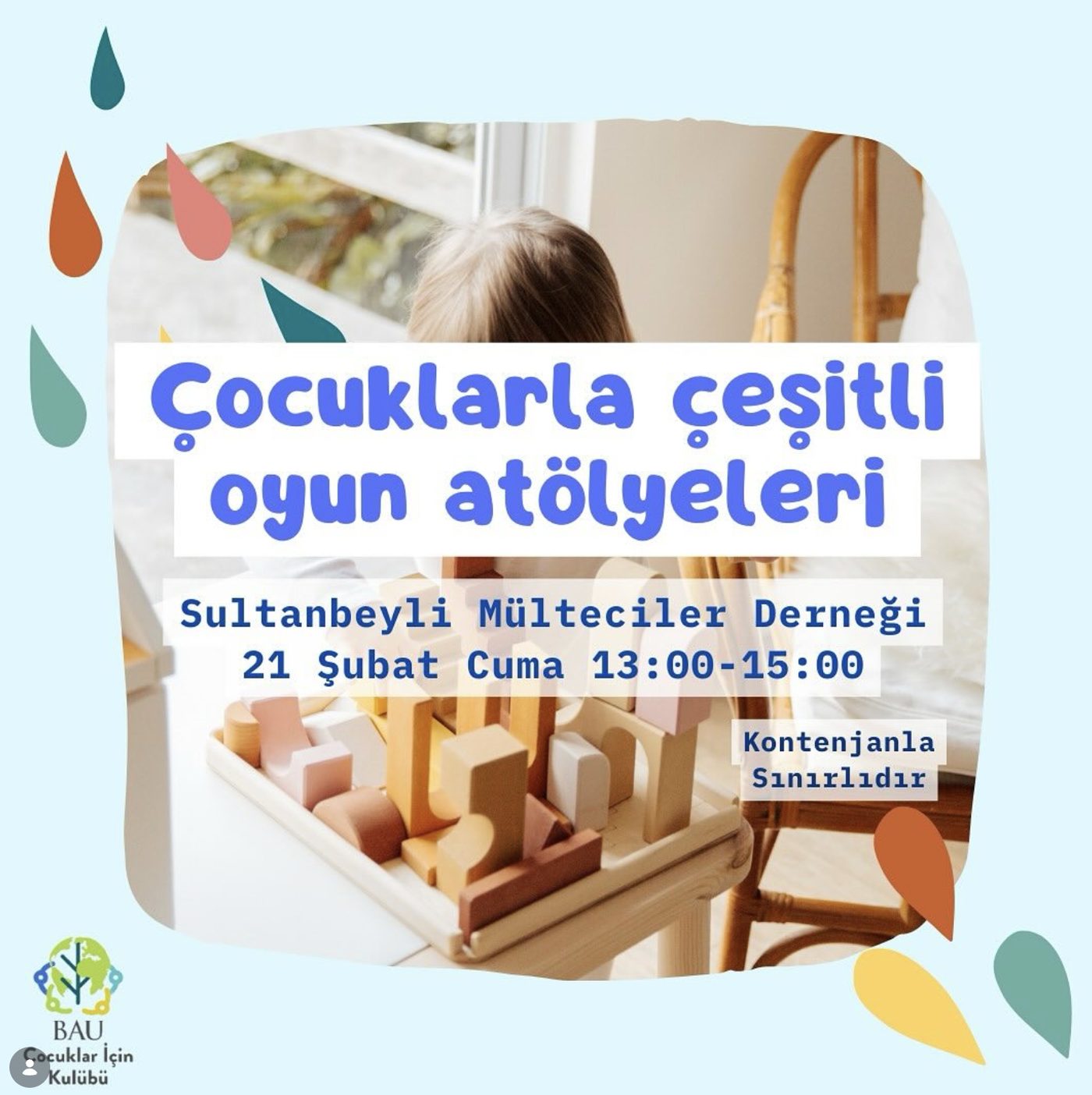
Bahçeşehir University's Children's Club collaborated with the Refugees Association (Mülteciler Derneği) in Sultanbeyli to organize volunteer activities for children aged three, four, and five in the association's child-friendly space. Student volunteers engaged directly with the children through a variety of interactive games, creating opportunities for shared play, social interaction, and positive engagement in a supportive environment.
Working alongside an NGO supporting refugee communities, students contributed their time and attention to children's social development while gaining experience in inclusive community service. The initiative supports SDG 4 (Quality Education), SDG 10 (Reduced Inequalities), and SDG 17 (Partnerships for the Goals) through play-based learning, social inclusion, and university–NGO cooperation.
4. BAU Student Clubs and LÖSEV: Exploring Volunteering Opportunities through the FAYDA Project (9 May 2025)
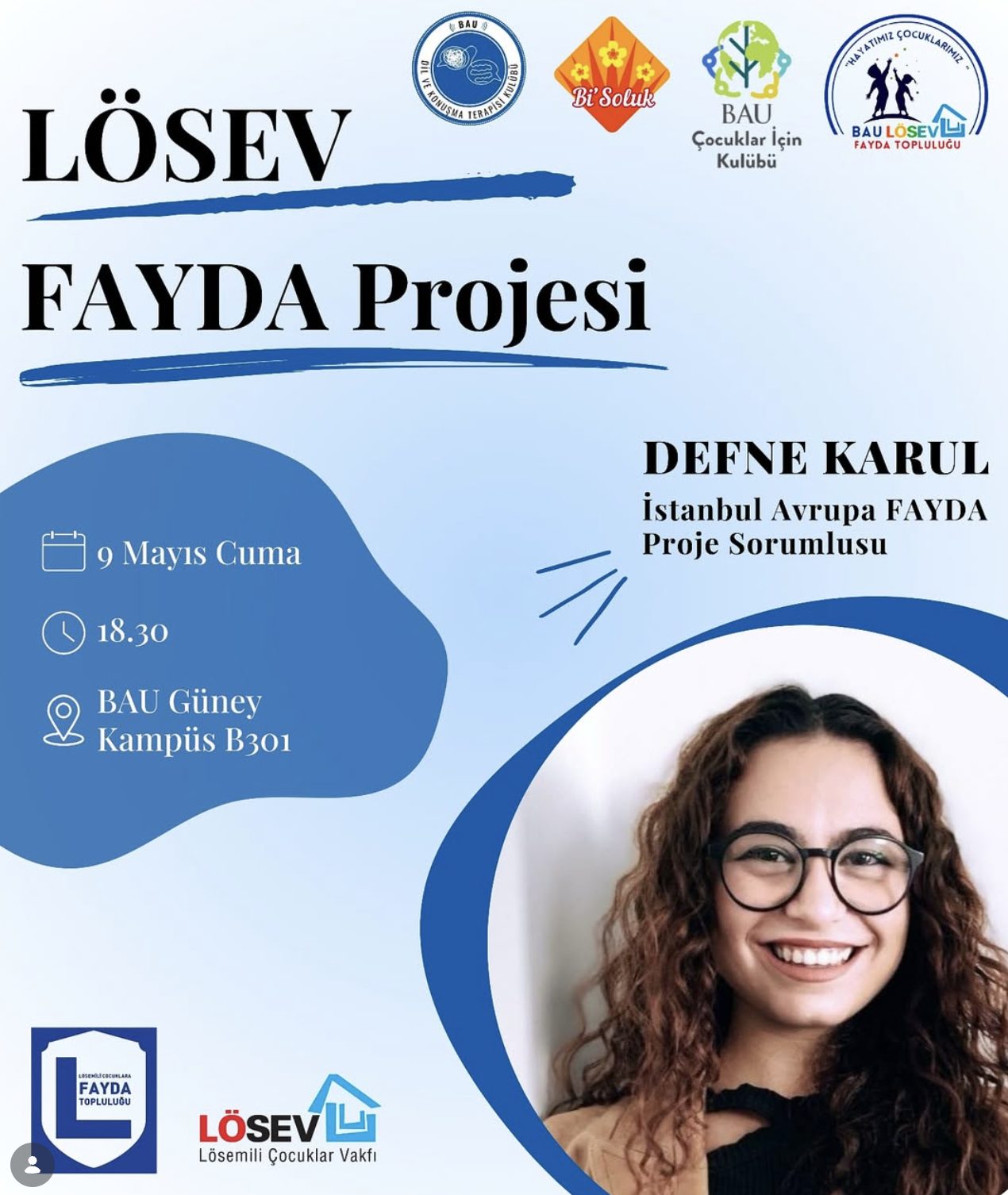
Bahçeşehir University's Bi'Soluk Student Club, Children's Club, and LÖSEV FAYDA Community came together with Defne Karul, the foundation's Istanbul European Side FAYDA Project Coordinator, to explore opportunities for student involvement in the FAYDA Project. During the meeting, students learned about the foundation's activities, exchanged ideas, and brainstormed potential volunteering and social responsibility initiatives.
The discussion encouraged participating student clubs to consider how they could combine their efforts and contribute to NGO-led community support activities. By establishing direct dialogue between university student organizations and the Foundation for Children with Leukemia, the initiative supports the development of future volunteering cooperation aligned with SDG 3 (Good Health and Well-Being) and SDG 17 (Partnerships for the Goals).
5. BAU Community Volunteers Club and TOG: National ATAK Project (25–28 April 2025)
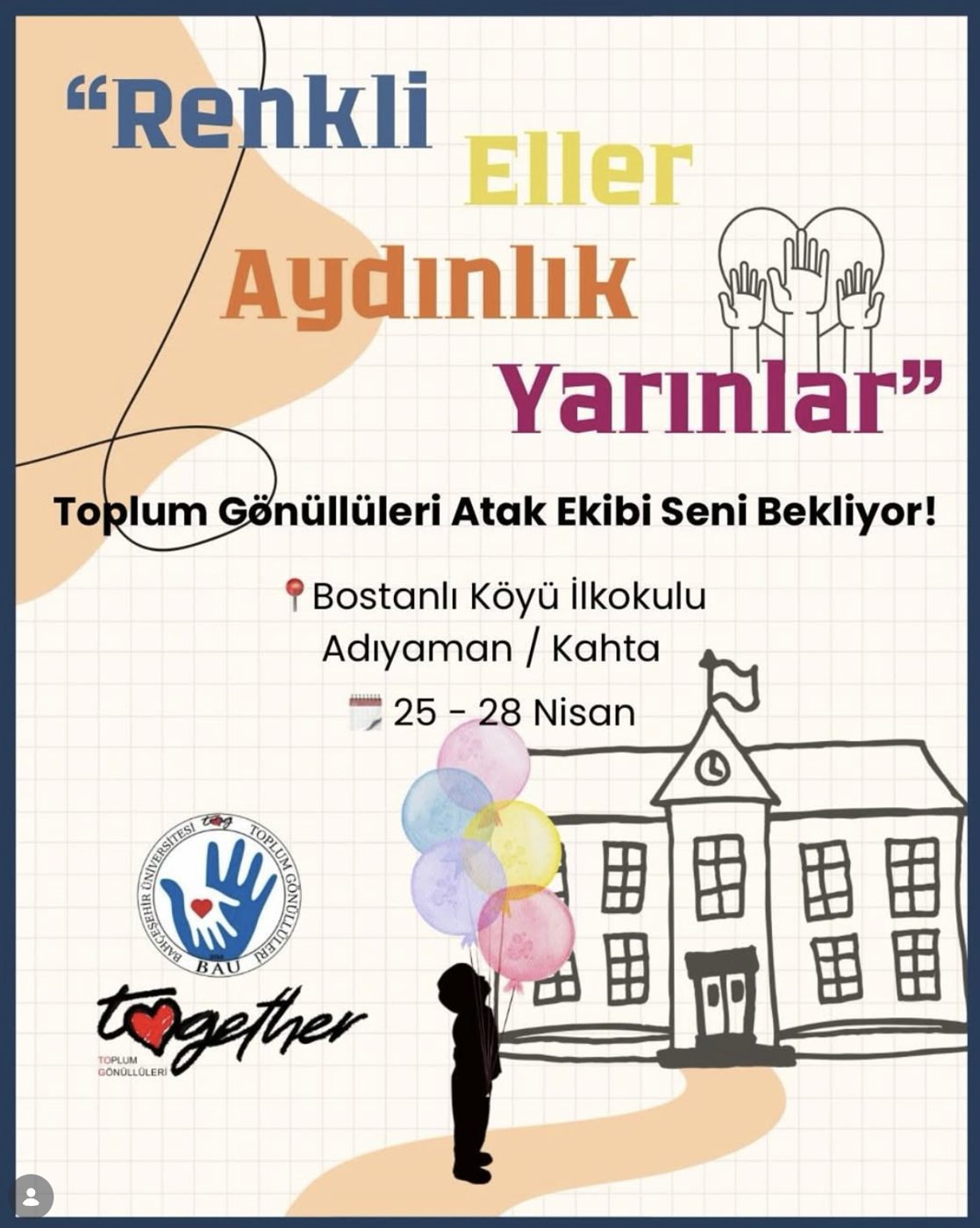
Bahçeşehir University's Community Volunteers Club collaborated with the Community Volunteers Foundation (Toplum Gönüllüleri Vakfı – TOG) through the national ATAK Project to address the heating needs of Bostanlı Village Primary School in Adıyaman. Over four days, student volunteers contributed to improving the school's physical conditions, helping create a more comfortable learning environment for children.
The volunteering programme also included activities with children at the village school and in a container settlement, combining practical support with social interaction and community engagement. Training at the support centre provided students with opportunities to learn from field experiences while contributing directly to local needs. The initiative advances SDG 4 (Quality Education), SDG 10 (Reduced Inequalities), and SDG 17 (Partnerships for the Goals) through NGO collaboration, educational support, and inclusive community volunteering.
6. BAU Community Volunteers Student Club, TOG and Yapı Kredi: Yarınlara Kartopu Project
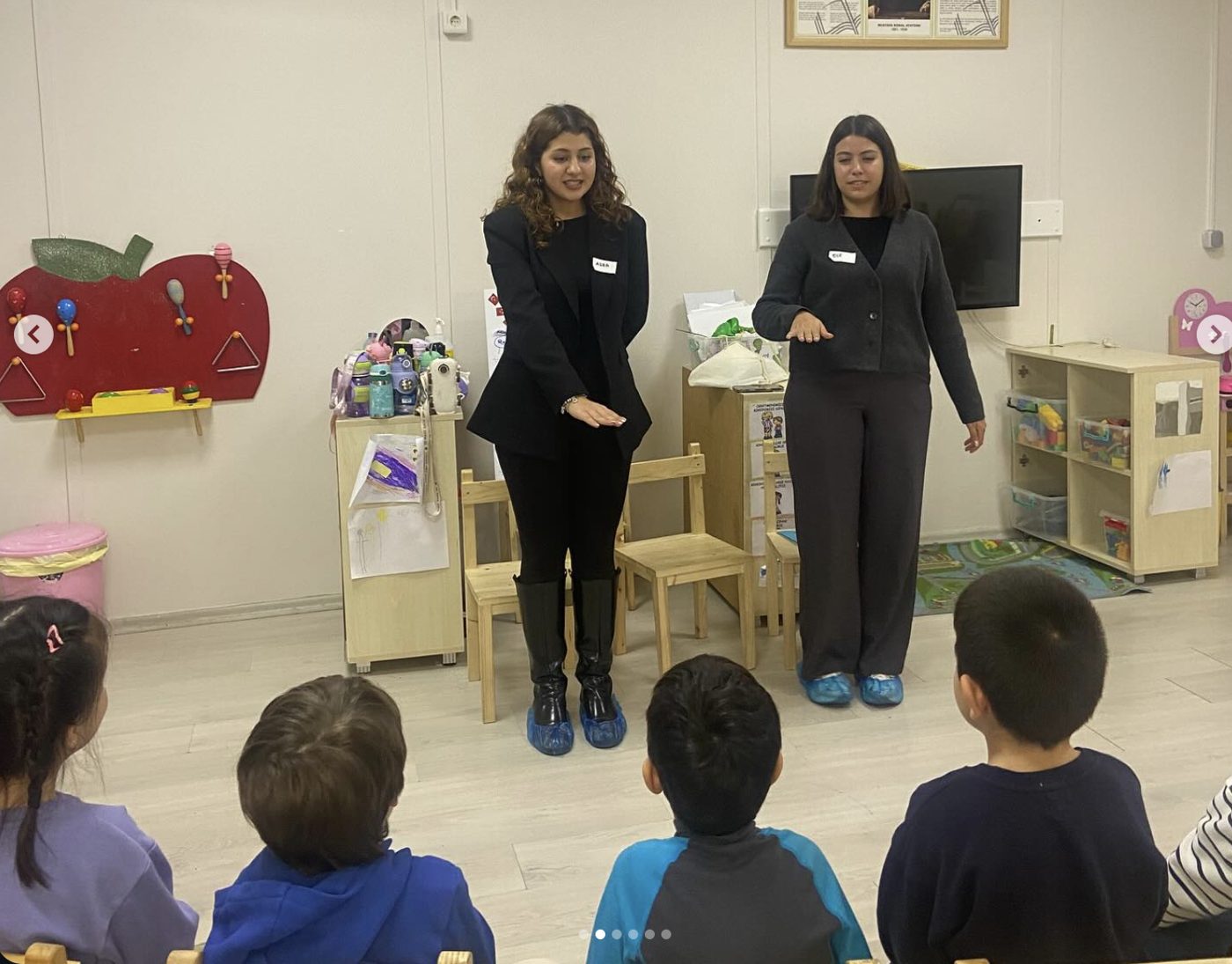
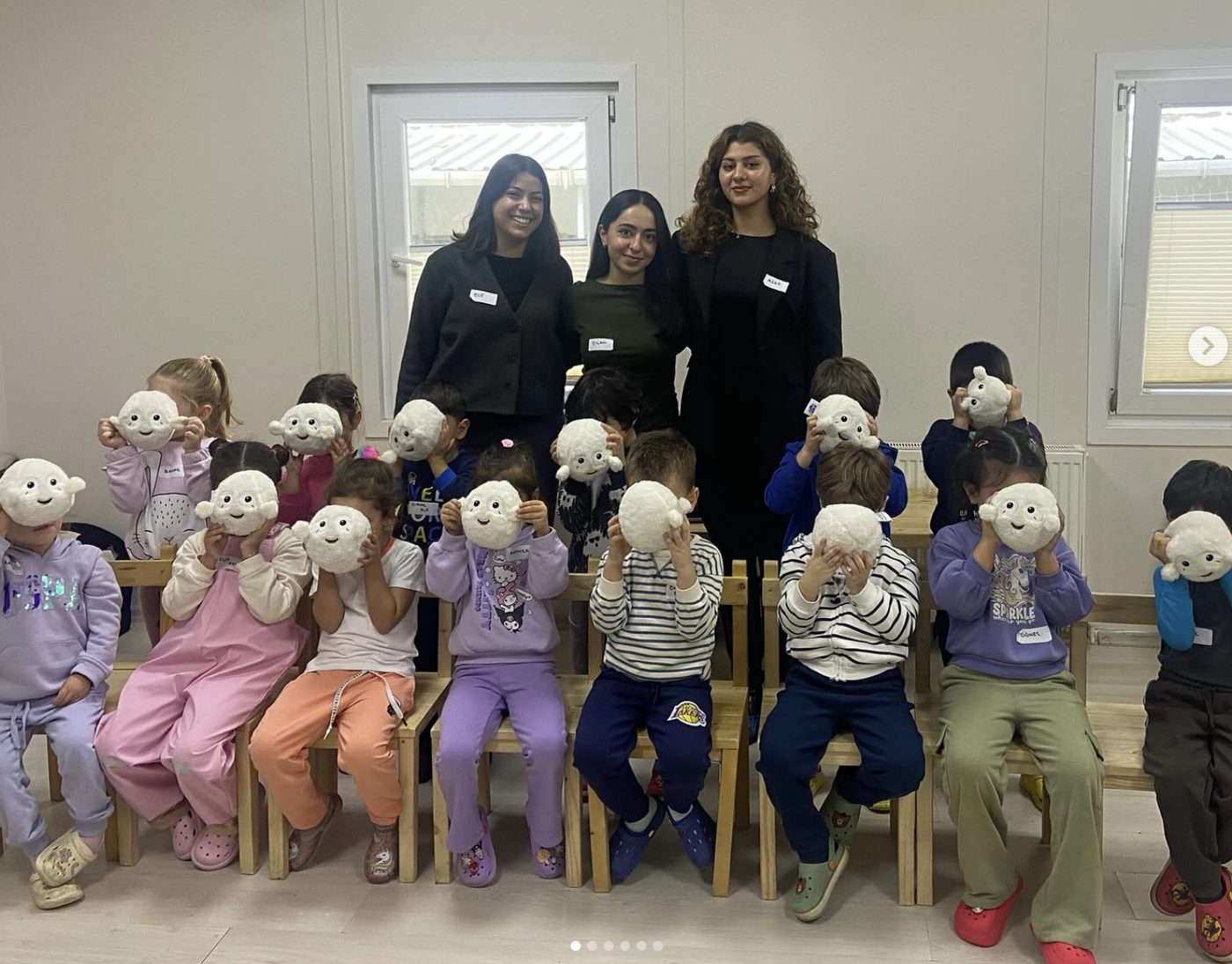
In 2025, Bahçeşehir University's Community Volunteers Student Club actively participated in implementing the Yarınlara Kartopu Project, initiated by Yapı Kredi in cooperation with the Community Volunteers Foundation (TOG). Student volunteers delivered the project's first classroom activities with the preschool group at Selçuk Vocational and Technical Anatolian High School, supporting the social, emotional, physical, and cognitive development of children aged three to six.
Through direct interaction with young children, BAU volunteers helped translate the partnership's early childhood development objectives into practical educational activities. While the wider initiative also provides online resources for parents and practitioners, BAU students' involvement focused on classroom-based volunteering and engagement with preschool children. This collaboration supports SDG 4 (Quality Education) and SDG 17 (Partnerships for the Goals) through early childhood education and multi-stakeholder cooperation.
7. BAU Student Clubs and Cancer-Free Life Association: Charity Fundraising at the Istanbul Marathon
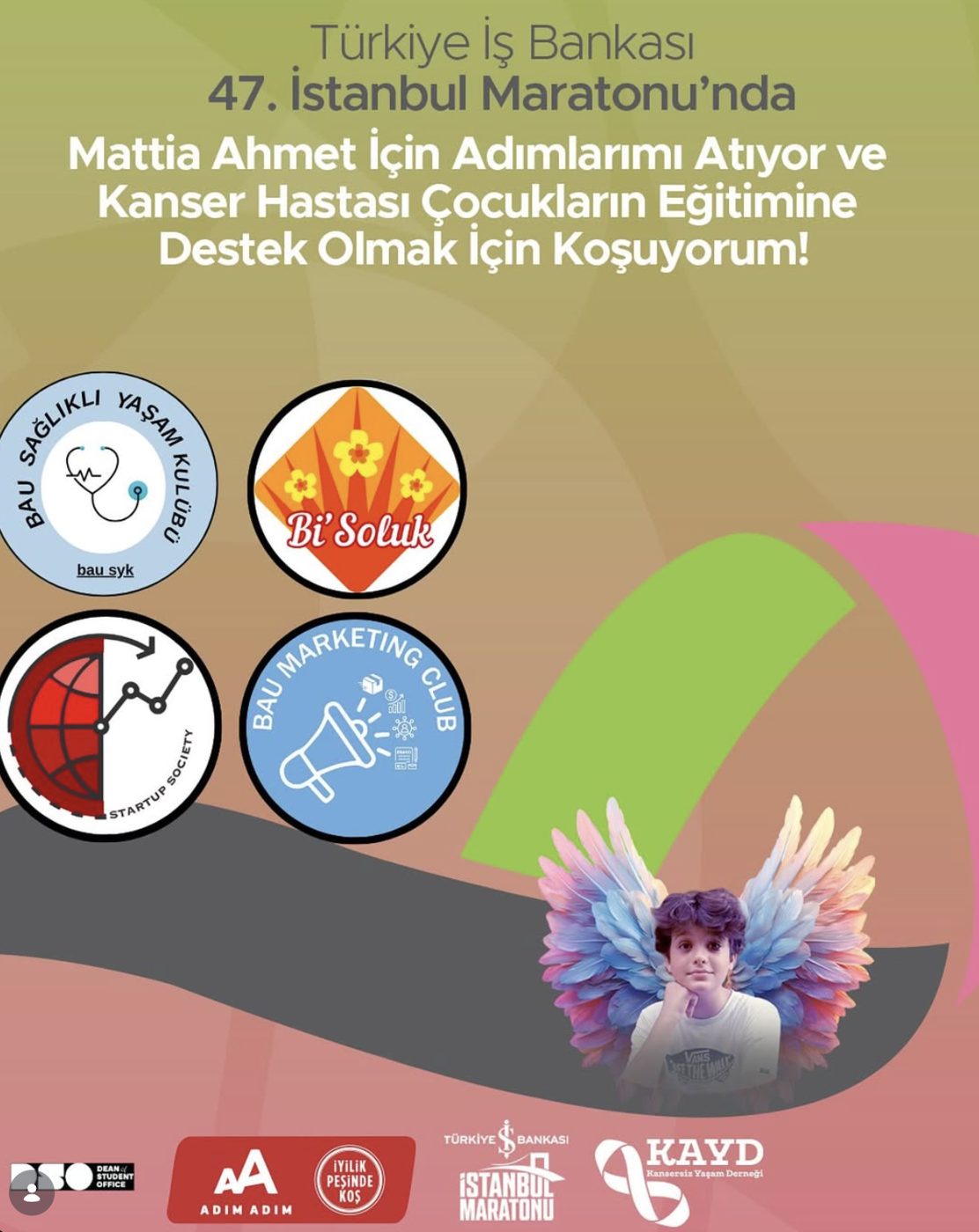
In 2025, Bahçeşehir University's Startup, Investment, Healthy Living, and Bi'Soluk student clubs participated in the 47th Istanbul Marathon on behalf of the Cancer-Free Life Association (Kansersiz Yaşam Derneği – KAYD). Students combined their participation in the sporting event with a joint charity fundraising campaign, mobilizing donations to support the association's work in cancer-related assistance and awareness.
By contributing their time, collective effort, and fundraising activities, student volunteers supported an NGO's social mission while encouraging solidarity and civic participation within the university community. The initiative contributes to SDG 3 (Good Health and Well-Being) and SDG 17 (Partnerships for the Goals) through student-led charitable action and cooperation with civil society.
8. BAU Young TEMA Club and TEMA Foundation: Nature and Water Awareness Workshop
In the 2024-2025 academic year, Bahçeşehir University's Young TEMA Club, affiliated with the environmental NGO TEMA Foundation, organized a Nature and Water Awareness Workshop at Biltes College in Istanbul. Student volunteers introduced young learners to environmental responsibility, sustainable living, and the importance of protecting soil, nature, and water resources through interactive examples and educational activities.
The workshop highlighted the interconnectedness of natural ecosystems and encouraged children to recognize their own role in conserving clean water and protecting the environment. Through this NGO-affiliated student volunteering initiative, BAU contributes to SDG 4 (Quality Education), SDG 6 (Clean Water and Sanitation), and SDG 15 (Life on Land) by promoting environmental awareness and sustainable behavior among younger generations.
9. BAU Bi'Soluk Student Club and Çorbada Tuzun Olsun Association: Monthly Solidarity Activities (2024–2025 Academic Year)
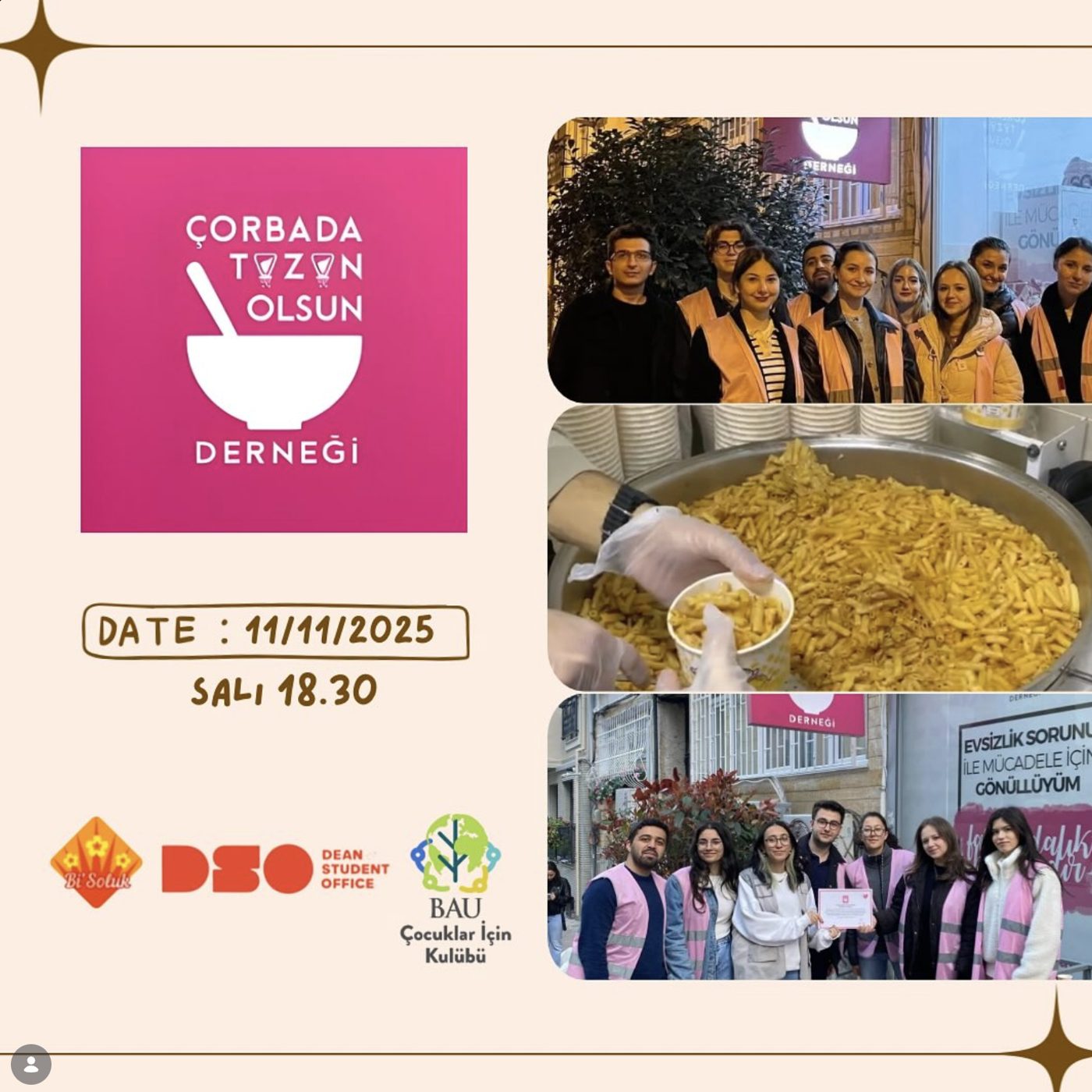
Bahçeşehir University's Bi'Soluk Student Club, together with the BAU Gastronomy Club, collaborates with the NGO Çorbada Tuzun Olsun through regular monthly volunteering activities supporting individuals experiencing poverty and homelessness in Istanbul. Throughout the 2024–2025 academic year, student volunteers participated in preparing and distributing hot meals and soup to people in need, contributing directly to food assistance and community solidarity.
Beyond providing nourishment, these activities promote empathy, social awareness, and meaningful interaction with vulnerable members of society. The ongoing NGO–university partnership demonstrates how sustained student volunteering can address immediate community needs while supporting SDG 1 (No Poverty), SDG 2 (Zero Hunger), SDG 10 (Reduced Inequalities), and SDG 17 (Partnerships for the Goals).
10. BAU Young TEMA Club: Recycling Workshop
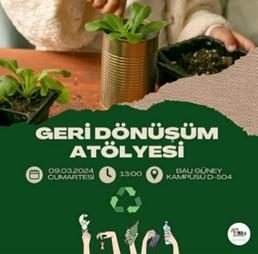
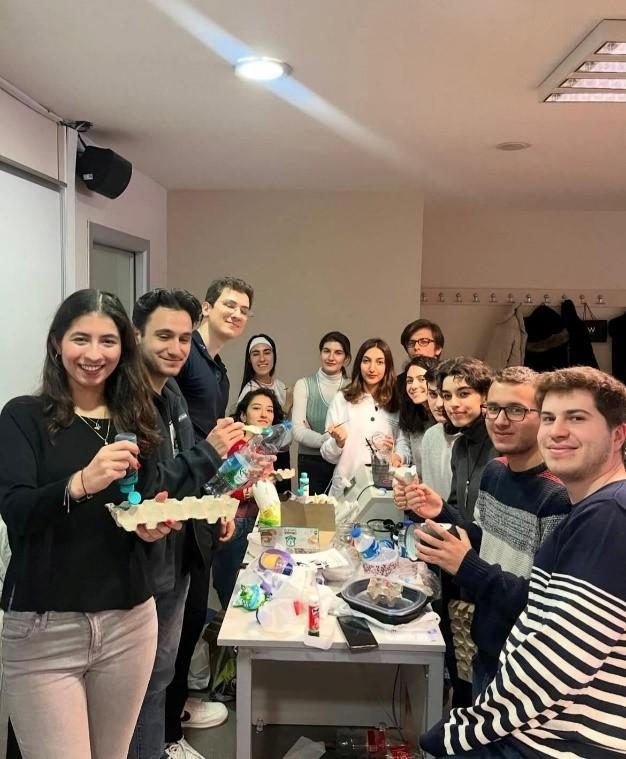
Members of Bahçeşehir University's Young TEMA Student Club organized a Recycling Workshop focused on promoting responsible consumption and waste reduction through hands-on learning. During the activity, students repurposed everyday materials, including plastic bottles, cans, and paper, into useful new objects, demonstrating practical ways to reduce waste and extend the life of resources.
As an environmental student club affiliated with TEMA Foundation, Young TEMA encourages students to participate in sustainability-oriented volunteering and awareness activities. The workshop contributed to SDG 12 (Responsible Consumption and Production) and SDG 13 (Climate Action) by promoting resource efficiency, recycling, and environmentally responsible behavior.
11. BAU Young TEMA Club, TEMA Foundation and Pendik Municipality: Tree Planting Initiative
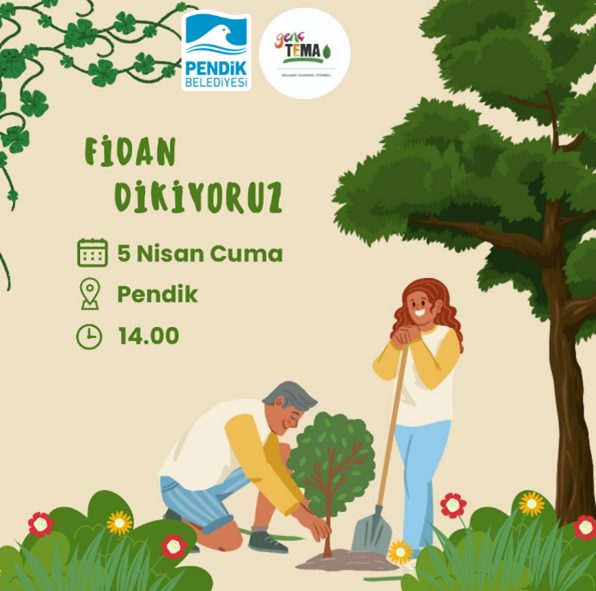
Bahçeşehir University's Young TEMA Student Club collaborated with TEMA Foundation and Pendik Municipality to organize a tree planting activity focused on environmental responsibility and ecological restoration. Student volunteers actively planted saplings and gained practical knowledge about planting techniques, soil care, and the long-term environmental benefits of reforestation.
The activity combined NGO collaboration, local government participation, and hands-on student volunteering to raise awareness of ecosystem protection and nature-based approaches to climate resilience. Through direct environmental action, the initiative supports SDG 13 (Climate Action), SDG 15 (Life on Land), and SDG 17 (Partnerships for the Goals).
12. BAU Students: Responsible Consumption Education at Lütfi Banat Primary School
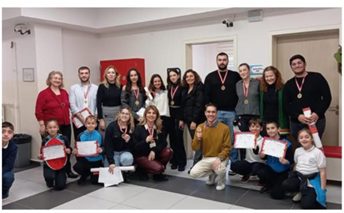
In the 2024-2025 academic year, Bahçeşehir University's Department of Business Administration and the BAU Branding Innovation Center organized a social responsibility activity at Levent Lütfi Banat Primary School with the participation of volunteer university students. The programme engaged 120 fourth-grade pupils in interactive workshops exploring domestic products, brand identity, sustainability, and responsible consumption.
Through creative brand design and shopping simulation activities, student volunteers helped children understand ethical consumption and conscious purchasing decisions in an engaging educational setting. The initiative demonstrates BAU's commitment to student-led community engagement and supports SDG 4 (Quality Education) and SDG 12 (Responsible Consumption and Production) through practical sustainability education.
13. BAU Faculty of Dentistry and Turkish Down Syndrome Association: Volunteer Dental Screening and Preventive Care
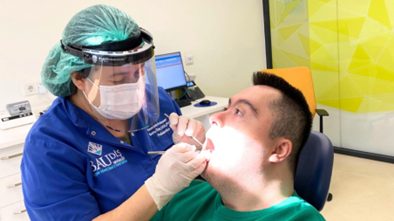
Bahçeşehir University's Faculty of Dentistry collaborated with the Turkish Down Syndrome Association to organize a community health initiative with the active participation of volunteer students. The programme provided oral and dental screenings for individuals with special needs, together with tailored treatment plans and practical guidance on maintaining oral hygiene.
Emphasizing early diagnosis, preventive care, and regular follow-up, the activity supported access to inclusive healthcare services while enabling students to contribute their developing professional knowledge and skills to community well-being. Through this NGO–university student volunteering collaboration, BAU advances SDG 3 (Good Health and Well-Being), SDG 10 (Reduced Inequalities), and SDG 17 (Partnerships for the Goals).
Further examples of social responsibility and student volunteering activities carried out by BAU students in collaboration with non-governmental organizations (NGOs) can be accessed through the supporting evidence links.
Bahcesehir University- and the Association of Real Estate Investors (GYODER): “Construction Sector and Labor Dynamics in Turkey ” Research Report
The image below shows a screenshot from the official website of GYODER displaying the report ‘Construction Sector and Labor Force Dynamics: Türkiye developed in collaboration with Bahcesehir University.
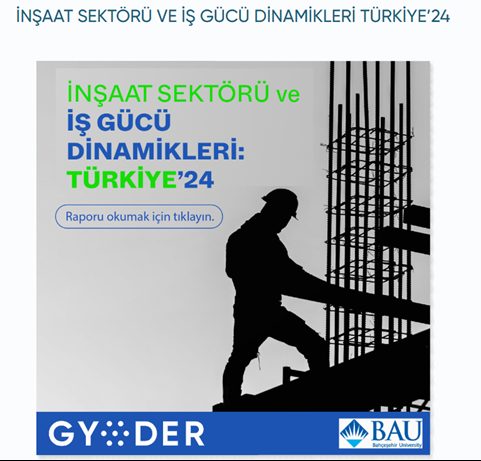
During the 2024–2025 academic year, Bahçeşehir University (BAU) contributed to SDG-related research through its collaboration with the Association of Real Estate Investors (GYODER), a leading Turkish non-governmental organization (NGO) representing stakeholders in the real estate and construction sectors.
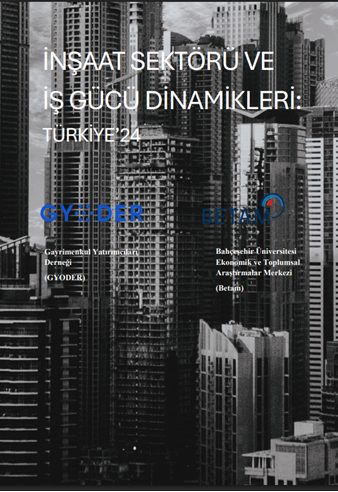
The collaboration was undertaken through BAU's Center for Economic and Social Research (BETAM) and resulted in the research report “Construction Sector and Labour Dynamics: Türkiye ” (İnşaat Sektörü ve İş Gücü Dinamikleri: Türkiye . The study examined structural challenges and emerging opportunities within Türkiye's construction industry, one of the country's major sources of economic activity and employment.
Combining BAU's academic research expertise with GYODER's sectoral knowledge and stakeholder engagement, the study investigated workforce composition, employment patterns, labour productivity, skills development, and the effects of digital transformation on the construction sector. Drawing on comparative international data and sector-specific insights, the research provided an evidence-based assessment of challenges affecting the industry's workforce and long-term development.
A central dimension of the research concerned the relationship between employment quality, workforce skills, gender equality, and sustainable economic growth. By examining these interconnected issues, the study contributed to a better understanding of how the construction industry can strengthen labour market participation, improve working conditions, and respond to changing technological and economic demands.
The BAU–GYODER collaboration demonstrates the role of university–NGO research partnerships in generating knowledge relevant to the Sustainable Development Goals. Through BETAM, BAU contributed academic analysis and research capacity, while GYODER provided an important connection to the sector and its practical challenges. This cooperation helped bridge academic research, industry experience, and evidence-informed approaches to sustainable development.
The research also generated findings relevant to labour market strategies, vocational education, inclusive employment, and sectoral transformation, providing a knowledge base that can inform future discussions among researchers, civil society organizations, industry stakeholders, and policymakers.
The initiative primarily contributes to SDG 8 (Decent Work and Economic Growth) through research on employment dynamics, productivity, and working conditions; SDG 5 (Gender Equality) through attention to gender disparities and inclusive workforce participation; SDG 9 (Industry, Innovation and Infrastructure) through the examination of digital transformation and sectoral development; and SDG 17 (Partnerships for the Goals) through collaborative research between academia and an NGO.
By conducting research in partnership with GYODER, Bahçeşehir University strengthens its contribution to SDG-oriented knowledge production and demonstrates how academic institutions and civil society organizations can work together to address economic, social, and sustainability challenges through evidence-based research.
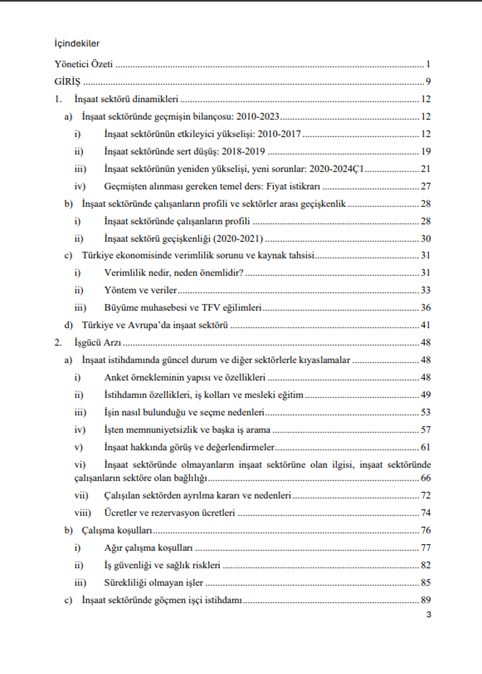
The images below show the cover page and table of contents of the report ‘Construction Sector and Labor Force Dynamics: Türkiye’24,’ prepared through a collaboration between Bahcesehir University and GYODER, presenting national research on labor dynamics and sustainable industry development.
Bahcesehir University Policy Forum and Outcome Report on Artificial Intelligence and Technology in Hazelnut Agriculture with NGOs

During the 2024–2025 academic year, Bahçeşehir University (BAU) contributed to collaborative SDG-related research, the development of educational resources, and open-access knowledge dissemination through the Policy Forum and Workshop on Artificial Intelligence and Technology Use in Hazelnut Agriculture, held in Giresun, Türkiye.
The initiative brought together the Ministry of Agriculture and Forestry, the Eastern Black Sea Development Agency (DOKA), other public institutions, universities, non-governmental organizations (NGOs), agricultural cooperatives, and private-sector representatives to explore the integration of artificial intelligence (AI) and digital technologies into hazelnut production, a sector of strategic importance to Türkiye's agricultural economy and rural communities.
BAU contributed academic and scientific expertise to the workshop, supporting collaborative discussions and knowledge exchange on agricultural innovation, digital transformation, productivity, workforce development, and environmentally sustainable production practices. The participation of civil society organizations, agricultural stakeholders, researchers, and technology specialists enabled the integration of academic perspectives with practical experience and sector-specific knowledge.
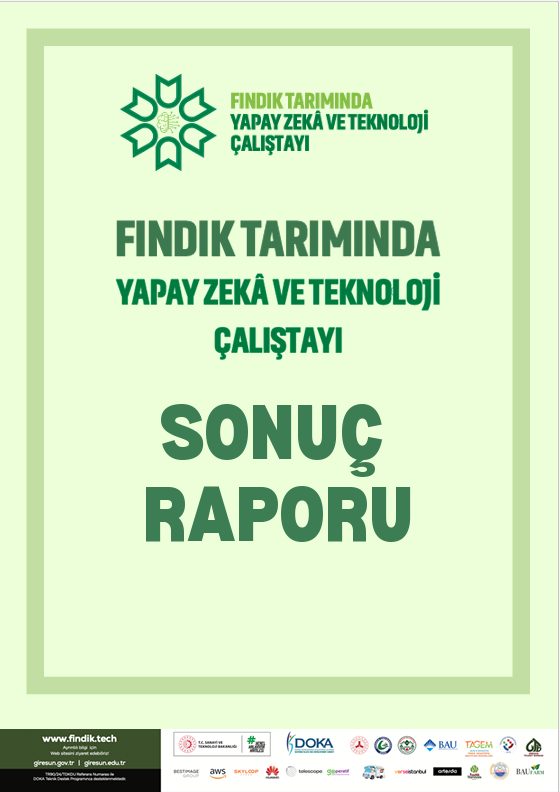
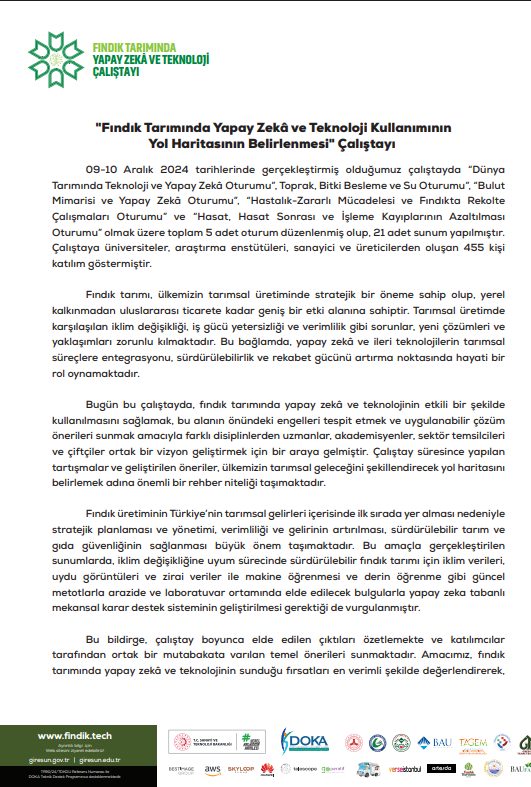
A central outcome of the workshop was the development and publication of the “Outcome Report of the Workshop on Artificial Intelligence and Technology in Hazelnut Agriculture.” The report consolidated the findings of the collaborative discussions, identified sectoral challenges and priorities, and presented recommendations concerning AI adoption, technological adaptation, agricultural productivity, workforce training, and sustainable farming practices.
Importantly, the outcome report was made openly accessible, extending the educational and research value of the workshop beyond its original participants. By making the findings available to a wider audience, the initiative transformed the knowledge generated through multi-stakeholder collaboration into an open-access educational resource for researchers, educators, agricultural professionals, NGOs, cooperatives, and other stakeholders interested in sustainable agriculture and technological innovation.
The report provides a structured reference for understanding the opportunities and challenges associated with agricultural digitalization, including the role of emerging technologies in improving production processes, strengthening workforce capabilities, and supporting environmental sustainability. Its open dissemination contributes to knowledge sharing, professional learning, and the development of educational resources relevant to sustainable food systems.
Through the workshop and its published outcome report, BAU helped connect academic research with the practical knowledge of NGOs, agricultural cooperatives, public institutions, and industry stakeholders, supporting collaborative knowledge production and the wider dissemination of research findings. The initiative demonstrates how university–NGO cooperation can contribute to both SDG-related research and the development of accessible educational materials addressing real-world sustainability challenges.
The collaboration also supported evidence-informed policy discussions concerning technological innovation and sustainable agricultural development. While the workshop's policy recommendations contributed to broader discussions on agricultural transformation, its documented outcome report represents a tangible research and educational resource, extending the impact of the initiative beyond policy dialogue alone.
The initiative primarily contributes to SDG 2 (Zero Hunger) through sustainable agricultural production; SDG 4 (Quality Education) through the development and open dissemination of educational resources; SDG 9 (Industry, Innovation and Infrastructure) through research on AI and agricultural technologies; SDG 13 (Climate Action) through environmentally sustainable farming approaches; and SDG 17 (Partnerships for the Goals) through collaborative research and knowledge sharing.
By contributing to the workshop and the development of its openly accessible outcome report, Bahçeşehir University strengthened its role in SDG-oriented collaborative research and educational resource development, demonstrating how academic expertise and multi-stakeholder cooperation can generate knowledge that supports sustainable agricultural transformation.
The images below show pages from the outcome report of the workshop ‘Defining the Roadmap for the Use of Artificial Intelligence and Technology in Hazelnut Farming,’ which was conducted with contributions from Bahcesehir University and other academic, governmental, and industry stakeholders to advance sustainable and technology-driven agriculture.
BAU– United Nations Institute for Training and Research (UNITAR) Equal Opportunity in Technology Certification Program and Online Educational Materials
The image below shows the poster of BAU– United Nations Institute for Training and Research (UNITAR) Equal Opportunity in Technology Certification Program.

During the 2024–2025 academic year, Bahçeşehir University (BAU) continued its collaboration with the United Nations Institute for Training and Research (UNITAR) through CIFAL Istanbul, operating within BAU, and Yapı Kredi Bank to develop, deliver, and internationally disseminate free online educational resources under the Equal Opportunity in Technology Certification Program (Eşit Fırsatlar Teknolojide).
Launched in 2023, the initiative aims to reduce gender inequalities in technology education by providing women with access to digital skills training and professional development opportunities. The programme's educational materials and certification modules are developed and delivered by BAU academics, combining academic expertise with practical technological knowledge.
The programme provides free online educational materials covering Big Data, Artificial Intelligence, Cloud Technologies, Cybersecurity, the Internet of Things (IoT), and Industry 5.0. These structured learning resources combine theoretical knowledge with practical digital competencies and are accessible beyond traditional university education.
Throughout 2025, the programme continued to provide free access to its educational resources for all women aged 15 and above, without an upper age limit, building on the inclusive eligibility framework introduced in 2024. The initiative also maintained its special access provisions for individuals of any gender residing in the Hope Cities established following the Kahramanmaraş earthquakes, supporting equitable educational opportunities for communities affected by the disaster.
A significant development in 2025 was the international expansion of the programme to Azerbaijan, extending the reach of BAU's digital education initiative beyond Türkiye. Through this expansion, educational content developed by BAU academics was introduced into a broader international learning framework, facilitating cross-border knowledge sharing and access to technology education.
Through its collaboration with UNITAR and Yapı Kredi Bank, BAU demonstrates how university-developed educational materials can be shared internationally through institutional partnerships, contributing to inclusive digital transformation, lifelong learning, and wider access to emerging technologies.
The initiative primarily supports SDG 4 (Quality Education) through the development and free dissemination of educational resources; SDG 5 (Gender Equality) through women's digital empowerment; SDG 8 (Decent Work and Economic Growth) through professional skills development; SDG 9 (Industry, Innovation and Infrastructure) through technology education; and SDG 17 (Partnerships for the Goals) through international cooperation and knowledge exchange.
Bahçeşehir University–Advertisers Association Collaboration: Joint Research and Dissemination of the Effie Awards Türkiye Gender Equality Report
The image below portrays the cover of the Effie Awards Gender Equality Report 2024:
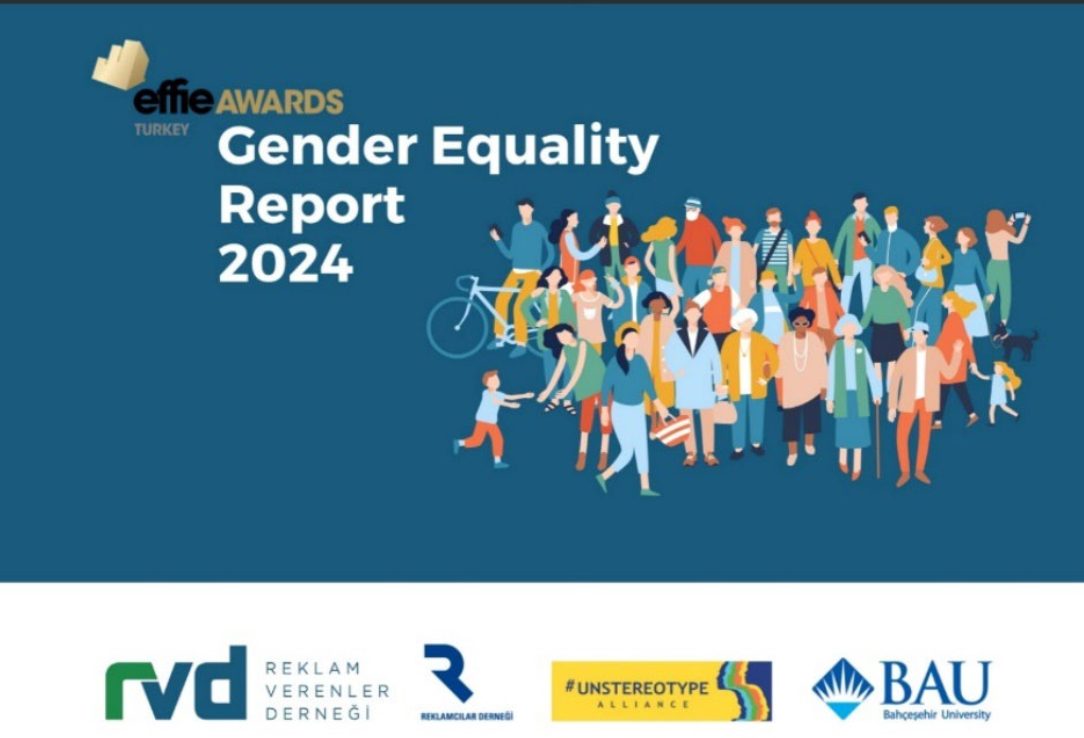
During the 2024–2025 academic year, Bahçeşehir University (BAU) continued its long-standing research collaboration with the Advertisers Association of Türkiye (Reklamverenler Derneği – RVD), a non-governmental organization representing the advertising industry, through the Effie Awards Türkiye Gender Equality Research Project. The initiative contributes to SDG-related research by examining gender representation in advertising and generating evidence to support more inclusive communication practices.
Conducted by BAU's Department of Advertising in partnership with RVD since 2018, the research systematically analyzes television advertisements that have won awards or been shortlisted for the Effie Awards Türkiye. Covering 25 categories and more than 2,000 advertisements, the study evaluates gender representation through established analytical parameters, providing a longitudinal, data-driven assessment of gender equality in Turkish advertising.
The research is led by Assoc. Prof. Dr. Gül Şener, Assoc. Prof. Dr. Eda Öztürk, and Asst. Prof. Dr. Önder Yönet from Bahçeşehir University. Their academic contributions support the systematic examination of gender stereotypes, representation patterns, and opportunities for more equitable portrayals of women and men in commercial communication.
A significant outcome of this ongoing university–NGO research collaboration is the production of the Effie Awards Türkiye Gender Equality Report, which translates academic analysis into a research resource for advertising professionals, industry organizations, educators, and other stakeholders interested in gender equality and responsible communication.
During the 2024–2025 academic year, the findings of the Effie Gender Equality Report 2024 were presented at the Effie Awards Türkiye 2025 ceremony by Ahmet Pura, President of RVD. This dissemination brought the jointly produced research findings directly to advertising industry stakeholders, extending their reach beyond academia and supporting evidence-informed discussions on gender representation and inclusive advertising practices.
By jointly producing and disseminating research findings with an NGO partner, BAU contributes to the development of knowledge resources that can inform professional learning, industry awareness, and more inclusive communication practices. The continued collaboration demonstrates how academic research can be translated into practical resources for a wider professional community.
The initiative primarily supports SDG 5 (Gender Equality) by examining and challenging gender stereotypes in advertising; SDG 10 (Reduced Inequalities) by promoting awareness of inclusive representation; and SDG 17 (Partnerships for the Goals) through sustained collaboration between a university and a non-governmental organization.











