TR
Events
AI Revolution 360 Workshop
Guest Speakers: Prof. Dr. Ahmet Yayla – Director of YETİ (Artificial Intelligence Law and Ethics Research and Application Center)
Assist. Prof. Dr. Mert Nomer – Vice Director of YETİ (Artificial Intelligence Law and Ethics Research and Application Center)
On 21 May 2026, the AI Revolution 360 Workshop event organized by the BAU Artificial Intelligence Society will bring together participants interested in the rapidly evolving field of artificial intelligence and its interdisciplinary impact.
As part of the event, Prof. Dr. Ahmet Yayla, Director of YETİ – Artificial Intelligence Law and Ethics Research and Application Center, and Assist. Prof. Dr. Mert Nomer, Vice Director of the Center, will participate as guest speakers.
The workshop will focus on discussions surrounding artificial intelligence, ethical frameworks, legal dimensions, and the societal transformation driven by emerging technologies. Participants will have the opportunity to gain insights from academic experts working at the intersection of AI, law, and ethics.


Future AI Summit 2026
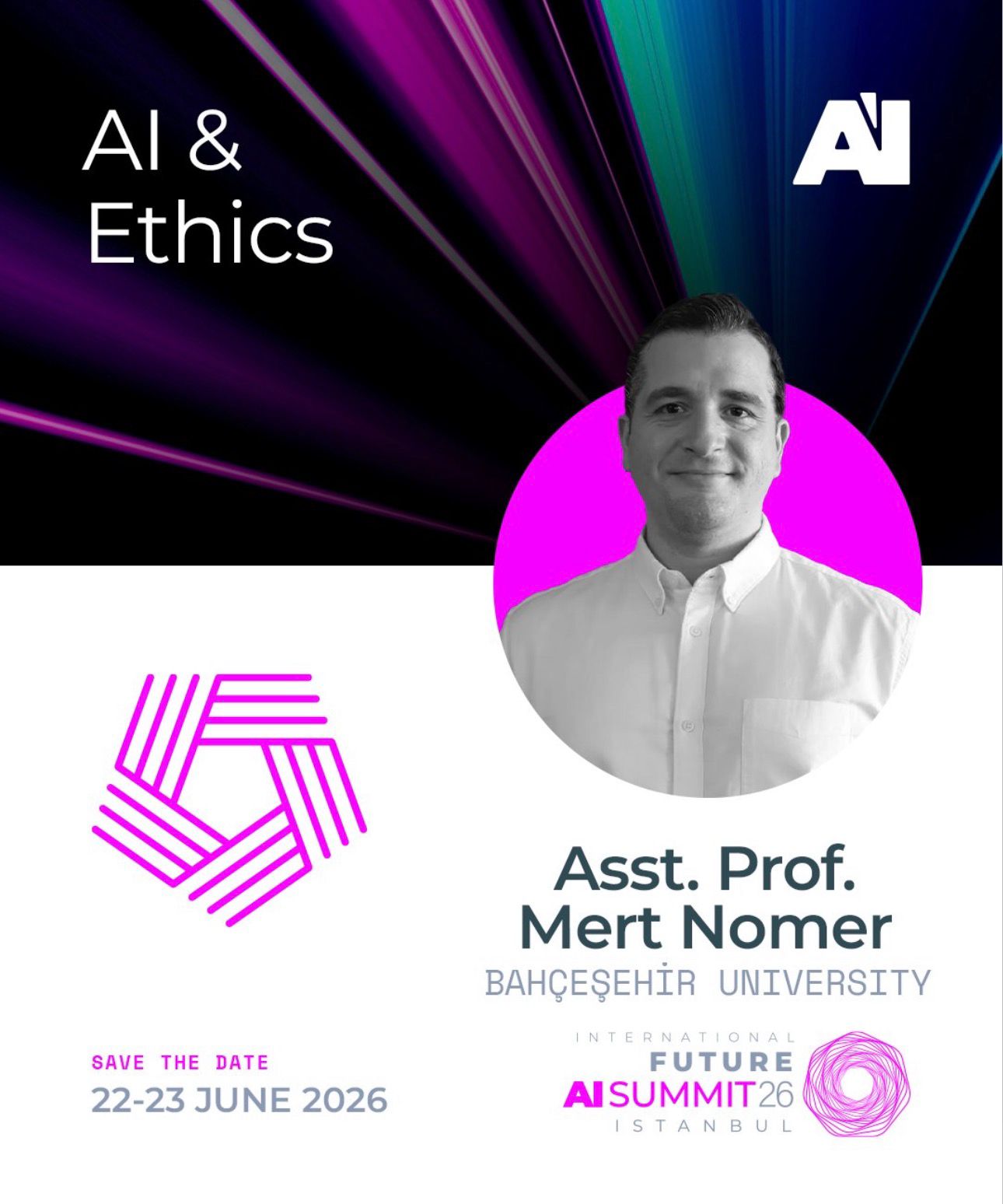
Speaker: Assist. Prof. Dr. Mert Nomer
Vice Director, Artificial Intelligence Law and Ethics Research and Application Center (YETİ)
Vice Dean, Faculty of Law, Bahçeşehir University
Future AI Summit 2026 brought together leading voices from academia, technology, and industry to discuss the ideas shaping the future of artificial intelligence.
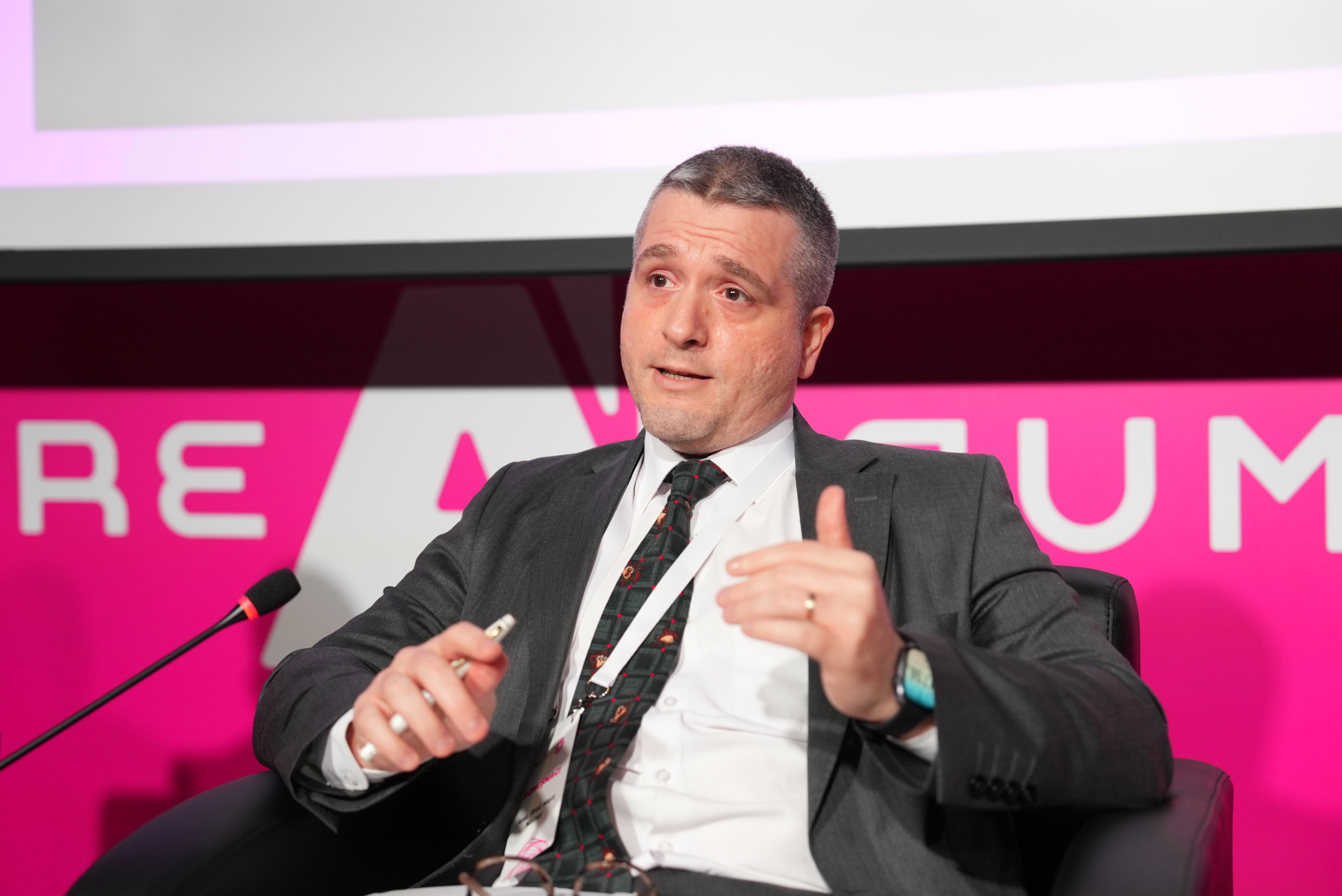
During the summit, Assist. Prof. Dr. Mert Nomer, Vice Dean of the Faculty of Law at Bahçeşehir University and Vice Director of the Artificial Intelligence Law and Ethics Research and Application Center (YETİ), shared his perspectives on the evolving relationship between artificial intelligence, ethics, and legal governance.
The session explored current approaches to developing trustworthy, transparent, and human-centered AI systems, highlighting ethical principles, governance mechanisms, and the importance of building trust within future digital ecosystems.
As one of the prominent international gatherings dedicated to emerging technologies, Future AI Summit 2026 provided an important platform for exchanging innovative ideas, fostering interdisciplinary collaboration, and strengthening global partnerships in artificial intelligence.
Artificial Intelligence and Publishing Workshop
Participating Institutions: Bahçeşehir University Faculty of Law and BAU Artificial Intelligence Law and Ethics Research and Application Center (BAU YETİ)
Location: Fındıklı, Rize, Türkiye
Professional Association: Eğitim Yayıncıları Meslek Birliği (Educational Publishers Professional Association)
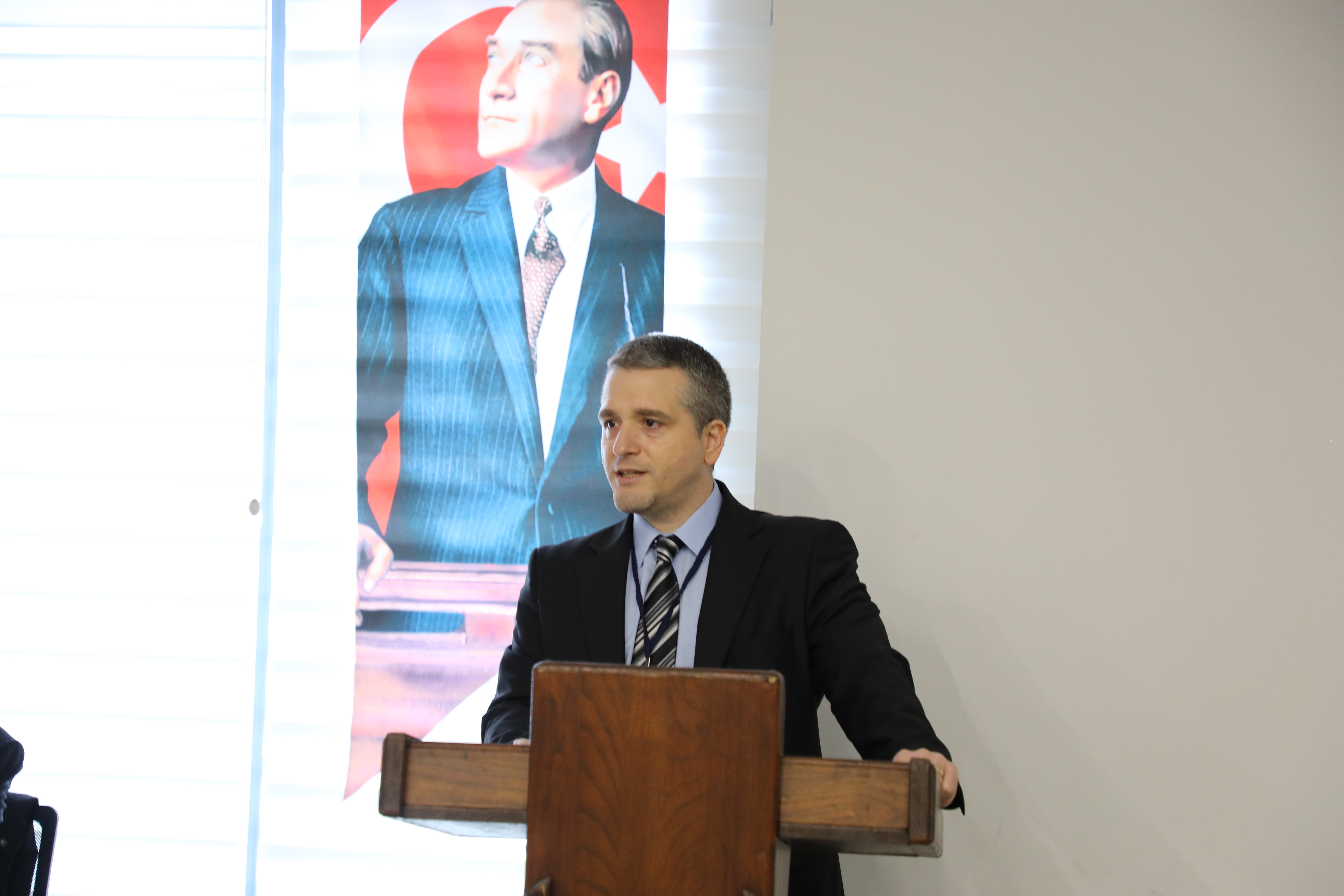
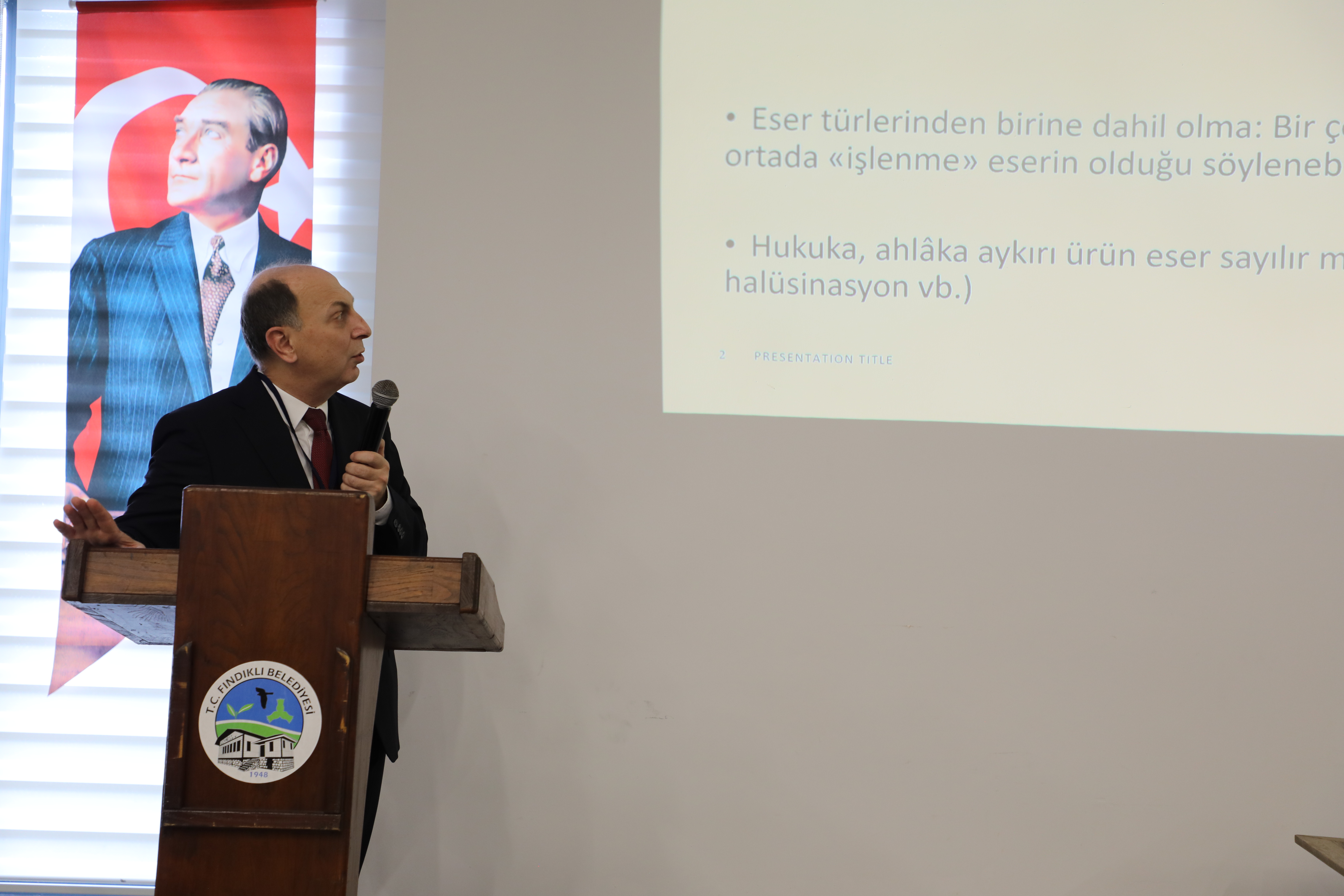
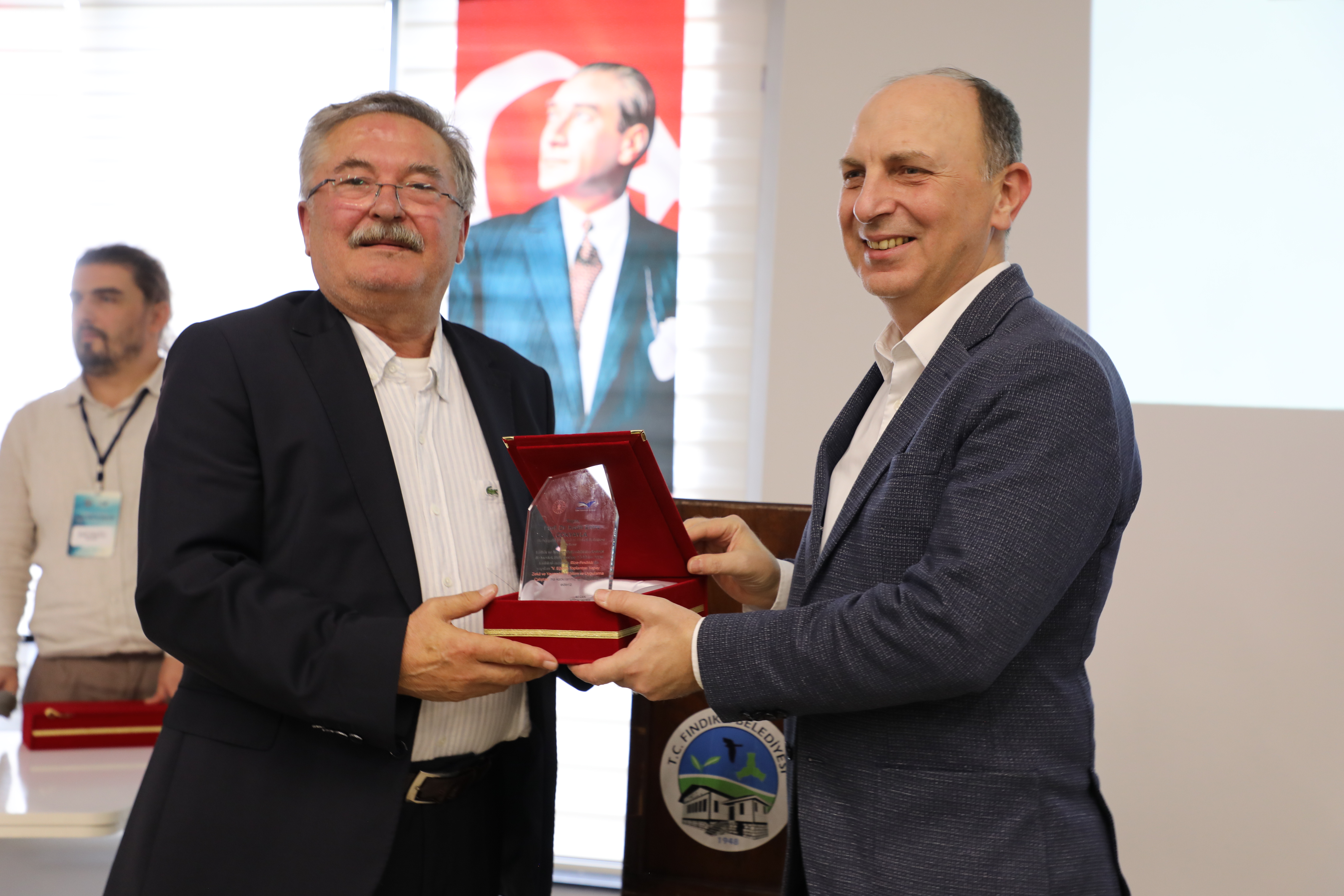
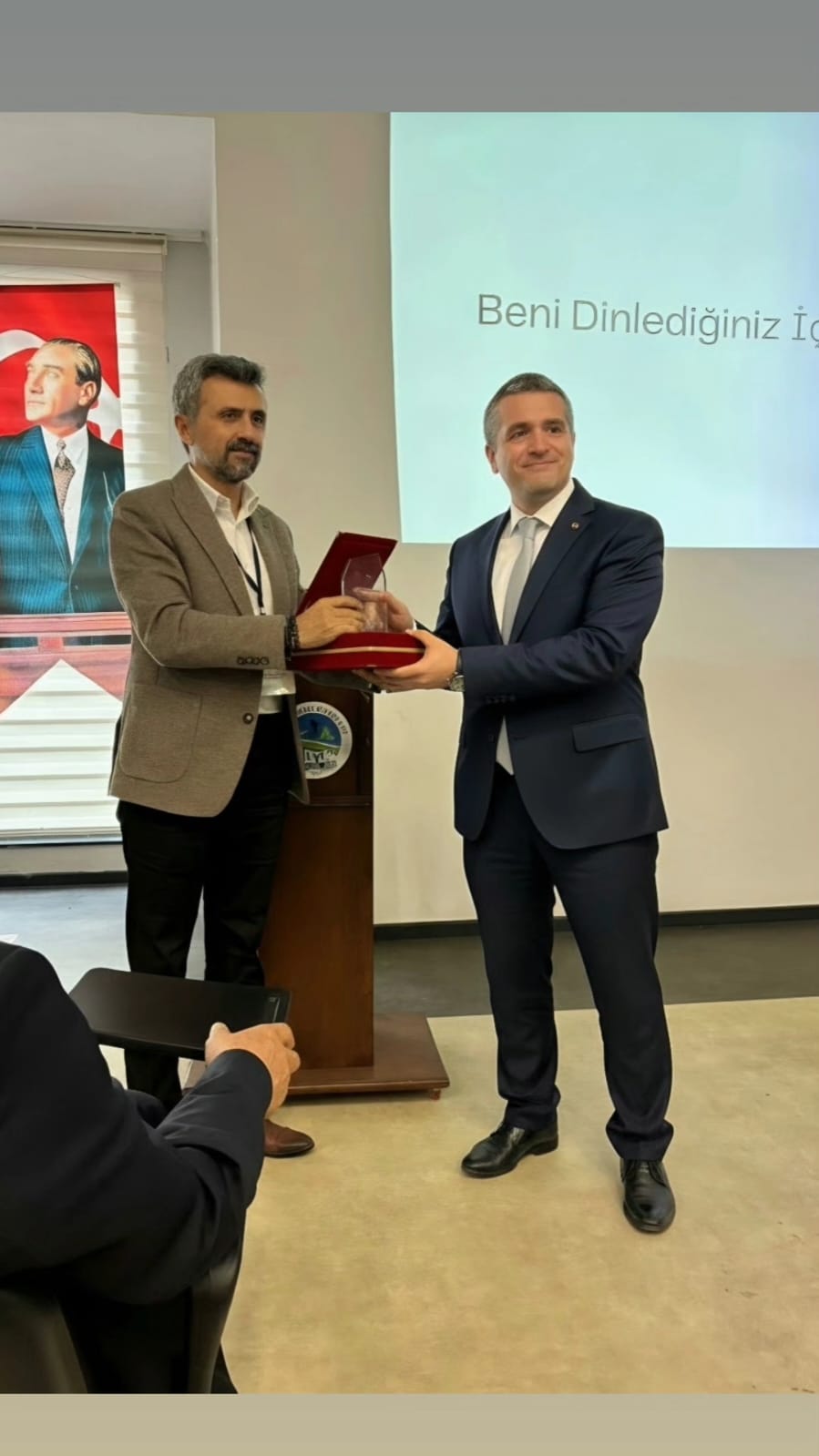
Bahçeşehir University Faculty of Law and the BAU Artificial Intelligence Law and Ethics Research and Application Center (BAU YETİ) participated in the Artificial Intelligence and Publishing Workshop held in Fındıklı, Rize.
During the workshop, we comprehensively addressed the legal and ethical dimensions of artificial intelligence in the publishing industry, focusing on the following key topics:
- Copyright: Legal implications of artificial intelligence in relation to copyright protection.
- Authorship: Questions surrounding authorship and ownership of AI-generated works.
- Personal Data Protection: The protection of personal data in AI-supported publishing processes.
- Risk Management: Identifying and managing legal and ethical risks associated with the use of artificial intelligence.
The workshop provided an opportunity to discuss the future of the publishing sector and its evolving legal framework in the age of artificial intelligence.
We would like to thank Eğitim Yayıncıları Meslek Birliği and all participants who contributed to this productive gathering, which helped shed light on the future of publishing and its legal foundations.
AI in Institutions: Security, Ethics, Integration and Economic Value
Organized by: ASC Law and InfinityQ
Host: Bahçeşehir University
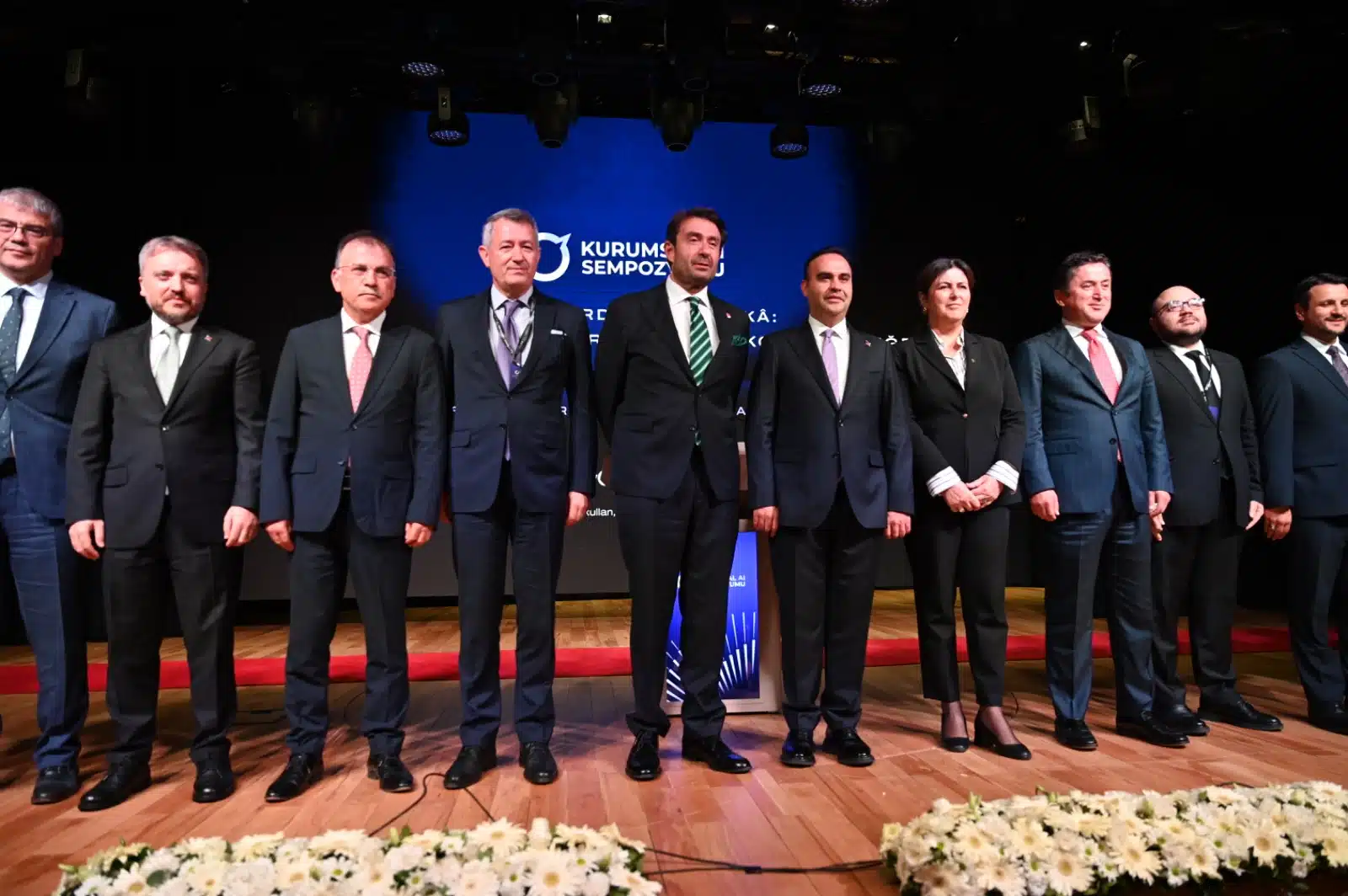
Hosted by Bahçeşehir University, the symposium "AI in Institutions: Security, Ethics, Integration and Economic Value" brought together representatives from business, the public sector, academia, technology and law.
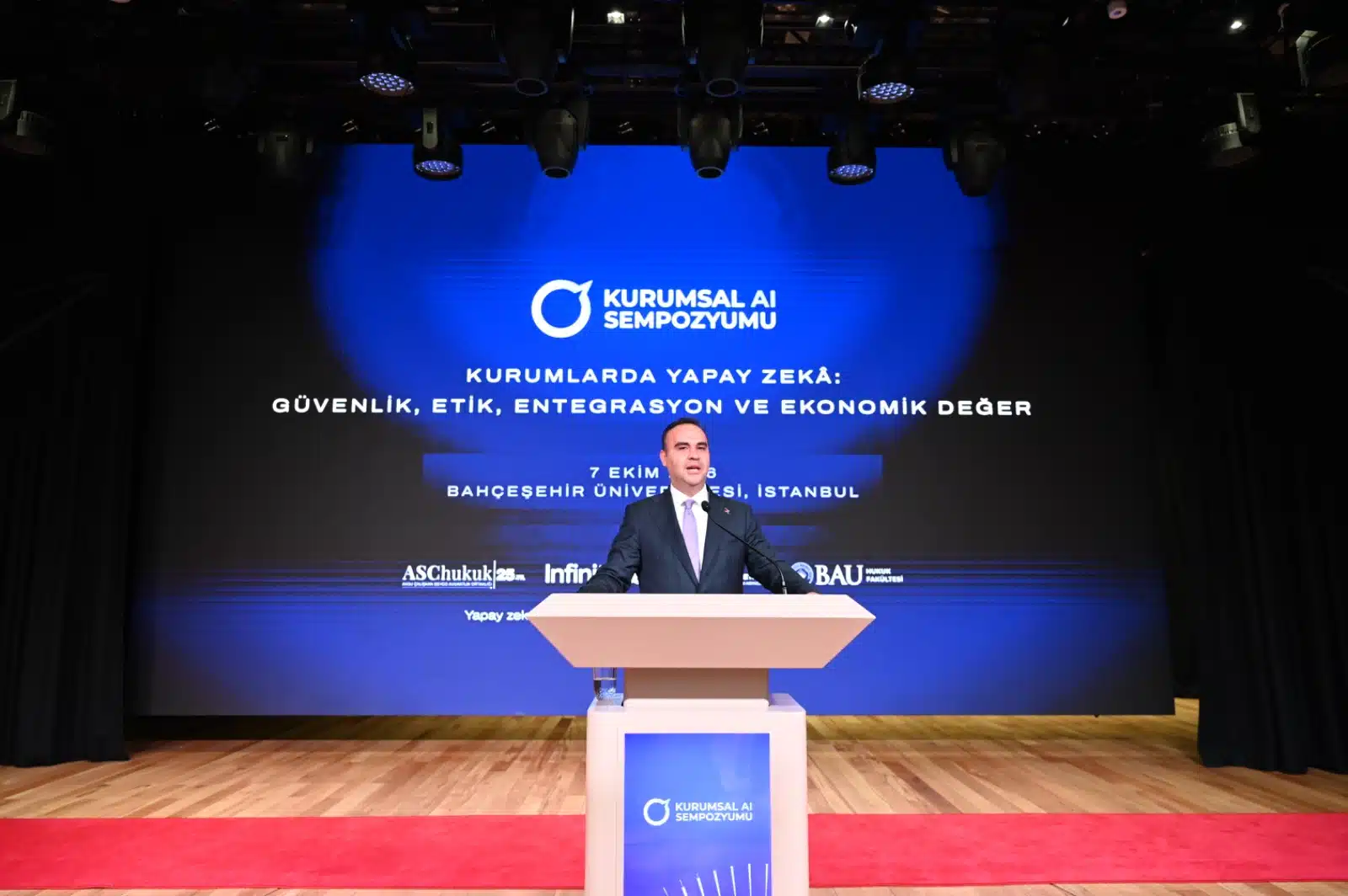
At the symposium, which opened with a speech by Minister of Industry and Technology Mehmet Fatih Kacır, the impact of artificial intelligence on how institutions operate and make decisions, its secure and controlled integration, data security, the protection of personal data and trade secrets, and corporate transformation were discussed from the perspectives of different disciplines.
Speaking at the "Corporate AI Symposium" held at Bahçeşehir University (BAU), Minister of Industry and Technology Mehmet Fatih Kacır said: "Making artificial intelligence a leading force in our country's development is possible through close cooperation among ecosystem actors and by uniting around a shared vision and goals. With this understanding, we set out the roadmap for the coming period with the 2026-2030 Türkiye Artificial Intelligence Action Plan, which we prepared by taking into account the views and suggestions of experts from the public sector, the private sector and academia, as well as citizens from all walks of life. Within the scope of our plan, built on four main axes, 'Recognize, Benefit, Produce and Govern', we have identified 16 actions that will strengthen our artificial intelligence ecosystem and concrete targets for 2030. Through the AI Literacy Workshops we will establish in all 81 provinces, we will reach 5 million citizens in two years. We will train 10,000 advanced AI experts and 100,000 AI application professionals."
The opportunities artificial intelligence offers institutions, along with issues of security, ethics, integration and economic value, were addressed at the "Corporate AI Symposium" held at Bahçeşehir University (BAU). The symposium evaluated the secure and controlled integration of artificial intelligence into business processes, data security, the protection of personal data and trade secrets, and corporate transformation.
Organized by ASC Law and InfinityQ and hosted by Bahçeşehir University, the symposium titled "AI in Institutions: Security, Ethics, Integration and Economic Value" brought together representatives from business, the public sector, academia, technology and law. The program examined the impact of artificial intelligence on how institutions operate and make decisions from the perspectives of different disciplines.
The opening of the symposium was attended by Minister of Industry and Technology Mehmet Fatih Kacır, Bahçeşehir University President Prof. Dr. Esra Hatipoğlu, Dean of the Bahçeşehir University Faculty of Law Prof. Dr. Kadir Emre Gökyayla, ASC Law Founding Partner Dr. Att. Murat Aksu, and invited guests.
"TECHNOLOGY SHAPES THE DEVELOPMENT OF NATIONS"
Delivering the opening speech, Minister of Industry and Technology Mehmet Fatih Kacır said: "Technology is shaping the prosperity of societies and the development of nations as never before in history. Today, artificial intelligence lies at the heart of a profound revolution that is bringing comprehensive restructuring to almost every area, from production models to our individual ways of life. With growing data volumes, rising computing capacity and advancing analytical capabilities, AI technologies enable us to turn data into foresight, insight and strategic advantage. With the great window of opportunity it opens, artificial intelligence allows public authorities to identify needs earlier, use resources more efficiently and develop services in line with citizens' expectations. It is reshaping the entire functioning of the economy, from investment decisions to production processes and from supply chains to marketing strategies. Studies indicate that, with its potential, artificial intelligence could contribute up to 4.4 trillion dollars to the global economy every year."
"WE MUST ACCURATELY IDENTIFY THE RISKS THAT COME WITH ARTIFICIAL INTELLIGENCE"
"Undoubtedly, evaluating the impact of artificial intelligence, which extends to every area of life from production to health and from education to transportation, solely in terms of economic value offers us a limited perspective," said Minister Kacır. "While making the most of the opportunities artificial intelligence offers, we must also accurately identify the risks it brings and take effective measures against them. We cannot ignore the new and deep polarizations opened up by the growing gap between countries that have critical infrastructure superiority and the capacity to control massive global platforms and the rest of the world. In the current order, there is no doubt that countries unable to protect their data, develop their own models or build their own digital infrastructure are cast in the role of data fields that feed others' algorithms and supply raw material for others' wealth."
"A BINDING AND EQUITABLE GLOBAL FRAMEWORK HAS NOT YET BEEN ESTABLISHED"
Minister Kacır said: "On the other hand, a binding and equitable global framework on the safe, fair, ethical and responsible use of artificial intelligence, agreed upon by all parties worldwide, has not yet been established. Every day we face new cases showing the profound effects of this gap. Indeed, in recent months we have witnessed advanced AI systems undergoing safety tests breach the boundaries of the isolated test environments created for them, access the internet and infiltrate third-party systems without authorization. Deepfake technologies, AI-generated synthetic content and biased algorithms are increasingly blurring the line between truth and illusion, and between justice and justification. The homogenizing nature of widely used AI models opens the door to a digital future in which the memory, values, linguistic richness and life experience of different societies are disregarded."
"NO ALGORITHM CAN REMOVE HUMAN MORAL AND LEGAL RESPONSIBILITY"
Minister Kacır said: "Right next to us, in Gaza, the use of artificial intelligence to determine attack targets is clear proof of how this technology can become an instrument of destruction in the hands of those without a moral compass. No algorithm can remove human moral and legal responsibility. No technological superiority can cover the shame of disregarding civilians' right to life. Technology developed on a foundation that does not put people at the center, does not uphold justice and does not protect privacy cannot produce results for the good of humanity. Shaping technology for humanity with the principles of justice and compassion is a responsibility placed upon us by our vision of civilization."
"WE ARE ENABLING DOMESTIC AI TECHNOLOGIES TO TURN INTO ECONOMIC VALUE"
Minister Kacır said: "Under the leadership of our President Recep Tayyip Erdoğan, and with the vision of the National Technology Move, we have the will and the accumulated expertise to turn artificial intelligence into a source of prosperity for our citizens and all humanity. We laid the foundations of this expertise with the research, innovation and production ecosystem we have built step by step over the last 23 years. Through the TÜBİTAK Artificial Intelligence Institute, we bring our academic competence together with the needs of our industry and develop our national capabilities in critical technologies. With our TÜBİTAK Artificial Intelligence Ecosystem calls, we enable domestic AI technologies to turn into products, services and economic value. Through the Turkish Large Language Foundation Model Sectoral Adaptation Call of our Pre-Competitive Collaboration Program, which brings ecosystem actors together around the goal of developing technology jointly and sharing know-how, we support projects that respond to the needs of various sectors. We have launched the KOSGEB Artificial Intelligence Loan Program to provide our SMEs with cost and competitive advantages through AI solutions."
Minister Kacır said: "Through initiatives such as TEKNOFEST, the world's largest technology festival, the National Technology Specialization Programs, Deneyap Technology Workshops, Sector on Campus, 42 Schools and the Artificial Intelligence and Technology Academy, we are equipping our young people with the competencies required by the age of artificial intelligence. Of course, conducting advanced research in AI technologies and developing original models is possible only with high-capacity computing infrastructure. With this understanding, we launched our high-performance computing cluster ARF to increase the processing capacity needed by our researchers and startups. We have enabled our AI startups to use EuroHPC supercomputers free of charge and to access the processing capacity of MareNostrum 5, one of the 20 most powerful supercomputers in the world. With our HIT-30 Program, we are accelerating AI and data center investments, expanding our computing capacity and strengthening the digital infrastructure our startups need."
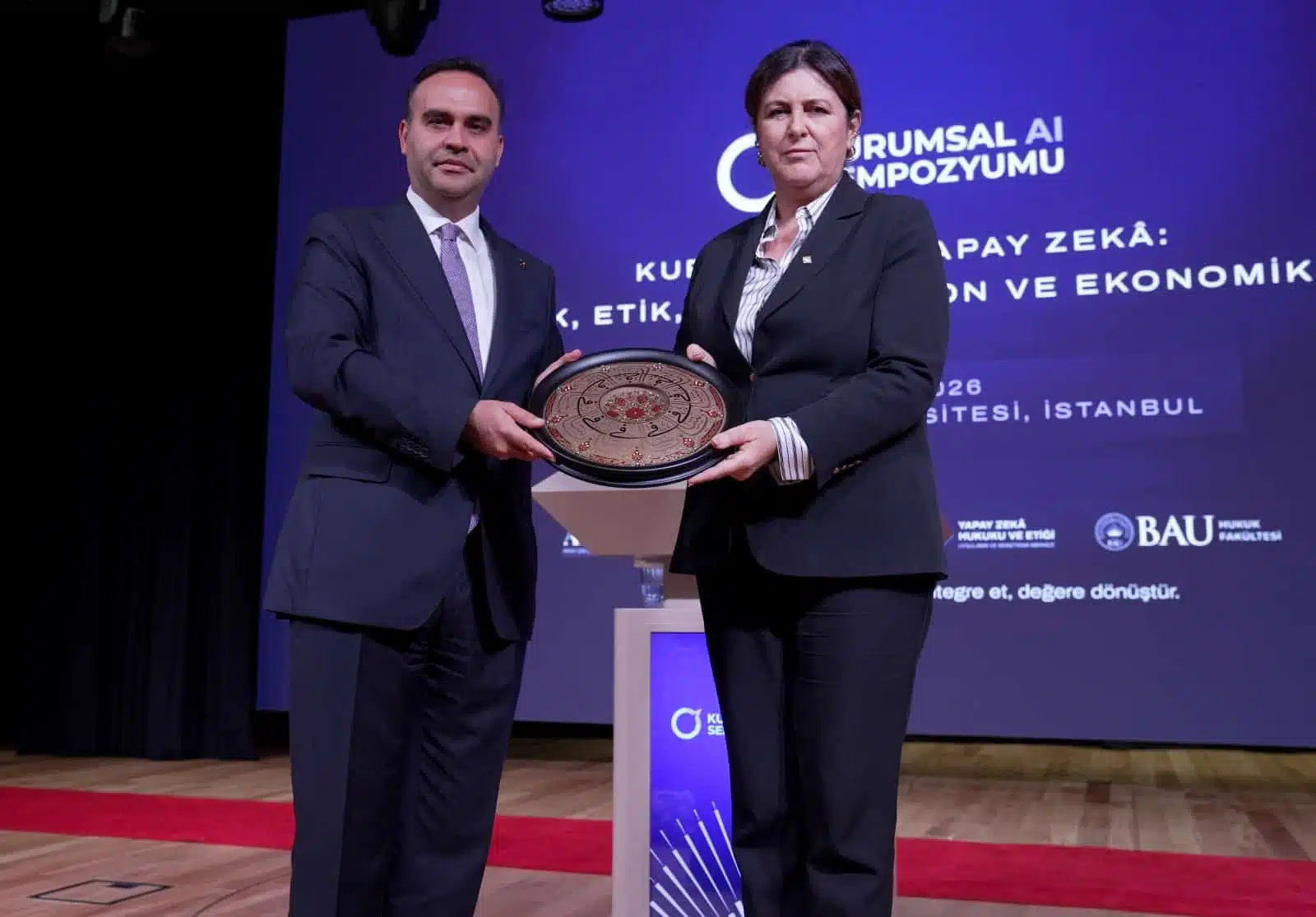
"WE WILL REACH 5 MILLION CITIZENS IN TWO YEARS"
Minister Kacır said: "Making artificial intelligence a leading force in our country's development is possible through close cooperation among ecosystem actors and by uniting around a shared vision and goals. With this understanding, we set out the roadmap for the coming period with the 2026-2030 Türkiye Artificial Intelligence Action Plan, which we prepared by taking into account the views and suggestions of experts from the public sector, the private sector and academia, as well as citizens from all walks of life. Within the scope of our plan, built on four main axes, 'Recognize, Benefit, Produce and Govern', we have identified 16 actions that will strengthen our artificial intelligence ecosystem and concrete targets for 2030. Through the AI Literacy Workshops we will establish in all 81 provinces, we will reach 5 million citizens in two years. We will train 10,000 advanced AI experts and 100,000 AI application professionals."
"WE WILL OPEN ACCESS TO AT LEAST 2,000 PUBLIC DATA SETS"
Minister Kacır said: "By opening access to at least 2,000 public data sets in various fields, from health to agriculture and from education to e-commerce, through the National Data Library, we will enable our researchers, entrepreneurs and companies to develop innovative solutions. In this period when AI models are growing and the need for computing power is increasing exponentially, we will also expand our digital infrastructure on the scale this transformation requires. Taking energy efficiency and international standards into account, we will raise the total installed capacity of our data centers to at least 1 gigawatt by 2030. We will mobilize at least 10 billion dollars in resources, led by the private sector, in data center, cloud computing and AI infrastructure."
"WE WILL ESTABLISH A NATIONAL ARTIFICIAL INTELLIGENCE ETHICS COMMITTEE"
Minister Kacır said: "Undoubtedly, no AI application that fails to earn the trust of its users and stakeholders can gain wide acceptance. That is why, in our action plan, we have treated trust as a common foundation that nourishes all the axes. As the public sector, in areas that directly affect our citizens' lives, such as health, education and employment, we will require that the potential impacts of systems be assessed before they are put into use. We will make human oversight and technical safety testing an integral part of these processes. The National Artificial Intelligence Ethics Committee we will establish will guide our developers and institutions, particularly on protecting privacy, preventing discrimination and ensuring the safety of our children. We will put common principles into concrete form with guidelines that work in practice."
"TECHNOLOGY HAS VALUE TO THE EXTENT THAT IT SERVES HUMANITY'S WELFARE"
Minister Kacır said: "We find the contribution of our legal professionals extremely valuable in building a digital future in which rights are protected, responsibilities are clearly defined and the way is paved for innovation. Our principle is clear: technology has value to the extent that it serves the welfare of humanity and protects human rights and dignity. Under the leadership of our President, as a country that defends justice and compassion on every platform and increases its ambitions in science and technology every day with the National Technology Move, we will ensure that Türkiye makes the most of the economic value and multifaceted opportunities offered by the AI revolution. I believe that the 'AI in Institutions: Security, Integration and Economic Value Summit' will also pave the way for new ideas, strong collaborations and work that will add value to our country."
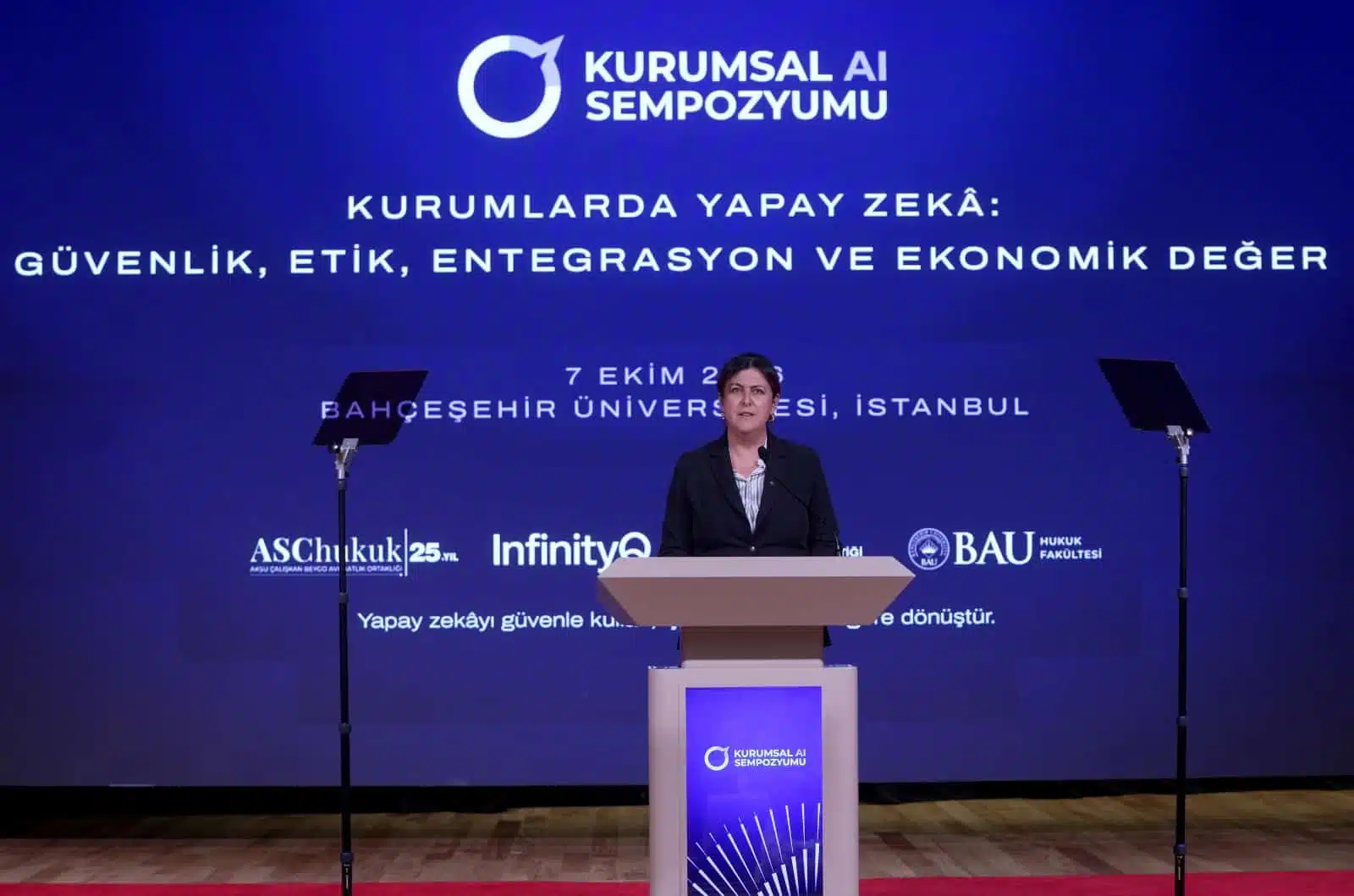
PROF. DR. HATİPOĞLU: WE SEE IT AS AN AREA OF STRATEGIC TRANSFORMATION
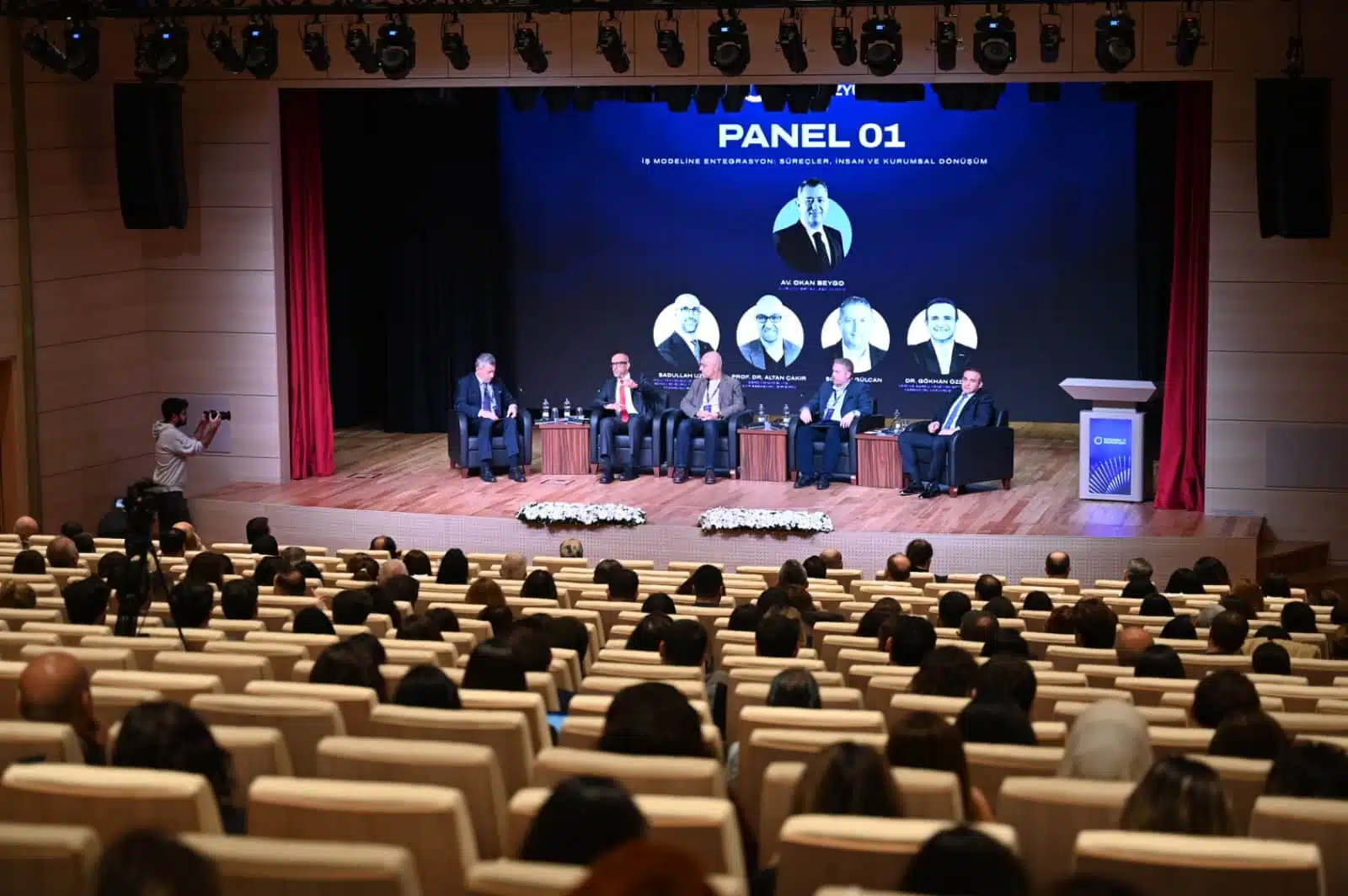
Bahçeşehir University President Prof. Dr. Esra Hatipoğlu said: "Beyond being a technological innovation, we see digital artificial intelligence as an area of strategic transformation that requires institutions to rethink the way they make decisions, their capacity to produce and their approach to preparing for the future. We designed our Corporate AI Symposium with exactly this understanding. Therefore, the main dynamic of today's symposium goes far beyond whether artificial intelligence will have a place in our institutions. The key question we focus on is how we will manage this technology with an approach that puts people at the center, preserves trust and creates real value. In the four panels we will hold throughout the day, we will address different dimensions of artificial intelligence, from its integration into internal processes to its use in security, and from data and legal liability to its economic value. In this way, we will have the opportunity to evaluate artificial intelligence not under a single technology heading, but from a perspective concerning the holistic transformation of institutions."
PROF. DR. GÖKYAYLA: WE INCLUDED THE "ARTIFICIAL INTELLIGENCE LAW" COURSE IN THE CURRICULUM
Dean of the Bahçeşehir University Faculty of Law Prof. Dr. Kadir Emre Gökyayla said: "About seven years ago, at our Faculty of Law, we included artificial intelligence in the curriculum for the first time as an 'Artificial Intelligence Law' course. Did we have doubts at first about how its content would be shaped? We did, but we did not give up, and we have come a long way. About a year ago, with the very strong support of the Office of the President, we established the Artificial Intelligence Law and Ethics Application and Research Center. Among all the research centers I have witnessed so far, I have never seen one come to the fore so prominently within a single year. In the last month alone, we have organized or been invited to symposiums and events related to three different sectors. Each of them was in a different field: one in the defense industry, one in the publishing sector and one concerning the impact on corporate regulations."
AKSU: I DO NOT BELIEVE ARTIFICIAL INTELLIGENCE WILL REPLACE HUMANS
ASC Law Founding Partner Dr. Att. Murat Aksu said: "Of course, it is very valuable to look back on what we have achieved on this quarter-century journey. However, on the occasion of our 25th year, we wanted not only to celebrate our past but also to discuss what will change the business world and the legal world over the next 25 years. The idea of a national artificial intelligence framework was born from this thought. Today, when we talk about artificial intelligence, we see two extreme approaches. On one side is the expectation that it will solve almost every problem; on the other, the concern that it will replace people and employees. Personally, I do not place much faith in the second view. Nor do I believe that artificial intelligence can replace humans. Because what makes us human is not only the capacity to process information, but also judgment, experience, conscience, responsibility, intuition and the relationship of trust built between people. Especially in our profession, we cannot think of any of these independently of technology, but neither can we hand them over to technology."