





 TR
The Hidden Cause of Spinal Pain: "It Can Lead to Leg Length Discrepancy and Scoliosis"
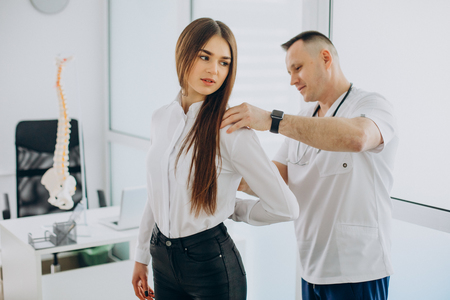
Stating that working from home has led to the loss of proper sitting habits and that people also engage in unhealthy behaviors such as working while lying down, Specialist Physiotherapist Mirsad Alkan said that this causes neglected sacroiliac joint pain: "Sacroiliac joint pain leads to postural disorders over time. If neglected and left untreated, it disrupts the biomechanics of the hip joint and spine, causing various problems ranging from leg length discrepancy to the development of scoliosis."
While working from home has been widespread during the pandemic, working in the same position for long periods also causes serious damage to the musculoskeletal system. Experts warn that sacroiliac joint pain, which is little known among the public, damages the skeletal structure in later years, from leg length discrepancy to postural disorders. Making important statements on the subject, Bahçeşehir University (BAU) Physiotherapy Program Lecturer and Specialist Physiotherapist Mirsad Alkan underlines that sacroiliac joint pain should not be neglected. Alkan said: "Spinal involvement can cause many problems such as herniation, disc diseases, deformation of the vertebrae, muscle spasms, trigger points and taut bands, and can also cause spinal deformities (scoliosis)."
Working While Lying Down Is Dangerous
Providing information about sacroiliac joint pain, Specialist Physiotherapist Mirsad Alkan said: "One of the most important components of maintaining spinal health is protecting the sacrum (a large, triangular bone at the base of the spine), commonly known as the tailbone. Angular changes in the sacroiliac joint, which the sacrum forms with the pelvis, can cause many health problems, pain in particular. This condition is defined as sacroiliac joint dysfunction. The sacroiliac joint comes under pressure, especially in positions such as slouching forward while sitting or working while lying down, and the natural angle of the sacrum is disrupted, causing serious biomechanical problems and complaints of mechanical pain. This complaint, which was quite common even before the pandemic, has increased further under pandemic conditions due to long hours of work in non-ergonomic home environments and a decline in physical activity levels. The risk is thought to have increased during the work-from-home period through the use of non-ergonomic equipment and incorrect sitting positions. The same applies not only to work activities such as sitting on overly soft or overly hard surfaces, slouching forward and working while lying down, but also to leisure activities in which a fixed position is held for long periods, such as watching films and playing games."
"It causes faulty posture and even limping"
Stating that a change in the position of the sacrum affects other joints over time, Physiotherapist Mirsad Alkan said that the spine and hip joints play a key role here. Alkan said: "Over time, faulty postural habits turn the balanced strength of the muscles into an imbalance, and as a result of the pain caused by reduced muscle strength, patients resort to faulty movement behaviors such as antalgic posture and antalgic gait, which means moving in a way that minimizes pain. Antalgic position choices are sometimes made by the body without the patient being aware of it, and they make existing mechanical disorders chronic. In such a case, as muscle strength support decreases considerably, it causes disorders affecting the entire leg starting from the hip, such as limping, circumduction gait and hopping."
It Causes Herniation, Bone Deformities and Leg Length Discrepancy
Stating that spinal involvement invites many serious diseases, Mirsad Alkan said: "This condition can cause many problems such as herniation, disc diseases, deformation of the vertebrae, muscle spasms, trigger points and taut bands, and can also cause spinal deformities (scoliosis). Although scoliosis initially appears as functional scoliosis due to muscle imbalance, if left untreated, the bone structures adapt to this condition over time and it can become structural scoliosis, making treatment more difficult. Even without spinal involvement, functional scoliosis can develop as a result of apparent leg length discrepancy in some hip conditions. Adolescents in particular, who grow considerably taller in a short time, need to be more careful in this regard, and if possible, it is recommended that they be monitored for risk at health institutions at regular intervals."
"Uncontrolled Use of Painkillers Is Dangerous"
Underlining that well-planned exercise programs covering all affected structures play a critical role in properly correcting muscle strength imbalances during treatment, Specialist Physiotherapist Mirsad Alkan provided information about the treatment process. Alkan said: "In the treatment of this condition, single-session treatments make daily life easier with the temporary relief they provide, but in the long run they turn the problem into a chronic disease. It is a very common and wrong behavior for patients who think they have recovered after single-session treatments to turn to painkillers instead of applying to health institutions to relieve the pain that emerges later. Changes in people's pain threshold resulting from improper use of painkillers may result in chronic pain complaints in the long term. Therefore, medication must always be used at the dose recommended by a physician, and for a definitive solution, treatment should continue with manual therapy and exercise programs spread over time and planned by specialist physiotherapists."











