

 TR
TR
BAU Launches the Center for Computational Drug Design (HİTMER)
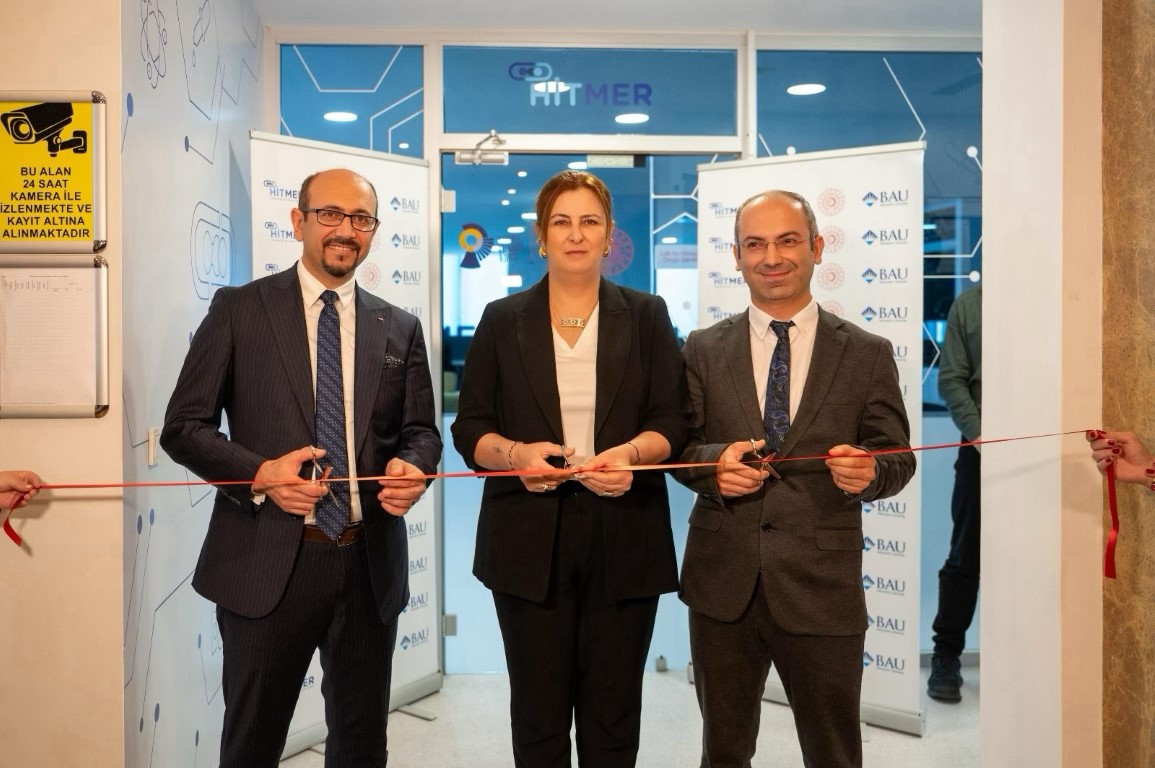
Bahçeşehir University (BAU) has opened the Center for Computational Drug Design (HİTMER), where drug design and development processes will be carried out using artificial intelligence.
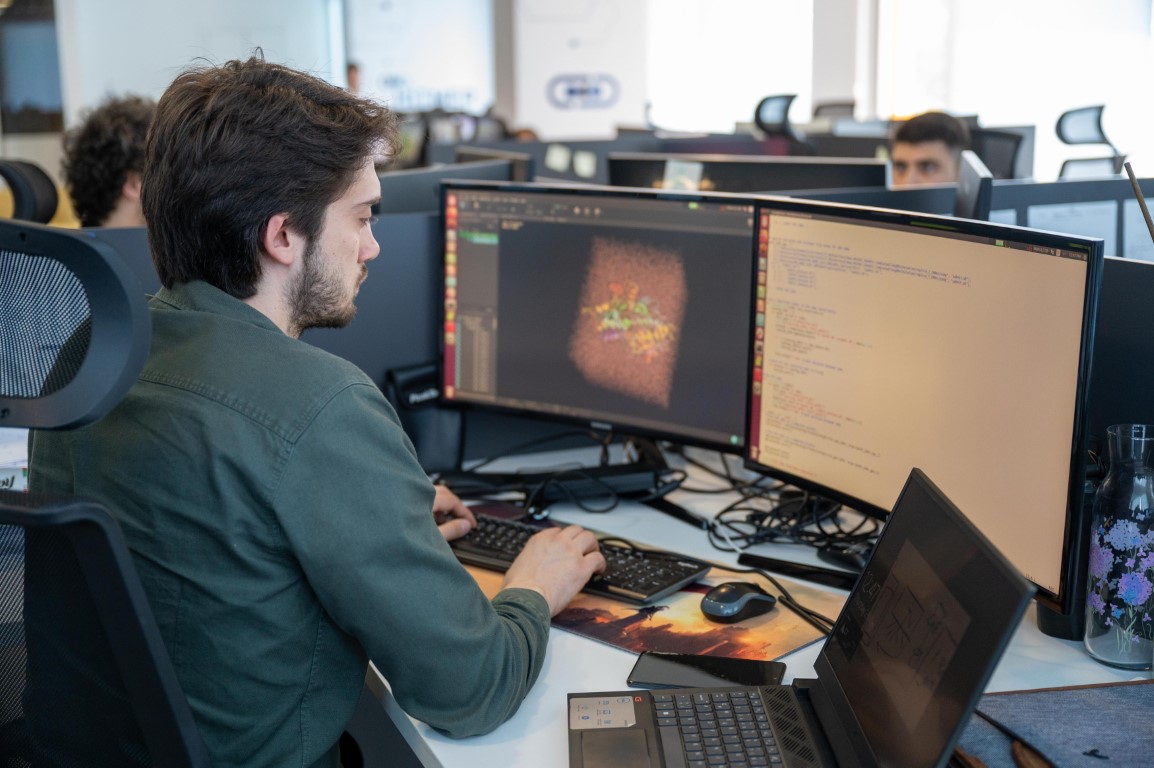
Bahçeşehir University (BAU) has opened the Center for Computational Drug Design (HİTMER) with the aim of increasing pharmaceutical R&D activities in Türkiye and strengthening the country’s position in the field at an international level. HİTMER will use artificial intelligence throughout all stages of drug design and development for the treatment of diseases. Students working in the field will also have the opportunity to gain specialized expertise at the center.
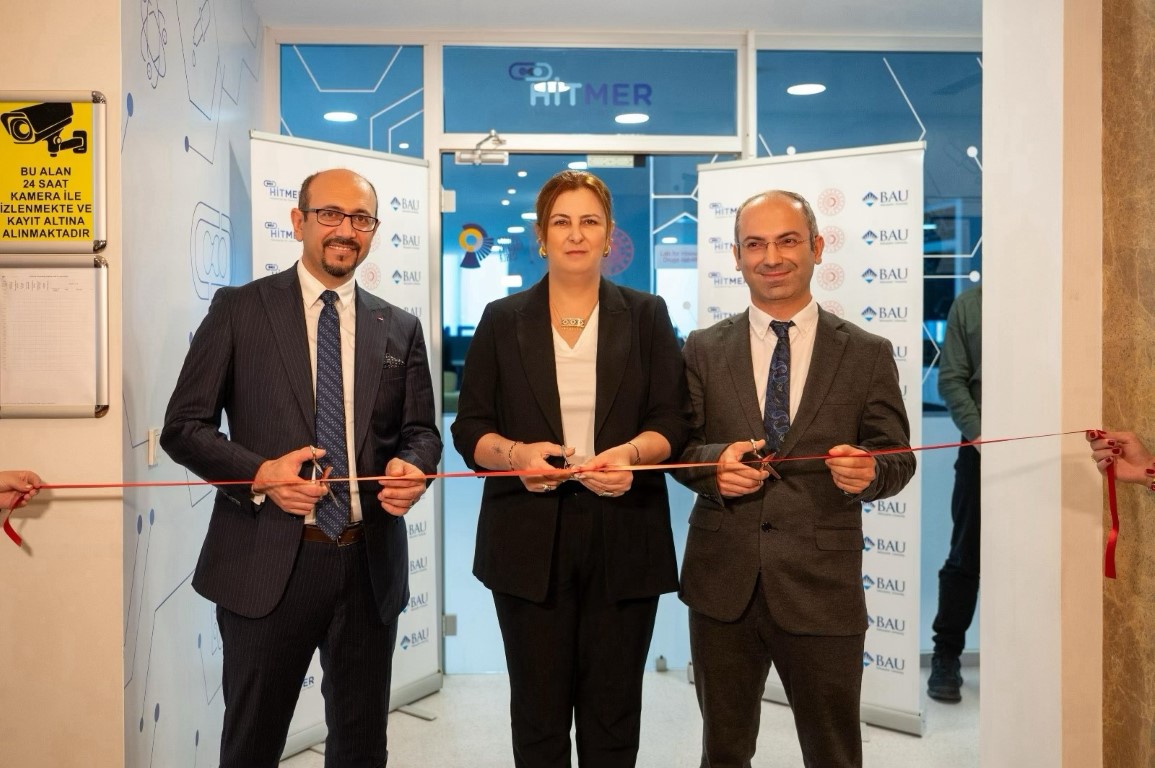
The opening ceremony of HİTMER, established at BAU’s Göztepe Campus, was attended by BAU Rector Prof. Dr. Esra Hatipoğlu; Dean of the BAU Faculty of Pharmacy and Director of HİTMER Prof. Dr. Serdar Durdağı; Head of the Department of Medical Biology at the BAU Faculty of Medicine Assoc. Prof. Dr. Timuçin Avşar; faculty members; and students.
Prof. Dr. Serdar Durdağı, Dean of the BAU Faculty of Pharmacy and Director of HİTMER, said: "Today, we are opening the Center for Computational Drug Design, or HİTMER for short, within Bahçeşehir University. What will be done at the Center for Computational Drug Design? It is an artificial intelligence-focused center that has already been developing at our university in recent years. At this center, we plan to use a wide range of artificial intelligence approaches and tools to develop new medicines, particularly medicines for the diseases of the future. Our main objective is to contribute to accelerating these processes through artificial intelligence and to develop medicines at this center that will help patients recover."
"There is no other center of its kind in Türkiye"
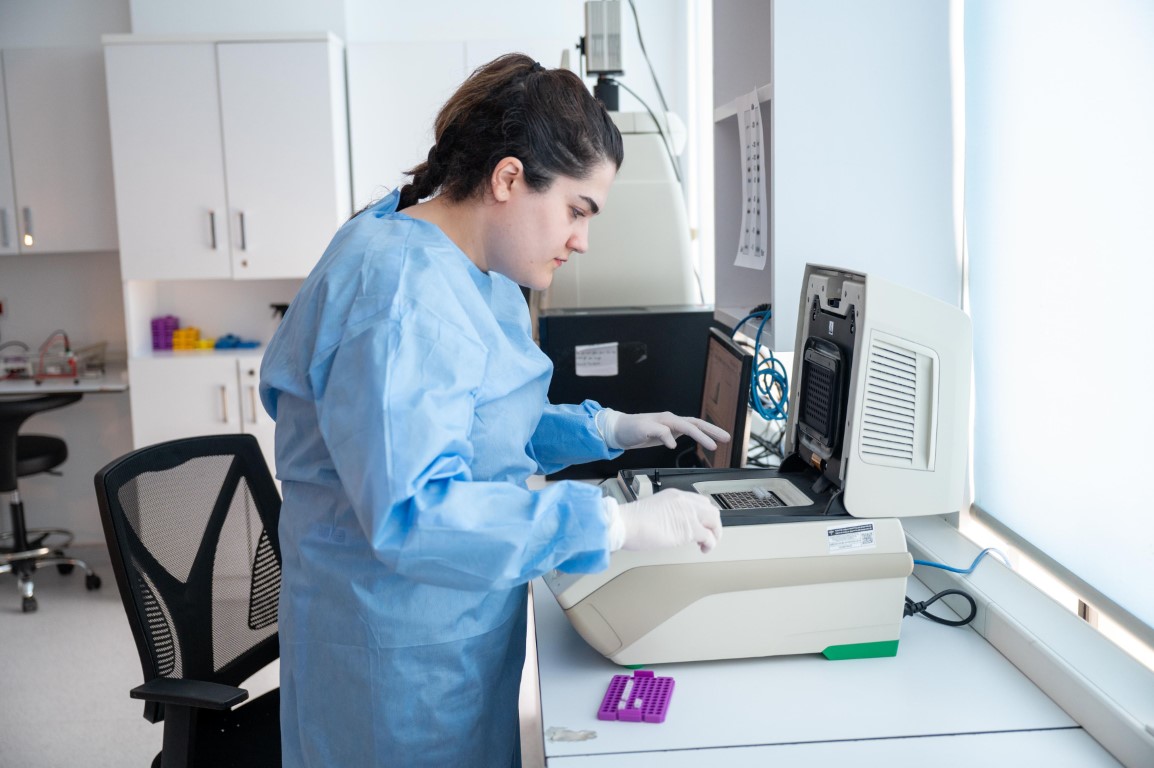
Prof. Dr. Serdar Durdağı said: "There is no other center of its kind; this is being done for the first time. It was opened in Türkiye with the support of the Istanbul Development Agency and our university. We received funding to establish this center in 2021, and we are now opening it. There are similar laboratories in our country, but this is the first time an artificial intelligence-focused drug development facility has been established as a dedicated center. Master’s students, doctoral students and postdoctoral researchers work at our center as specialists and assistant specialists. The center was planned and designed across an area of approximately 300 square meters, allowing 20 researchers to work simultaneously, particularly in fields where artificial intelligence will be used. In total, we will train approximately 40 students at this center."